


Atlantic Mills Sold
GoLocalProv Business Team
Atlantic Mills Sold
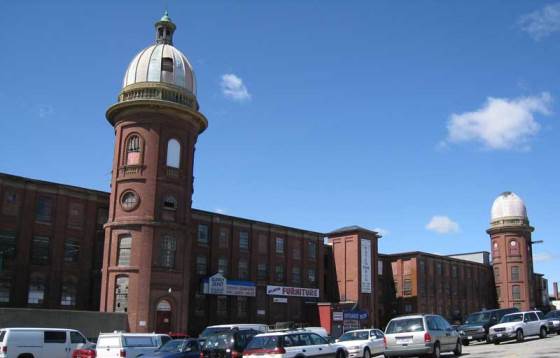
The historic Atlantic Delaine Mills in Olneyville has sold.
The structure is over 350,000 square feet and is an architectural marvel.
GET THE LATEST BREAKING NEWS HERE -- SIGN UP FOR GOLOCAL FREE DAILY EBLASTThe announcement was made by Bob Berle of NAI Advisors.
The complex was built between 1870 and 1879 and “by the late 1880s, its production of worsted and cotton-wrap fabric was the largest in Providence, employing over 2000 workers.”
The mill building has been owned by the Howard and Eleanor Brynes LLC since the 1950s.
Tenants in the building have organized and established a union. It is unknown how the union and the new ownership will resolve outstanding issues.
Berle did not respond to questions about the final sale price.
The History:
Industrial Sites and Commercial Buildings Survey (ICBS)” by PPS and RIHPHC, 2001-2002
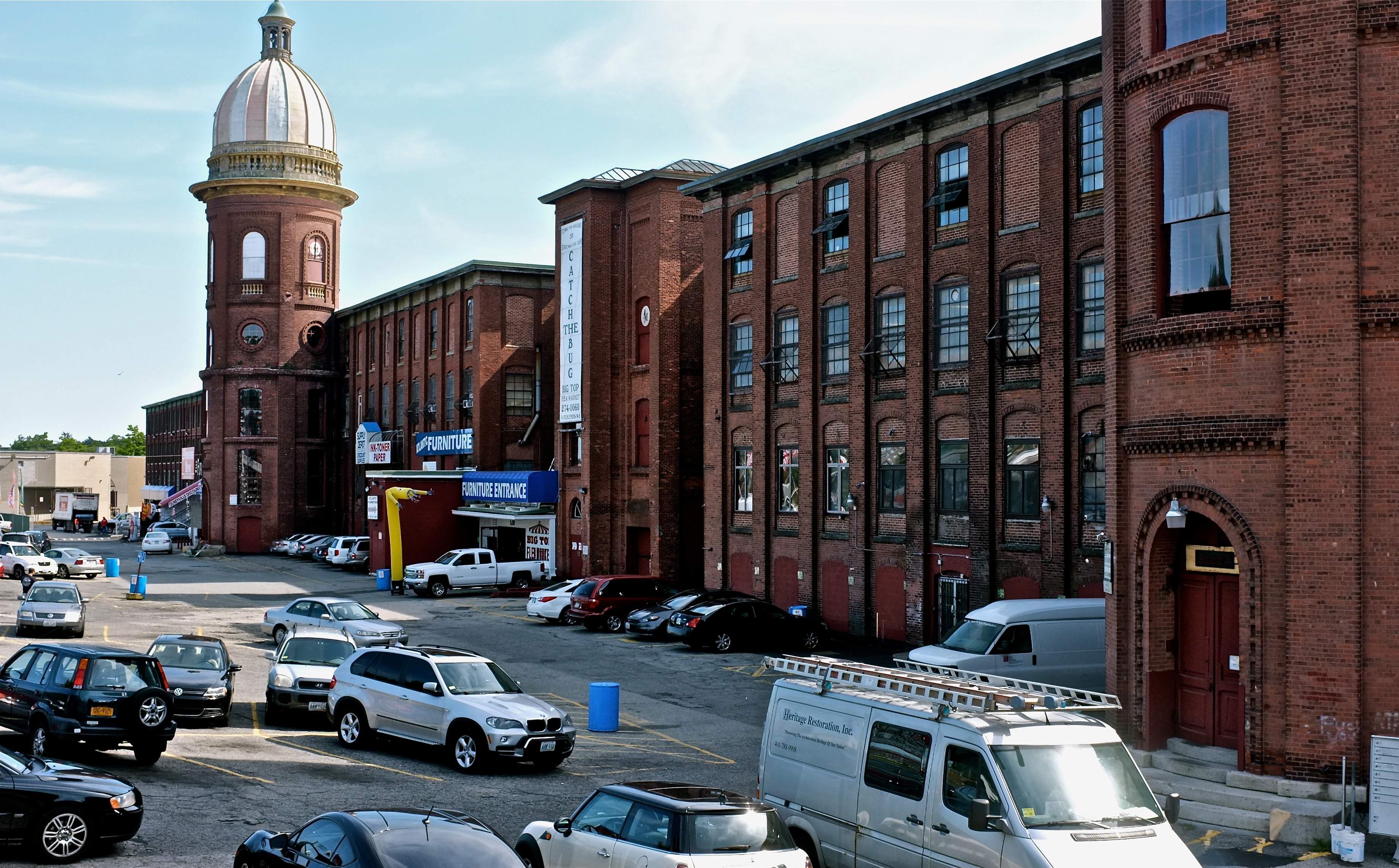
Atlantic Mills is a complex of buildings fronting on Manton Avenue with the Woonasquatucket River, its original power source, running behind the complex. The main building (120 Manton Avenue; 1871 and 1882) is a three-and-one-half-story, brick building notable for its two domed towers and granite balustrades; one cupola survives. Other buildings include a four-story brick mill (1871), a three-story brick mill (1893) designed by F.P. Sheldon, and a four-story brick mill (1899). The Woonasquatucket River passes through the complex with at least three small bridge crossings of steel beam construction.
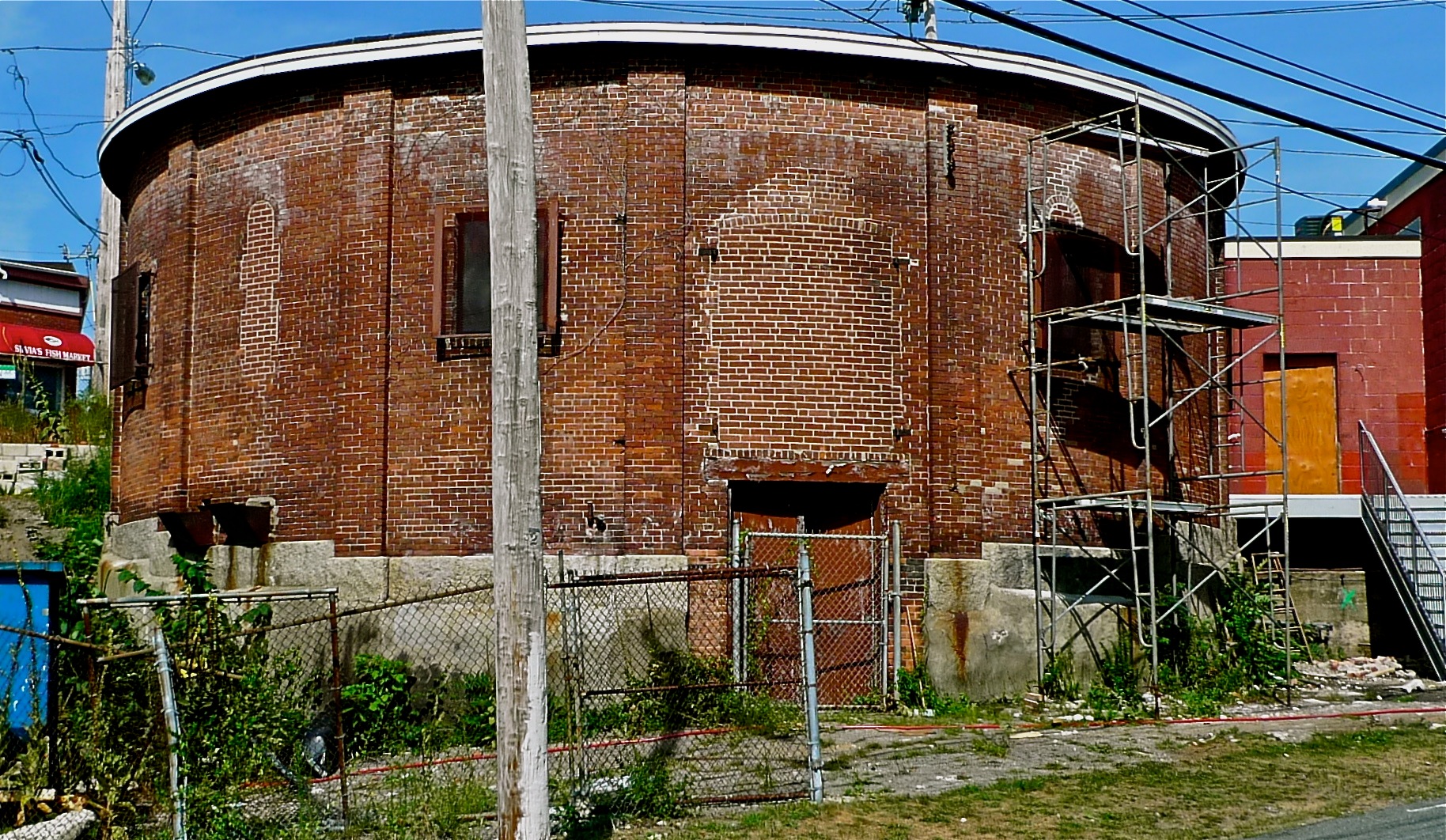
25 Aleppo Street stands a gasometer and storehouse associated with Atlantic Mills. The 50’ diameter brick structure was constructed in 1852 and connects to a mid-twentieth century, one-story brick and cinderblock building fronting on Manton Avenue. Originally used as a gasholder by Providence Gas Company (see separate entries) in a process of releasing flammable gas from the heating of coal in a retort, the structure was later used as storage for Atlantic Mills. Gasworks were commonly associated with large-scale textile mills of the nineteenth century. The structure was built at the same time as the earliest of the Atlantic Mill buildings across Aleppo Street. This facility is one of three surviving gas plants in the city of Providence (others are located in Elmwood and the Wanskuck Historic District). Further down Aleppo Street (plat 63, lot 441) is a one-story, hip-roof, brick building with corbelling below a wood cornice. This building was part of the gas manufacturing plant and, along with the gasometer, was part of the Atlantic Delaine complex across the street.
The original Atlantic Delaine factory was located near the junction of Hartford, Plainfield, and Manton streets. The company was founded in 1851 by General C.T. James to manufacture delaine — a wool muslin, which was one of the earliest mass produced worsteds. In 1863 the company commissioned architect Clifton A. Hall to design a new mill. What was built was a three-story, brick, pier-and-spandrel style mill on Manton Avenue. It had an unusual round-domed tower that was topped by a glass lantern. This mill had its own gasometer, as the company chartered its own gas company, and built the complete works to supply light for its mills. The worsted mill contained rooms for worsted, spinning, spoiling, warping, and dressing. It also had a water tank on the roof and fireproof vaults in the basement to store wool and other goods.
The company went bankrupt in the Panic of 1873 and the buildings were eventually sold at auction and incorporated as Atlantic Mills by the new owners.
In 1882, a new mill was erected next to the 1863 building, and was almost identical (including the domed tower).
Over time, other buildings were added to the complex, including a four-story brick mill for dyeing and finishing, a three-story worsted mill, a brick office building, and another four-story brick mill. This last building had segmental arch windows, granite sills, and a slightly pitched roof.
By the late 1880s, the company was known for its worsted and cotton-wrap fabrics. The Atlantic Mills operation was the largest in Providence, employing over 2000 workers and its impressive mill complex was a noted Olneyville landmark. The company expanded into khaki manufacturing at the turn of the twentieth century (which proved successful since the government used khaki to manufacture uniforms). Atlantic Mills was bought out by the A.D. Julliard Company in 1904, who continued to run it for nearly fifty years until it, like many New England textile companies, went out of business (Woodward 1986; RIHPHC 1981; Kulik 1978).