


Cicilline to Lead Bipartisan Effort to Preserve Over $28 Million for Special Olympics
GoLocalProv Political Team
Cicilline to Lead Bipartisan Effort to Preserve Over $28 Million for Special Olympics
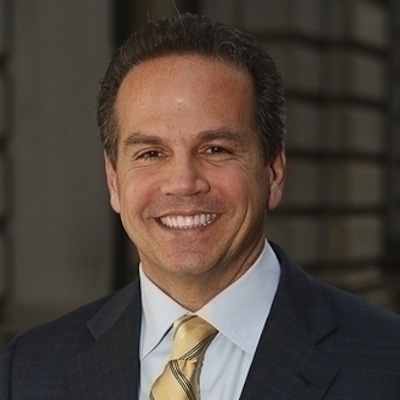
This comes a day after Education Secretary Betsy DeVos proposed to cut nearly $18 million in funding for the games.
“For nearly 50 years, Special Olympics has helped to remove the stigma and discrimination faced by individuals with intellectual disabilities. Today, more than 4.5 million athletes compete in Special Olympics throughout the world. However, many Americans with intellectual disabilities continue to face significant challenges. Many continue to face restricted access to health services, are three times more likely to face bullying, and often feel isolated socially due to their disabilities. That is why federal support of organizations like Special Olympics is so critical,” wrote Cicilline in a letter that will be sent on Thursday.
GET THE LATEST BREAKING NEWS HERE -- SIGN UP FOR GOLOCAL FREE DAILY EBLASTCicilline's office did not have signatories on the letter at the time of press release.
Read Cicilline’s Letter Below
Special Olympics RI Success
In Rhode Island, the Special Olympics has seen major success.
As GoLocalProv reported, the Rhode Island delegation returned home from the games in Abu Dhabi with gold medals earlier this week.
Scott Davis and Adam Johnson competed in unified bowling and Casie Rhodes served as Head Sports Manager for basketball, table tennis, and volleyball.
GoLocalProv interviewed them before they left for the games.
Cicilline’s Letter
March 28, 2019
The Honorable Rosa DeLauro
Chairwoman
Subcommittee on Labor, Health, and Human Services, Education and Related Agencies
House Committee on Appropriations
The Honorable Tom Cole
Ranking Member
Subcommittee on Labor, Health, and Human Services, Education and Related Agencies
House Committee on Appropriations
Dear Chairwoman DeLauro and Ranking Member Cole:
As you begin consideration of the Fiscal Year 2020 Labor, Health and Human Services, Education, and Related Agencies Appropriations bill, we ask that you support critical funding to provide opportunities for individuals with intellectual disabilities. Specifically, we ask that you please support funding of $17.6 million to provide youth with intellectual disabilities opportunities to participate in sports and education activities, and $10.5 million for the Special Olympics Health Program, as authorized under the Special Olympics Sport and Empowerment Act of 2004.
Founded by the late Eunice Kennedy Shriver in 1968, Special Olympics has been dedicated to developing the talents of adults and children with intellectual disabilities through athletic competition. For nearly 50 years, Special Olympics has helped to remove the stigma and discrimination faced by individuals with intellectual disabilities. Today, more than 4.5 million athletes compete in Special Olympics throughout the world.
However, many Americans with intellectual disabilities continue to face significant challenges. Many continue to face restricted access to health services, are three times more likely to face bullying, and often feel isolated socially due to their disabilities. That is why federal support of organizations like Special Olympics is so critical.
Federal funding for the Special Olympics Health Program has helped develop the Special Olympics Healthy Athletes initiative which assists competing athletes with obtaining medical examinations, and referrals in critical areas of medicine, including physical therapy, vision, dentistry, and sports physical exams. The Healthy Athletes initiative serves as model for the success of public-private partnership programs. Additionally, athletic and other opportunities through the Department of Education have helped provide quality programs designed to create a more open and welcoming environment for students with disabilities. Through initiatives like the Young Athletes program, Spread the Word to End the Word Day, and Special Olympics Unified Sports, students have widely reported more inclusive environments and a stronger learning experience.
We thank you for your support of these critical programs for individuals with intellectual disabilities, and for your continued leadership on the Labor, Health and Human Services, Education, and Related Agencies Subcommittee
.
PHOTOS: Inauguration Day - January 1, 2019


