


East Side Tunnel to Reopen - 30% Over Budget, Dozens of Change Orders
GoLocalProv News Team
East Side Tunnel to Reopen - 30% Over Budget, Dozens of Change Orders
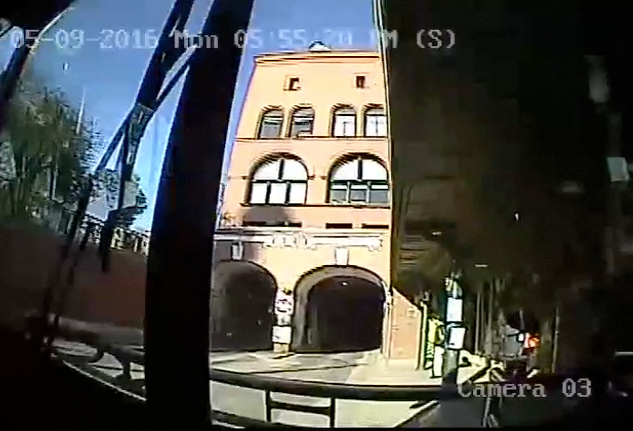
The tunnel was built in 1914 as a trolley tunnel connecting the East Side of Providence and the business and retail center downtown.
The repairs to the tunnel were budgeted at $19.2 million and were scheduled to be completed and reopened in mid-September.
GET THE LATEST BREAKING NEWS HERE -- SIGN UP FOR GOLOCAL FREE DAILY EBLAST
Costs 30% Over Budget
Now, the budget has ballooned to $25 million — a 30% increase. The reopening is a month and a half late.
GoLocal secured copies of dozens of change orders issued by RIPTA, primarily to the lead contractor, Bentley Companies, a Warwick-based contractor.
RIPTA board chairman is Rhode Island Department of Transportation Director Peter Alviti.
Alviti became chair of the RIPTA board after special legislation was pushed to make the RIDOT director the chair of the RIPTA board.
According to RIPTA, “the reason for the increase can be mainly attributed to the discovery of over 20,000 linear feet of leak repair that we did not know existed, likely caused by water seeping through cold joints and non-structural cracks.”
On Wednesday, a press conference with federal, state, and local officials is scheduled for 11 AM.
U.S. Senator Jack Reed, U.S. Representative Gabe Amo, House Speaker K. Joseph Shekarchi, and Providence Mayor Brett Smiley are scheduled to attend.
"We are happy to reopen the East Side Tunnel to our riders after months of hard work and careful restoration,” said Christopher Durand, interim Chief Executive Officer. “We greatly appreciate our riders’ patience during construction and are excited to welcome passengers back to this historic transit corridor.”
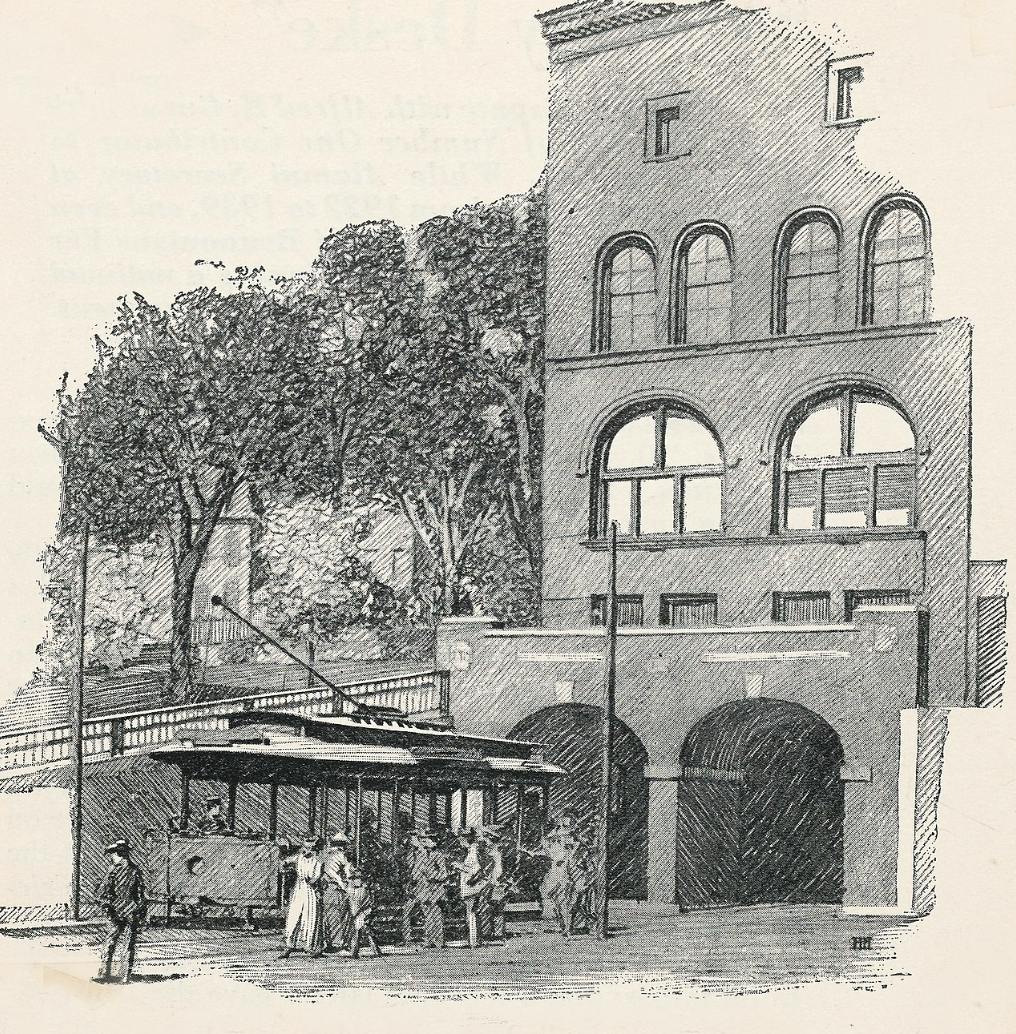
According to the report Historic and Architectural Resources of the East Side of Providence:
Construction of the East Side Trolley Tunnel between 1912 and 1914 culminated a series of plans for improving access to the East Side. Beginning in the 1890s, several proposals were made for an easy-grade approach to the area, either as a free-standing viaduct or as a road laid out obliquely across the slope of College Hill. City commissions were created to study the problem in 1904 and 1910.
The earlier one recommended the construction of a tunnel, designed by C. R. Makepeace; the latter proposed a scheme, devised by John R. Freeman, to built a ramp leading to a street cut through the brow of the hill. The tunnel approach was approved at a public hearing in 1911, and plans were subsequently prepared by City Engineer Otis F. Clapp. After initial resistance, the Rhode Island Company, operators of the metropolitan Providence trolley system, agreed to build the tunnel for public-transit use, in return for an exclusive twenty-year franchise to operate on city streets. The easy grade of the tunnel from North Main to Thayer Street permitted electric cars to travel directly from Downtown to the East Side without reliance on the cumbersome counterweight system to haul the cars up College Hill.
By the time these improvements were made, however, they were nearly obsolete. Between 1926 and 1936, ridership of trolleys in the metropolitan area declined over thirty percent, and by 1940, only half of the trackage was still in use. The key to development lay in the increasing use of the automobile as the primary means of transportation. Still a novelty on city streets in 1900, by 1910, the automobile had already done much to stimulate suburban growth, both in neighboring communities and on the outer edges of the city itself.
College Hill was no obstacle to motor vehicles, and the new accessability fostered the East Side's residential development. The auto also had an impact on the scale of building by encouraging the layout of wider streets and larger house lots in newer parts of the neighborhood.