Our Environment: "Defying Gangs for Urban Beauty" By Scott Turner
Scott Turner, Environmental Columnist
Our Environment: "Defying Gangs for Urban Beauty" By Scott Turner
Back then, relatively few folks visited the NYBG to stroll the grounds and greenhouses, as much as they did to find mugging targets or items to steal.
In my 20s, during the 1980s, I lived just three blocks from the NYBG, which I typically accessed via a tunnel under the commuter rail line. That passageway was dark, damp and dangerous. When news spread of an assault within that tunnel, I walked the extra block or two to reach the flowers and plants in a decade where a deserted NYBG looked like hardly anyone knew it was there.
GET THE LATEST BREAKING NEWS HERE -- SIGN UP FOR GOLOCAL FREE DAILY EBLASTThe tunnel is no longer open, and as far as I can tell, no deathtraps exist to reach one of the most bucolic landscapes of New York City. So, when Karen and I looked to escape to somewhere warm, humid and colorful in mid-February, we drove the 170 miles to visit the NYBG.
When you haven’t been to a place in 35 years, you tend to think of it as you last saw it: empty and somewhat sinister. But that’s not what we found.
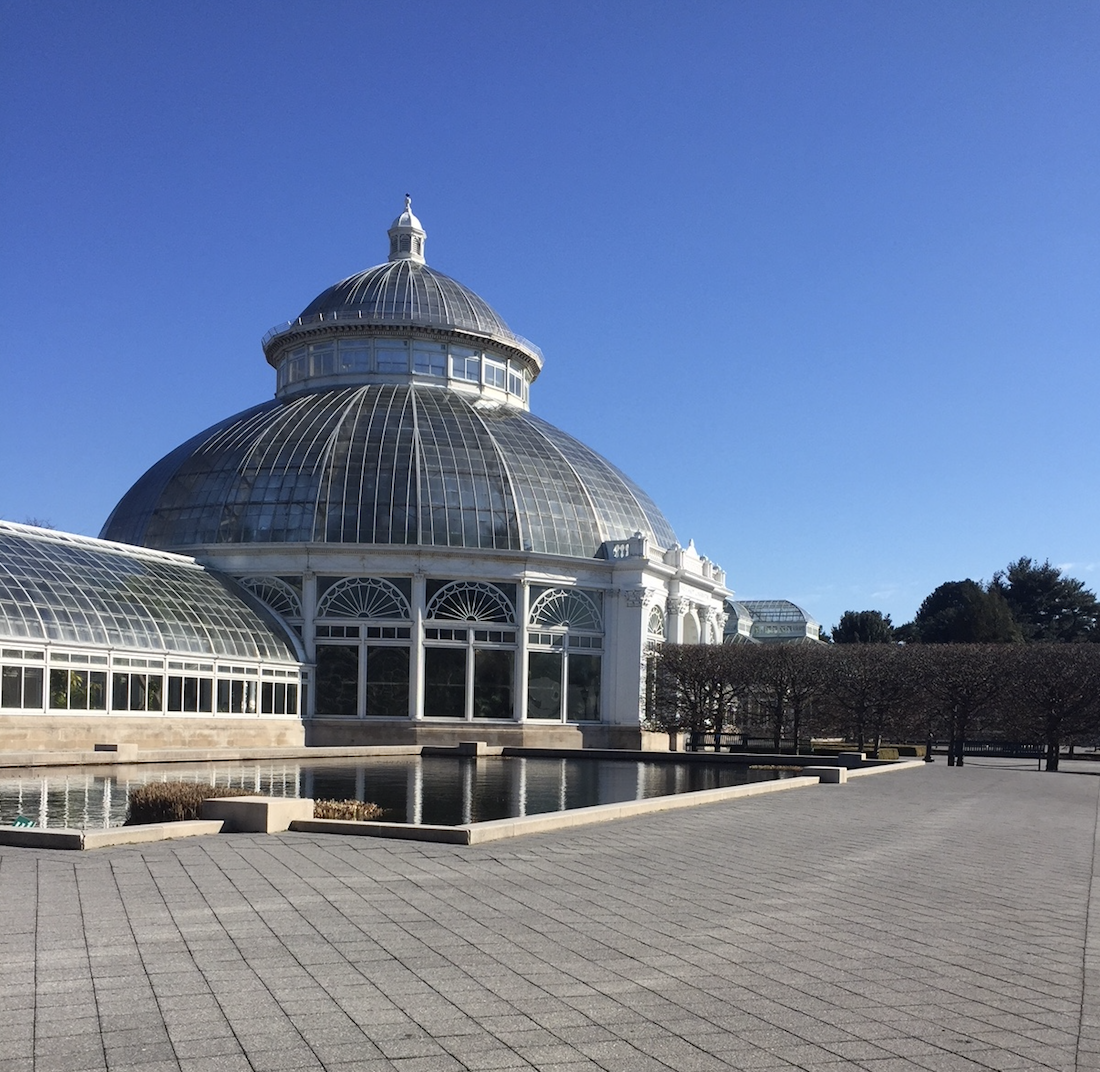
In the bright sun on a chilly, cloudless day, we encountered a revitalized and lively National Historic Landmark full of other visitors, and rich with spiffy facilities that I didn’t recall such as the Levy Visitor Center, Pine Tree Café, and Discovery Center.
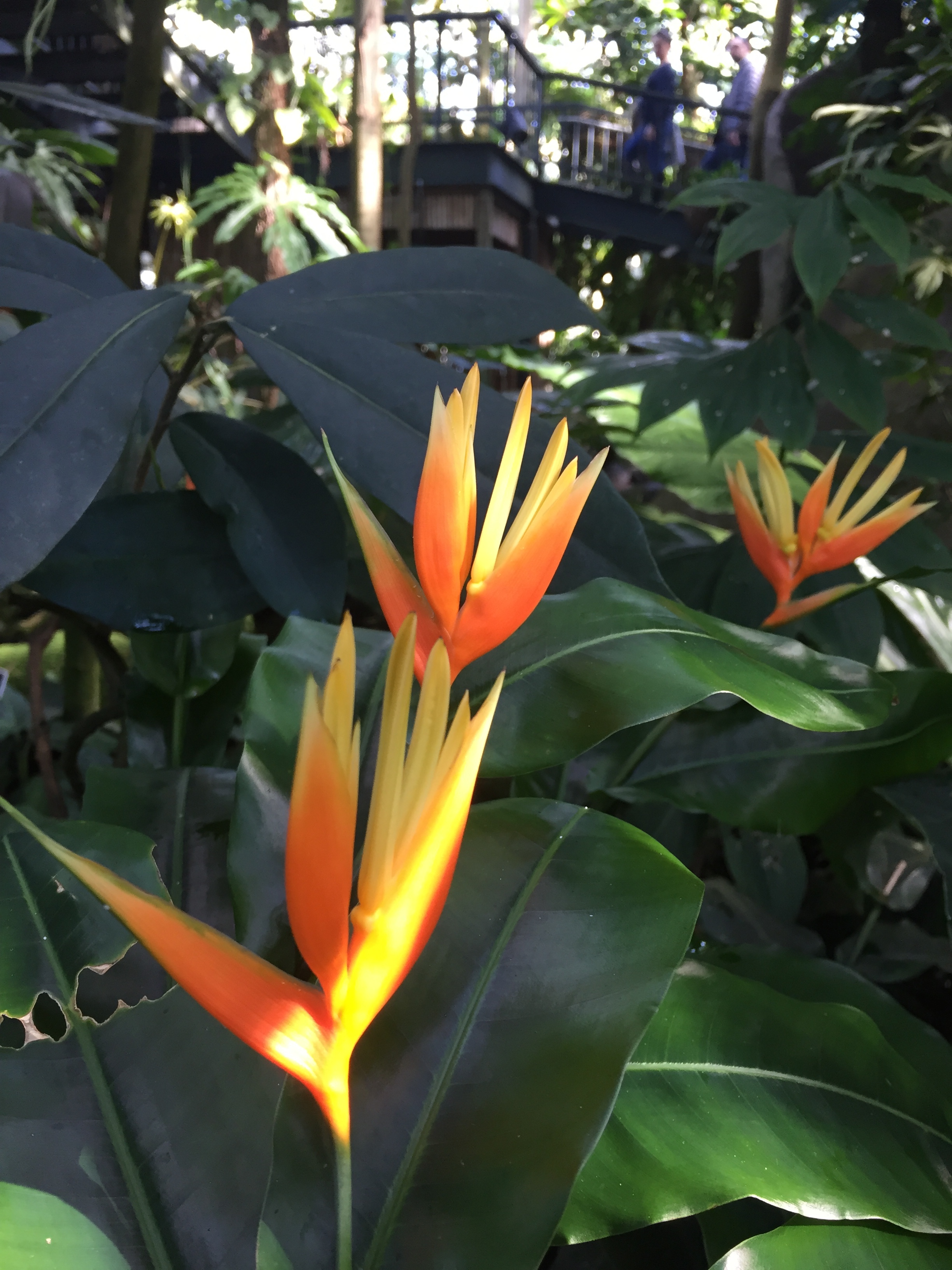
The houses were moist, green and fragrant with a smell of spring and summer. Orchids provided bursts of color. Fruits, such as cacao, offered bounty at which to marvel.
The textures, shapes, sizes, light and spaces, led me to want to touch everything. However, there was no touching the cycads, ferns and other plants, according to the rules.
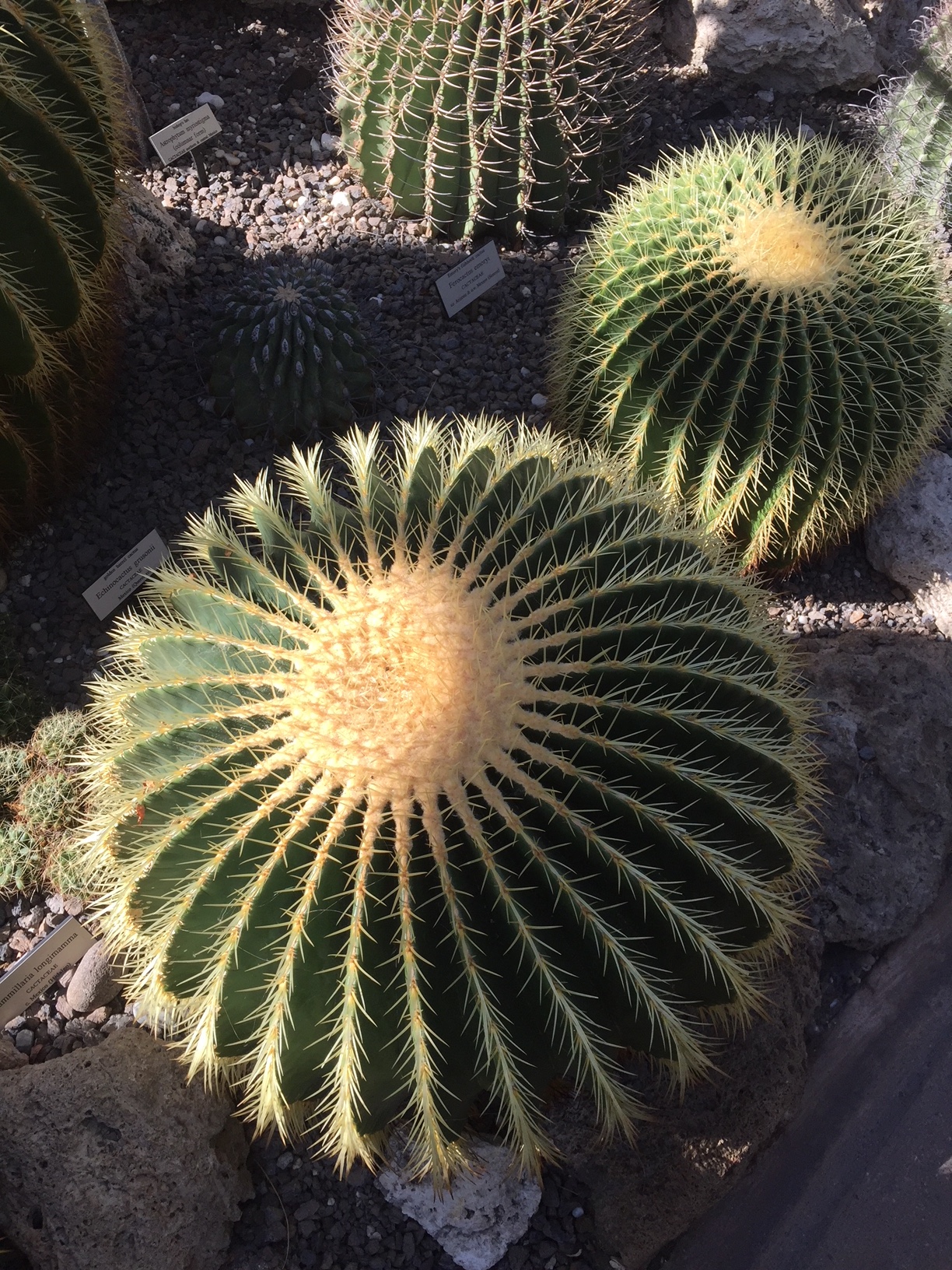
Just as stunning as the clammy tropical houses were those of bright sun and dry sand that accommodated desert plants. Here, you didn’t want to handle the vegetation. Much of it, such as the sharp teeth of agave or the needle-like spines of saguaro, were better off observed than touched.
Even in winter, the NYBG grounds looked picture-postcard perfect, such as the conifer arboretum and its evergreens of unusual trunks, branching patterns and foliage, which we strolled through on our way to the Steere Herbarium on the second floor of the Mertz Library and Art Gallery.
Steere Herbarium contains some 7.8 million specimens, making it the second-largest herbarium in the world, notes the NYBG.
On display for us to touch and learn about were dozens of “pressed” plants from around the world. One exhibition featured seaweed and ferns collected by women, during the Victorian era. Among the items, my favorite was a book, published by someone named Jennie Knox in 1888. Her name in the front of the volume was spelled out in delicate algae lifted deftly and dried from the Pacific Ocean.
The world of plants that we found inside and outside at the NYBG immersed us in nature’s beauty and diversity.
Were we transported elsewhere by the experience? You bet, and it wasn’t to the bad old 70s and 80s. It was to the present, and “now” felt much better than “then.”
This week, the first blossoms of snowdrops are likely out on the NYBG grounds, but I can tell you firsthand that my old stomping grounds are already in full bloom.