


Primary 2014: Who Spent the Most Per Vote?
Stephen Beale, GoLocalProv News Contributor
Primary 2014: Who Spent the Most Per Vote?
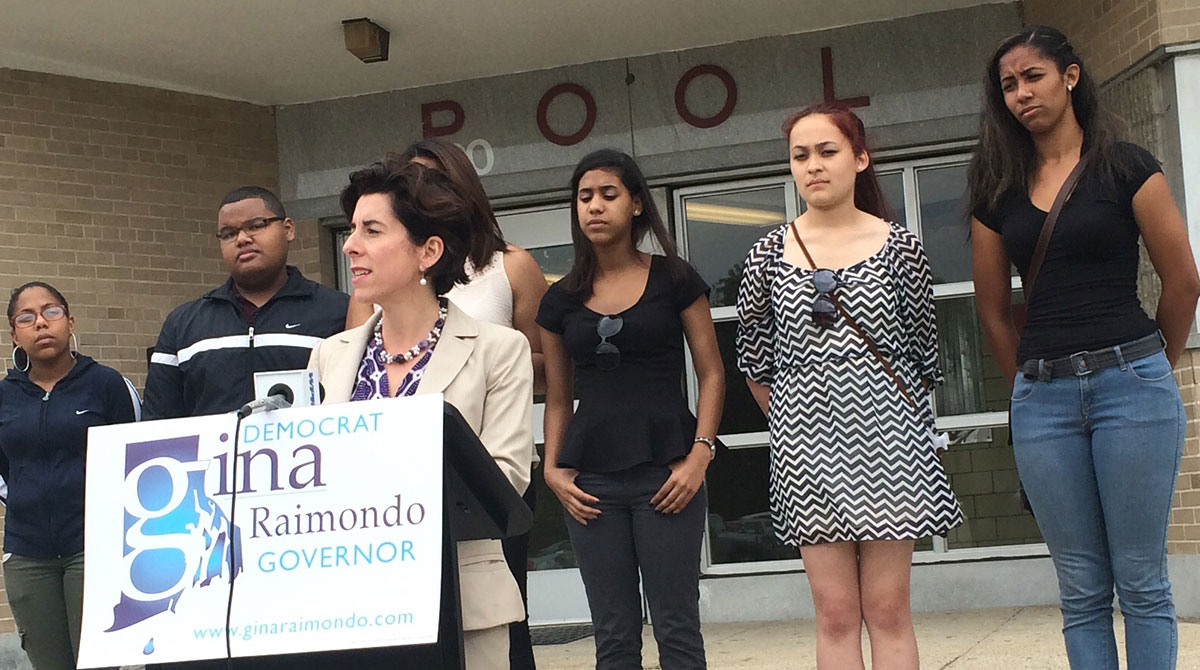
Pell may have spent more than others, but he reflects a trend of record-setting spending so far this year. Democratic primary winner and state Treasurer Gina Raimondo has spent $3.6 million since the start of 2013. With 51,770 votes cast in her favor, that comes out to $94.44 for each vote. The third candidate, Providence Mayor Angel Taveras, spent $63.23 per vote, according to an analysis of data from the state Board of Elections.
Record levels of spending
GET THE LATEST BREAKING NEWS HERE -- SIGN UP FOR GOLOCAL FREE DAILY EBLASTAll three candidates spent at rates that were higher than the most expensive campaign of 2010, Frank Caprio’s failed big for Governor, which shelled out $36.50 for each of the votes it received over the course of the entire election campaign. (This year, in his failed comeback campaign for state Treasurer, Caprio spent $7.73. His opponent, Seth Magaziner spent $12.98. See below slides for the full breakdown for each of the competitive primaries from this year.)
The number of candidates who had deep pockets partly explains what drove up spending in the Democratic primary, according to Victor Profughi, a pollster and professor at the University of Rhode Island. This race drew two candidates with deep pockets: Pell, who leveraged his personal fortune, and Raimondo who tapped into a network of investors and finance professionals.
Spending in the Democratic primary dwarfed the GOP. But even there spending was about seven times 2010 levels. That year, John Robitaille and Victor Moffitt spent a combined $210,059. This time around, Ken Block and Allan Fung spent a combined $1,467,164.
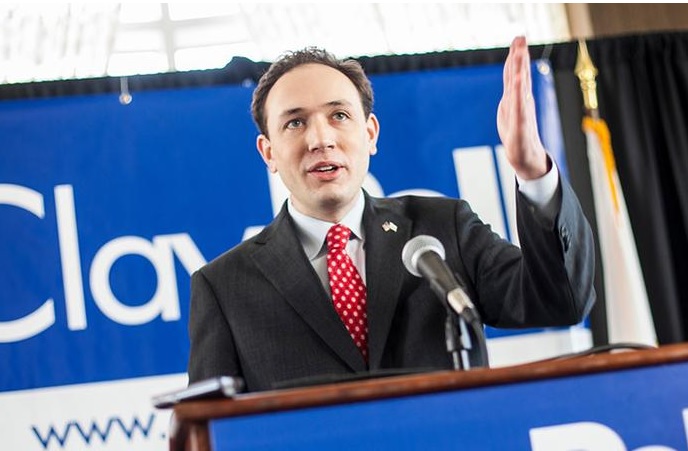
Block’s 13,932 votes cost him $54.43 each. Fung’s 17,011 votes cost $41.67. By comparison, when Block ran in the general election under the Moderate Party banner in 2010, he spent $23.79 per vote.
Patrick Sweeney, the campaign manager for Fung, said the primary outcome shows that money—while vital to a successful campaign—is not enough.
“What it comes down to is turning data into decisions. While money is the mother’s milk of politics, it doesn’t guarantee victory. In today’s digital age, you need to identify your supporters and target that audience in the most cost efficient manner possible. We applied an integrated model with our media, digital, and mail programs to identify our supporters through analytics. One piece of that model is a cost per vote analysis. Given the results of yesterday’s election, I believe we ran an extremely efficient campaign,” Sweeney said.
A spokesman for the Block campaign did not respond to a request for comment.
In a primary race in Rhode Island, Profughi said the most effective way to spend money is on identifying voters and turning them out to vote. “I think that’s one of the things Gina did very well,” Profughi said.
One of the widest disparities in spending was in the Democratic primary for Providence mayor. City Council President Michael Solomon ran a $729,243 campaign, ultimately spending $79.35 for each of the 9,190 votes he received. The winner in the race, Jorge Elorza, spent less than half as much with a final dollar-per-vote ratio almost a third what it was for Solomon. By the numbers: Elorza spent $303,029 and received 10,562 votes. His cost per vote was $28.69.
(Much of that disparity is due to Elorza’s decision to forgo television advertising. He also benefitted from the support thrown his way by Brett Smiley, who spent $423,863 before dropping out of the race.)
Elorza campaign manager Marisa O’Gara said the spending and vote tallies show that money will only get you so far in a race. “We had a great team, a strong ground game, and a candidate with real ideas to move Providence forward. Money isn’t everything in politics, and as we spent many months knocking on doors, making phone calls, and talking with residents in every corner of our city, it became increasingly clear how many people share Jorge’s vision for our future,” O’Gara said.
A campaign official for Solomon did not respond to a request for comment.
Republican candidate is lowest spender per vote—again
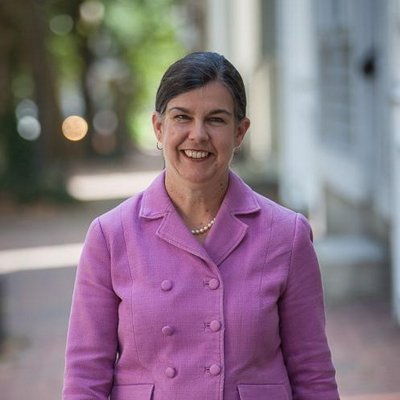
That might explain, in part, why the GOP candidate for Lieutenant Governor, Catherine Taylor, spent just $35,772 on her primary campaign to net 17,120 votes.
It also helped that her opponent Kara Young did not run a campaign organization, with no campaign expenditures reported to the Board of Elections. (Even so, Young still managed to garner 8,587 votes in the primary.)
Taylor, who resigned her position as the director of the Division of Elderly Affairs in June to run for office, had a cost per vote of $2.09, the lowest of any of the statewide candidates who had major competitive primaries. When Taylor ran for Secretary of State in 2010, she also had the lowest spending-to-vote ratios in the general election, at $1.79.
Taylor spent no money print or television ads. In an interview, the only advertising expense that she could recall was a “modest” campaign on Facebook. “The strategy was retail politics, which is very inexpensive,” Taylor said. “We were able to personally target a lot of people.”
She also credited the help of local GOP city and town chairs, who targeted voters through e-mail and social media.
Taylor pointed to her lean campaign as an example of how she would run the Lieutenant Governor’s office if elected. That office has roughly a $1 million annual budget. As Lieutenant Governor, Taylor said she make sure voters got a lot of value out of that money.
See How Much Each Candidate Spent Per Vote

Kara Young
Office Sought: Lt. Governor
Party: Republican
*Total Spent:
Total Votes: 8,587
*Cost per vote:
*This candidate did not report any campaign expenditures

Catherine Taylor
Office Sought: Lt. Governor
Party: Republican
Total Spent: $35,772
Total Votes: 17,120
Cost per vote: $2.09

A. Ralph Mollis
Office Sought: Lt. Governor
Party: Democrat
Total Spent: $154,870
Total Votes: 40,208
Cost per vote: $3.85

Daniel McKee
Office Sought: Lt. Governor
Party: Democrat
Total Spent: $262,362
Total Votes: 48,634
Cost per vote: $5.39

Nellie Gorbea
Office Sought: Secretary of State
Party: Democrat
Total Spent: $334,971
Total Votes: 56,483
Cost per vote: $5.93

Frank Ferri
Office Sought: Lt. Governor
Party: Democrat
Total Spent: $146,555
Total Votes: 23,029
Cost per vote: $6.36

Frank Caprio
Office Sought: Treasurer
Party: Democrat
Total Spent: $296,457
Total Votes: 38,329
Cost per vote: $7.73

Seth Magaziner
Office Sought: Treasurer
Party: Democrat
Total Spent: $1,004,169
Total Votes: 77,365
Cost per vote: $12.98

Guillaume De Ramel
Office Sought: Secretary of State
Party: Democrat
Total Spent: $775,248
Total Votes: 52,480
Cost per vote: $14.77

Jorge Elorza
Office Sought: Providence Mayor
Party: Democrat
Total Spent: $303,029
Total Votes: 10,562
Cost per vote: $28.69

Allan Fung
Office Sought: Governor
Party: Republican
Total Spent: $708,881
Total Votes: 17,011
Cost per vote: $41.67

Ken Block
Office Sought: Governor
Party: Republican
Total Spent: $758,283
Total Votes: 13,932
Cost per vote: $54.43

Angel Taveras
Office Sought: Governor
Party: Democrat
Total Spent: $2,263,853
Total Votes: 35,803
Cost per vote: $63.23

Michael Solomon
Office Sought: Providence Mayor
Party: Democrat
Total Spent: $729,243
Total Votes: 9,190
Cost per vote: $79.35

Gina Raimondo
Office Sought: Governor
Party: Democrat
Total Spent: $4,889,258
Total Votes: 51,770
Cost per vote: $94.44

Clay Pell
Office Sought: Governor
Party: Democrat
Total Spent: $3,664,207
Total Votes: 32,986
Cost per vote: $111.08


