


Providence Ranked One of Worst Cities in U.S. for Bugs
GoLocalProv News Team
Providence Ranked One of Worst Cities in U.S. for Bugs
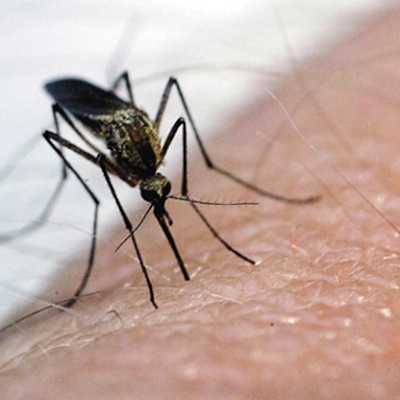
According to TruGreen, Providence is the 8th worst city in the U.S. for bugs.
“As temperatures rise, more insects come out to play, and a recent survey conducted online by Harris Poll for TruGreen in June 2017 found that 60 percent of Americans in the Northeast are worried about ticks ruining their time outside this summer, compared to 48 percent in the Midwest, 35 percent in the South, and 32 percent in the West,” said TruGreen in their press release.
GET THE LATEST BREAKING NEWS HERE -- SIGN UP FOR GOLOCAL FREE DAILY EBLASTThe Rankings
1. Hartford, Connecticut
2. Columbus, Ohio
3. Detroit
4. Boston
5. Rochester, New York
6. Cincinnati
7. Pittsburgh
8. Providence, Rhode Island
9. Buffalo, New York
10. Chicago
Tips From TruGreen on Preventing Bugs
To help Providence residents keep bugs away this summer, TruGreen offers the following tips:
- Mosquitoes lay their eggs near water, so remove standing water that accumulates in things like buckets and birdbaths.
- Ticks love tall grasses and brush, so keep your grass cut.
- Invite animals who eat bugs to your yard to move in and feast by placing bat and birdhouses in your yard.
- Fleas thrive in moist places, so be careful not to over water your lawn and landscape.
- Take the necessary precautions recommended by the Centers for Disease Control and Prevention, and consider hiring a professional lawn care company to address your pest concerns.
The Method
The list of cities most bothered by bugs was developed by TruGreen based on an analysis of customer data from May 1, 2017 to May 31, 2017.
The surveys were conducted online within the United States by Harris Poll on behalf of TruGreen from March 17-21, 2017, among 2,173 U.S. adults ages 18 and older, and from June 23-27, 2017 among 2,031 adults ages 18 and older.
These online surveys are not based on a probability sample and therefore no estimate of theoretical sampling error can be calculated.