


RI Receives Dismal Grades from American Lung Association in ‘State of Tobacco Control’ Report
GoLocalProv News Team
RI Receives Dismal Grades from American Lung Association in ‘State of Tobacco Control’ Report

In the United States, tobacco use remains the nation’s leading cause of preventable death and disease, taking an estimated 480,000 lives every year. This year’s “State of Tobacco Control” report from the American Lung Association (ALA) finds Rhode Island earned two failing grades on its efforts to reduce and prevent tobacco use.
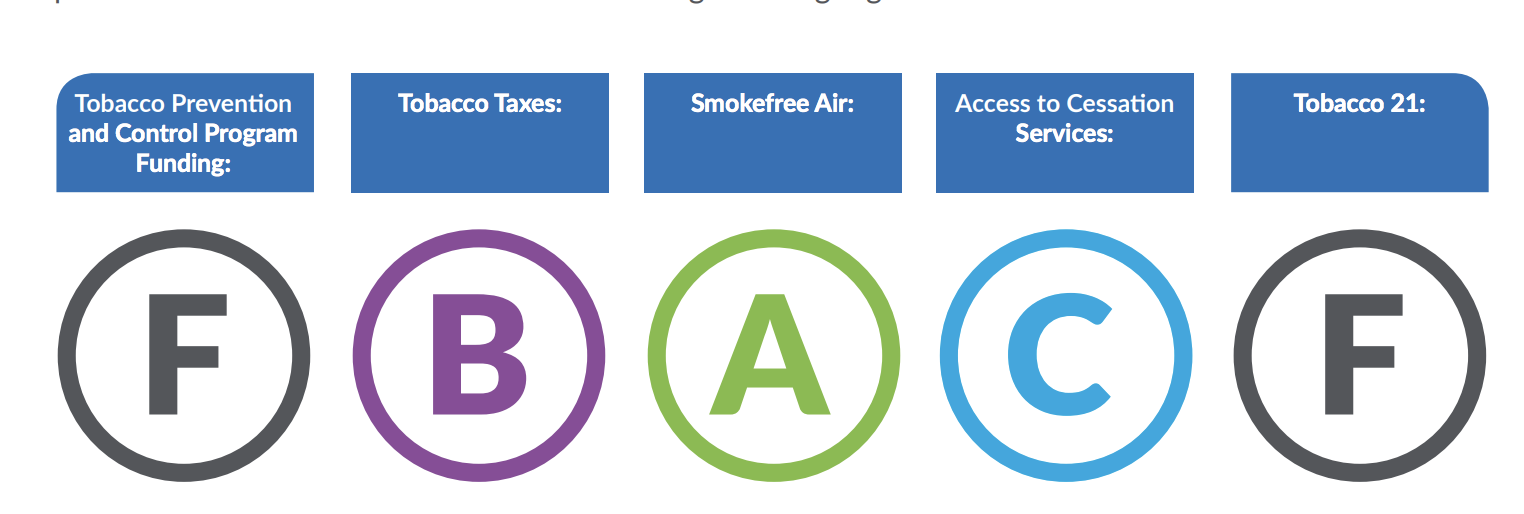
Rhode Island received the following grades:
GET THE LATEST BREAKING NEWS HERE -- SIGN UP FOR GOLOCAL FREE DAILY EBLASTFunding for State Tobacco Prevention Programs – Grade F
Strength of Smokefree Workplace Laws - Grade A
Level of State Tobacco Taxes - Grade B
Coverage and Access to Services to Quit Tobacco - Grade C
Minimum Age of Sale for Tobacco Products to 21 – Grade F
“In Rhode Island, our high school smoking rates remain at 25.9 percent – higher than the national average. Tobacco use is a serious addiction and we need to invest in proven measures to prevent and reduce tobacco use as outlined in ‘State of Tobacco Control’,” said Jennifer Wall, Director of Advocacy for the American Lung Association in Rhode Island. “The report provides a roadmap on how to save lives, but much work remains to be done in communities across Rhode Island to prevent and reduce tobacco use.”
The American Lung Association calls on state officials to raise the minimum age of sale for tobacco products and increase funding for the Rhode Island Tobacco Control Department in order to save the lives of Rhode Islanders.
Rhode Island needs to take action to protect youth from tobacco is more urgent than ever, with youth e-cigarette use reaching epidemic levels due to a 78 percent increase in high school e-cigarette use from 2017 to 2018, according to results from the Centers for Disease Control and Prevention (CDC)’s 2018 National Youth Tobacco Survey. This equals one million additional kids beginning to use e-cigarettes, placing their developing bodies and lungs at risk from the chemicals in e-cigarettes as well as a lifetime of addiction to a deadly product. This has caused the U.S. Surgeon General to declare e-cigarette use among young people an epidemic in an advisory issued in December 2018.
As GoLocal reported in October 2018, Sales of JUUL e-cigarettes grew more than seven-fold from 2016 to 2017, according to data released on Tuesday by the Centers for Disease Control and Prevention (CDC).
During 2016-2017, JUUL Labs’ sales increased 641 percent — from 2.2 million devices sold in 2016 to 16.2 million devices sold in 2017.
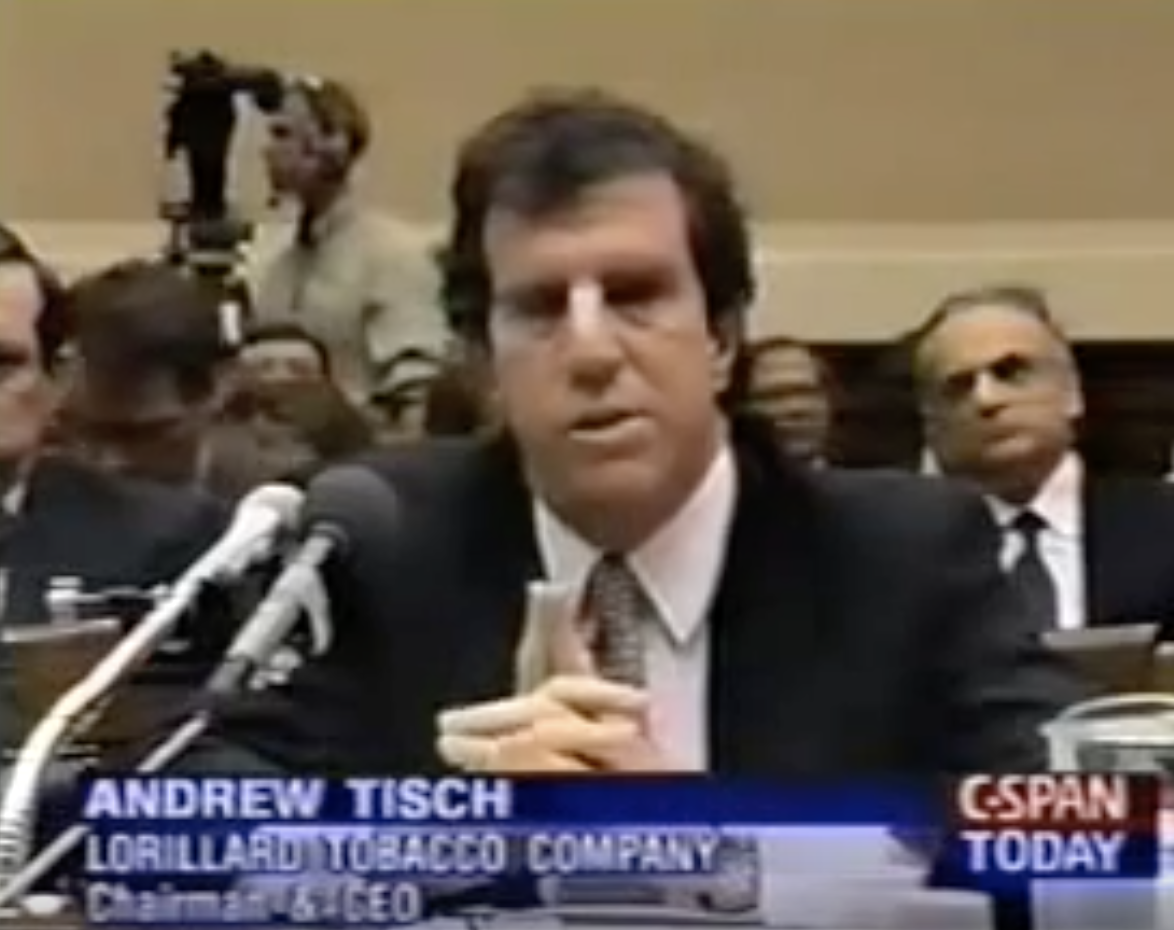
In June 2018, Governor Gina Raimondo tapped one of the players in one of the most dramatic Congressional showdowns for an out-of-town fundraiser -- Andrew Tisch and his wife Ann were scheduled to host a New York City fundraiser for Raimondo at their home.
Tisch may be best known for his dramatic testimony before Congress when he was the CEO of Lorillard Tobacco Company, when he and other leading tobacco execs shocked members of Congress and the American public in claiming that there was no link between tobacco and cancer and that nicotine was not addictive.
Under her administration, Rhode Island has sunk to a grade of "F" from the American Lung Association in the previous year's report card. According to the national health organization, "Thumbs down for Rhode Island for spending little state money on tobacco prevention and cessation programs despite smoking costing the state close to $640 million in healthcare costs each year."
After GoLocal's story, the fundraiser was canceled.
ALA Urges "Tobacco 21" law
As youth smoking and e-cigarette use continue to garner attention at the national level, the American Lung Association urges Rhode Island legislators to pass a statewide “Tobacco 21” law - to raise the age of sale from 18-21. This year, the state received a failing grade in this category after a bill in the last legislative session failed to pass.
Tobacco is a highly addictive product, and close to 95 percent of smokers try their first cigarette by the age of 21. More must be done to prevent and reduce youth tobacco use in Rhode Island, and one powerful tool is increasing the minimum age of sale for tobacco products to 21.
Daniel Fitzgerald, Coordinator for Tobacco-Free Rhode Island said, “Virtually all adult smokers had their first cigarette before age 21, and most before the age of 18. By increasing the age of sale for tobacco products to at least 21 years old we can reduce youth tobacco use, slow the e-cigarette epidemic and save lives.”
“In the 2019 ‘State of Tobacco Control’ report, we call for Governor Raimondo and the legislature to take action and protect the children of Rhode Island by raising the minimum sales age for tobacco, including e-cigarettes, to 21,” said Wall.
Dr. Saurabh Agarwal, a cardiothoracic radiologist at Rhode Island Medical Imaging echoed the call to better protect youth from tobacco saying, “According to a 2015 report from the National Academy of Medicine, raising the tobacco age to 21 nationwide could prevent 223,000 deaths among people born between 2000 and 2019, including 50,000 fewer dying from lung cancer, the nation’s leading cancer killer. Failing to enact policies like this continues to place the lung health and lives of Americans and our children at risk.”
In addition to passing Tobacco 21, Rhode Island has a powerful opportunity to help further reduce and prevent tobacco use by increasing funding for tobacco control programs. An investment in prevention is especially important given the skyrocketing number of youth who are using e-cigarettes, as well as a tool to combat the healthcare costs incurred by the state due to smoking, estimated at over $640 million annually. Despite Rhode Island receiving $195 million from tobacco settlement payments and tobacco taxes, the state’s programs were funded at less than 20 percent of the level recommended by the Centers for Disease Control and Prevention (CDC).
Wall said, “The State of Tobacco Control” 2019 provides a blueprint that states and the federal government can follow to put in place proven policies that will have the greatest impact on reducing tobacco use and exposure to secondhand smoke in the U.S. The real question is: Will lawmakers in Rhode Island end their failure to act and take this opportunity to achieve lasting reductions in tobacco-related death and disease?