European Union and China Step Up on Climate - Rob Horowitz
GoLocalProv
European Union and China Step Up on Climate - Rob Horowitz
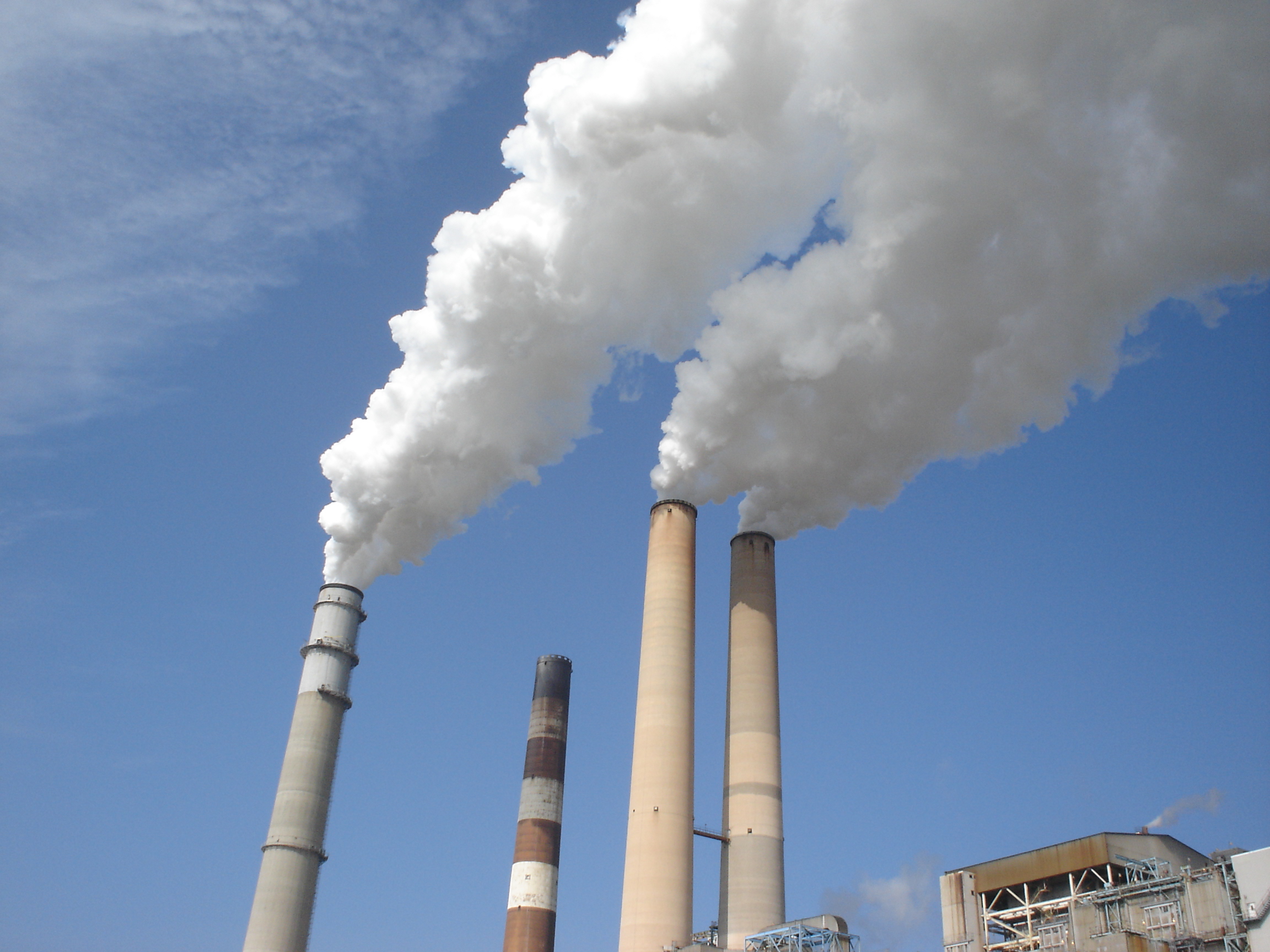
An international team of 27 scientists found that the heat wave in the Northwest was “virtually impossible without climate change” and “calculated that climate change increased the chances of extreme heat occurring by at least 150 times, but likely much more,” reported AP. While the specific contribution of climate change to the flooding in Europe remains to be determined, our heated-up atmosphere “holds more moisture and is already causing heavier rainfall in many storms around the world,” reported The New York Times.
These negative impacts are rapidly growing because average global temperatures have already increased by 1.1 degrees Celsius (1.8 degrees Fahrenheit) from pre-industrial times. This means we are already two-thirds of the way towards speeding past the1.5 degrees Celsius or 2.7 degrees Fahrenheit increase that scientists tell us we must not exceed, if we are to avoid the worst consequences of global warming.
GET THE LATEST BREAKING NEWS HERE -- SIGN UP FOR GOLOCAL FREE DAILY EBLASTThe good news, however, is that the path to limiting global temperature increases is well-marked and key components such as the transition to non-carbon producing sources of energy are already well underway. What is required is mainly an acceleration of existing trends. Due in large measure to a renewed United States commitment to taking on the climate challenge, which has restored our international credibility on the issue, other large carbon emitters are now committing to bolder and speedier action.
This past week the European Union and China unveiled what the Wall Street Journal referred to as “sweeping plans to limit greenhouse-gas emissions,” going well beyond their previous steps. The European Union committed to doubling their use of renewable energy from its current 20% to 40% by 2030 and is seeking to institute an import tax on goods coming from high carbon-emitting nations. “Our current fossil fuel economy has reached its limit,” said Ursula von der Leyen, European Commission president. "We know that we have to move to a new model.”
China is putting in place a domestic carbon emissions trading system, “establishing the world’s largest carbon market and doubling the share of global emissions covered under such programs,” according to The Wall Street Journal. These and other actions the world’s largest carbon emitter is taking will enable it to achieve its goal of leveling off emissions by 2030 and realizing net zero emissions by 2060.
These new commitments still fall short of all that is required for these nations to contribute everything they must to avoid the worst consequences of climate change. But they are a big step in the right direction. By announcing their plans in advance of this Fall’s International Climate Summit to be hosted by Great Britain, the European Union and China hope to spur other world powers to stepped-up action.
In the early 1960s, John F. Kennedy challenged our nation to meet another difficult and to some, seemingly impossible goal: “We choose to go to the Moon in this decade and do the other things, not because they are easy, but because they are hard because that goal will serve to organize and measure the best of our energies and skills, because that challenge is one that we are willing to accept, one we are unwilling to postpone, and one which we intend to win, and the others, too.”
The climate challenge is one we can’t postpone—if we are going to leave a habitable planet for our children. Like the moon landing, however, if we devote our energies and through our example and smart diplomacy, continue to enlist the other nations of the world, it is one we can successfully meet.
But to paraphrase JFK, “it will not be easy; it will be hard.” That is why we must not lose any more precious time and do all that is needed to succeed.