


On Primary Day, The Field Generals Take Center Stage - Horowitz
Rób Horowitz, MINDSETTER™
On Primary Day, The Field Generals Take Center Stage - Horowitz
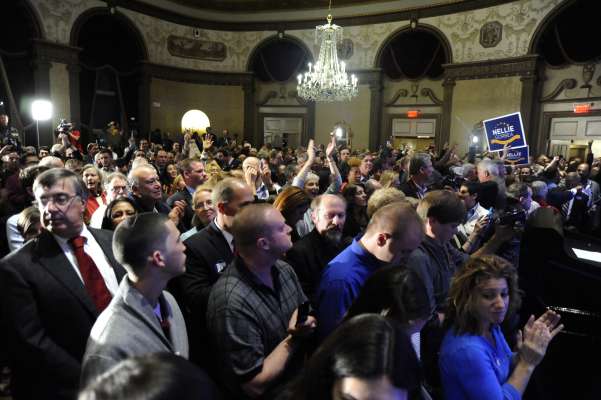
If past is prologue, terms like “ground game” and "voter bingo systems” will be tossed about and there will be a fair amount of relatively meaningless speculation about which campaigns have the strongest turn-out operations. We will also be deluged with breathless reports throughout the day-- which more often than not are unreliable-- about whether turn-out is light or heavy and which candidates are likely to benefit.
GET THE LATEST BREAKING NEWS HERE -- SIGN UP FOR GOLOCAL FREE DAILY EBLAST
That being said, a strong get-out-the-vote effort, which to be effective in statewide, congressional and city mayoral races is the culmination of months of work by dedicated, usually young field staffers, is an important and occasionally decisive component of a well-run campaign. Today, is the day, the field generals--the campaign field directors and get-out-the-vote coordinators, often one in the same-- take center stage. At least for this one day, the much higher-paid media consultants who garner the lion’s share of publicity stand down with nothing to do except bite their nails, watch the clock and call around to secure partial information that is nearly always unsatisfying.
In primaries, doing the painstaking work through phone calls and door-to-door canvassing mainly of individually identifying a sufficient number of supporters upon whom to focus your get-out-the-vote efforts on is of more importance than in general elections. Unlike general elections, there is no party registration and extensive data about buying habits that correlate to political preferences, which taken together provide reliable ways to identify likely supporters without having spoken to them.
Fueled by volunteers and supplemented by paid workers, successful primary field efforts knock on thousands of doors, make thousands of phone calls, and increasingly send a series of text messages, all aimed at voters with a history of voting in their candidate’s primary or new registrants to their candidate’s political party.. These conversations and contacts serve a two-fold purpose; 1) persuading the voter to support their candidate; 2) identifying whether the person is a supporter who the campaign will re-contact to ensure that they vote.
In the same way, it usually takes multiple contacts to persuade someone to vote for your candidate, research shows that it takes 5 to 6 contacts to persuade someone who might otherwise not vote to get out to the polls. As a results, effective get-out-the-vote efforts devise persuasive messages and deliver them multiple times. Smart campaigns draw on academic studies that show that the odds of people voting are upped if you ask them whether they have a plan for how and when they are going to vote and if the messages draw subtly on peer pressure and inform the voter that most of the neighbors have already voted. Additionally, the advent of early voting and more widespread use of mail ballots means that this whole process now starts earlier and has grown more complex.
As campaigns today do the final work of getting their supporters to the polls, some using volunteers in polling places to check off their supporters who have voted, so they can focus in the final precious hours before voting ends just on their identified supporters who have yet to vote, the field generals will be hunkered down in various headquarters, ensuring this work continues until time runs out.
These young staffers are the unsung heroes of our democracy. They put countless hours of hard work behind candidates’ they believe in. Their skillful organizing and persistent volunteer recruitment is what drives the visible flurries of activity that the public and media glimpse. Taken together, their efforts are one of the reasons that voter turn-out has increased over the past several elections.
Today is their day.