


State and Local Action Now Become More Central to the Climate Fight - Horowitz
Rób Horowitz, MINDSETTER™
State and Local Action Now Become More Central to the Climate Fight - Horowitz
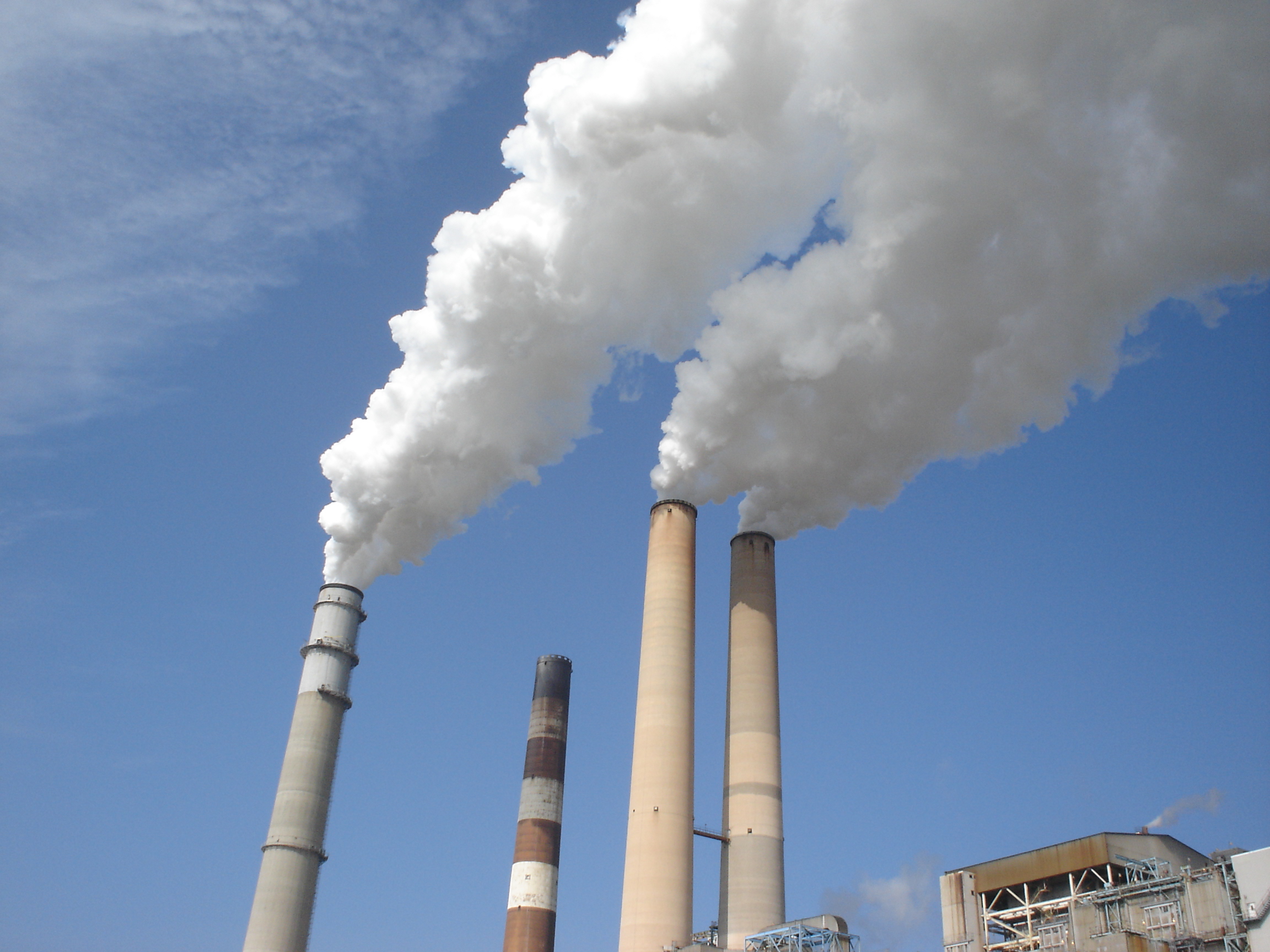
To be sure, there remain important executive actions that the Biden administration can and will take. The EPA, for example, can issue limited regulations that will still be somewhat effective in reducing carbon emissions from power plants. The administration’s efforts to zero in on methane emissions--which are at least 4 times as heat-trapping as carbon in the near term--will also pay dividends. It is the case, however, that in order for the United States to get anywhere near the Biden Administration’s goal of reducing net greenhouse gases by 50% or so from 2005 levels by 2030, state and local governments and business leaders must do more.
Fortunately, there is some good news to report on this front. Fueled in large measure by former New York City mayor Mike Bloomberg and his various local climate initiatives, more than 2-out-of 3 our states and more than 600 local government entities have climate action plans, most of which contain specific greenhouse gas emissions reduction goals. While some of these goals remain more aspirational than realistic, there are states and cities that are meeting and exceeding ambitious targets. “New York and Colorado, for example, are on track to reduce electricity-related emissions 80 percent or more by 2030, compared with 2005 levels, according to a new state scorecard from RMI,” a clean energy think tank, reported The New York Times.
GET THE LATEST BREAKING NEWS HERE -- SIGN UP FOR GOLOCAL FREE DAILY EBLAST“States are really critical to helping the country as a whole achieve our climate goals,” said Kyle Clark-Sutton, manager of the analysis team for the United States program at RMI, " told The Times. “They have a real opportunity to lead. They have been leading.”
In more good news, American car companies are accelerating their commitment to a transition to electric cars. General Motors; Ford; and Stellantis, Chrysler’s parent company, are “investing a combined $120 billion to put millions of electric vehicles on the road by 2030,” according to Fortune. General Motors has pledged to go all-electric by 2035. Ford, which recently pledged to go all electric in the European market by 2035, has committed that at least half its domestic fleet will be electric in that same time window.
Additionally, solar and wind energy grew at its fastest domestic rate ever in 2021, now accounting for 13% of the nation’s power generation. All non-carbon-producing energy sources, which includes nuclear energy, now account for about 40% of US power generation. The rapidly declining price of solar and wind, along with advances in battery technology, will enable us to speed the transition away from fossil fuels. This will require a stepping up of state policies and incentives especially in the wake of less robust action at the national level.
There is no doubt that the one-two punch of the US Supreme Court and Joe Manchin have dealt a blow to American efforts to meet its climate goals. But it is far from a death blow. Stepped-up action by states, local governments and the private sector can make up for a good deal of this lost ground and keep us on track.
Limiting global temperature increases to the 1.5% Celsius or 2.7% Fahrenheit scientists say is essential to avoid the worst consequences of climate change requires strong United States domestic action to leverage its needed global leadership. Action at the state and local level will now, in large measure, determine whether we have sufficient domestic success.
It is important that all who want to leave a habitable planet for their children turn at least some of their attention away from Washington, D.C. and towards what is happening on their home-fronts.