


The Biden Comeback - Horowitz
Rob Horowitz, MINDSETTER™
The Biden Comeback - Horowitz
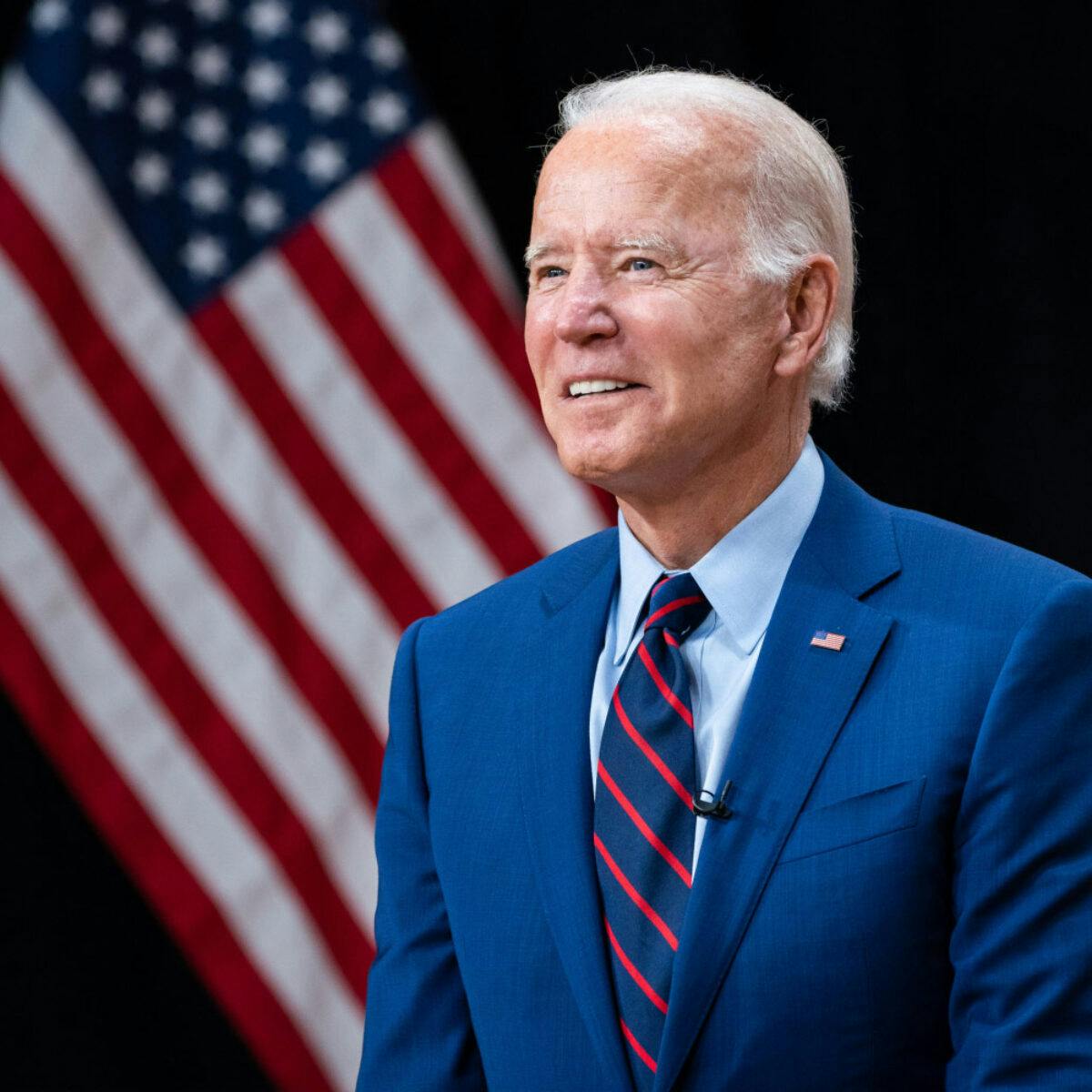
This nearly across-the-board criticism is driven in large measure by Biden’s current low job approval rating. Even with the rise of partisan media, where outlets cater to a slice of the audience that selects them because they mainly reinforce their existing views, polling results still heavily influence the coverage. When presidents are unpopular, news segments and articles are framed around explaining why.
And there is no getting around the fact that over the past few months Joe Biden’s approval rating has moved markedly downward. Currently, 42 % of American adults approve of his job performance, while 53% disapprove, according to FiveThirtyEight’s weighted average of national polls. This is a decline in job approval of about 8 % since the beginning of August. In a related finding, only 22% of American adults say we are “generally headed in the right direction,” while 72% say “we are off on the wrong track,” reported an NBC News poll released over the weekend. The only recent president less popular than Biden at the end of their first year was Donald Trump.
GET THE LATEST BREAKING NEWS HERE -- SIGN UP FOR GOLOCAL FREE DAILY EBLASTWith that being said and with apologies to Mark Twain, the reports of Biden’s political death are not only premature; they are highly exaggerated. In fact, it is more likely than not that before long we will be talking about the Biden comeback.
One of the major factors in Biden’s decline in the polls is the surge in COVID cases stemming from the Delta and Omicron variants. This has now peaked nationally and is expected to recede relatively rapidly. While there is always the possibility of a new and more virulent variant, the likely trajectory of COVID -19 is for it to become a more seasonal illness that we learn to live with because of the combination of vaccinations and effective new medicines, such as Pfizer’s Paxlovid, enable us to prevent it and treat it. This will all resound to Joe Biden’s political benefit.
The single other largest factor in the president’s current difficulties is inflation. It is likely to moderate in the next few months. Supply chain slowdowns--the largest contributor to rising prices-- are already easing somewhat. These bottlenecks were caused by outsized demand for goods created by people staying home more during COVID and spending more money on upgrading their residences. Additionally, the Federal Reserve will modestly raise interest rates this year, which will also curb inflation.
Once inflation moderates, the underlying strength of the economy-- which created 6.4 million jobs in 2021, a record number, and produced an increase in real income for the bottom third of wage-earners, despite the rise in the cost of living --will be felt across the board. This underlying strength should enable continued robust, if somewhat slowed, economic growth even with the planned interest rate increases. Joe Biden will then begin to reap the political benefits that usually come with a strong economy.
Unlike Donald Trump for whom voters had fixed and strong opinions, there is more fluidity to views about Joe Biden. This creates room for the Biden comeback. Don't bet against it.
