


The Retreat From Religion Continues Swiftly - Rob Horowitz
Rób Horowitz, MINDSETTER™
The Retreat From Religion Continues Swiftly - Rob Horowitz
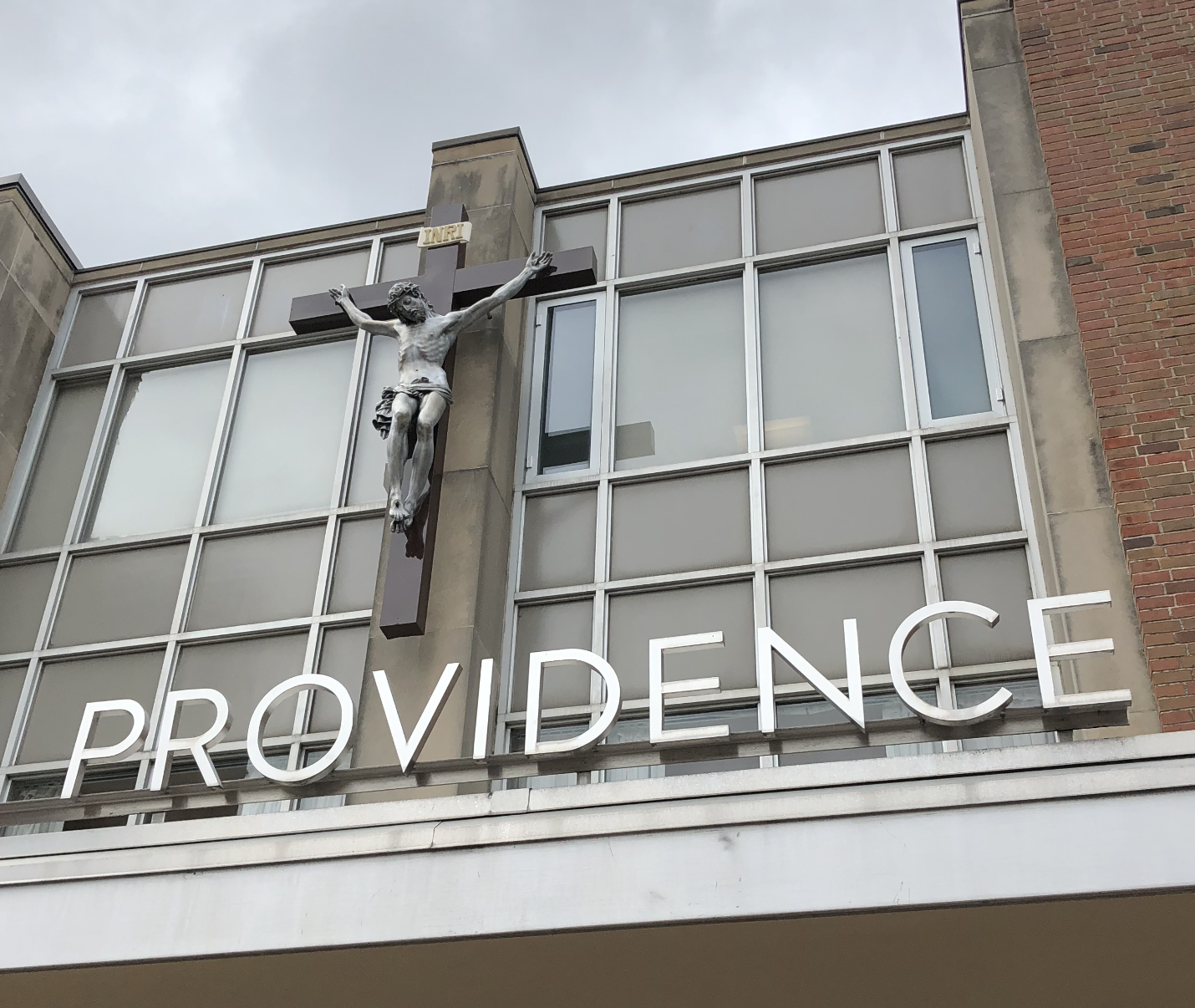
In other words, the retreat by Americans from organized religion and established faiths continues apace. Specifically, “nearly one in five Americans (18%) left a religious tradition to become religiously unaffiliated, over one-third of whom were previously Catholic (35%) and mainline/non-evangelical Protestant (35%)” finds PRRI. Continuing what is becoming a well-established pattern, these two religious groups are losing substantially more members than they are gaining.
GET THE LATEST BREAKING NEWS HERE -- SIGN UP FOR GOLOCAL FREE DAILY EBLAST
On the other hand, the retention rate for white evangelical Protestants have stabilized and as a result their losses are now more limited. “Black Protestants (82%) and Jewish Americans (77%) enjoy the highest retention rates of all religious groups.” according to PRRI. These groups as well as Hispanic Protestants and Latter-day Saints are experiencing no net losses, but even these higher performers are not expanding.
Two out of three Americans (67%) who have left their faith tradition say that a major reason was that “they simply stopped believing in their religion’s teachings.” Another important factor, however, for nearly half of Americans (47%) who have disaffiliated is their religion’s “negative teaching about or treatment of gay and lesbian people.” This is a 17-percentage point increase since 2016.
Clergy sex abuse scandals have also taken their toll. Today, about 3-in-10 (31%) religiously unaffiliated Americans and 45% of former Catholics say “they no longer identify with their childhood religion” at least in part due to “sexual abuse scandals.”
Even among the still, overwhelming majority of Americans who identify with a faith tradition, there has been a drop in the centrality of religion to their lives. While 10 years ago 72% of Americans “reported that religion was the most important thing in their lives (27%) or one among many” important things (45%), today, only a “slim majority of Americans (53%) say that religion is the most important (15%) or one among many important things in their lives (38%).”
Similarly, there has been a marked drop in church attendance. Today, “nearly one-quarter of Americans (24%) attend religious services, either virtually or in person, at least once a week,” finds PRRI. This is a 7-percentage point decline from 10 years ago.
Scholars, such as Rodney Stark and Roger Finke, point out that the strength of Americans’ religious beliefs and participation in organized religion as compared to European nations over most of our nation’s history is in large measure a function of the fact that we never had a state religion, creating what is essentially a marketplace for souls. Given the continuing retreat from religion, which is especially pronounced among younger adults, it seems that there is an across-the-board need for all the various organized religious entities to do their own soul-searching. It is time to go back to the drawing board and devise new methods of better connecting with the Americans of today.