


Dispatches from the Rio Olympics from Professor Victor Matheson
GoLocalProv
Dispatches from the Rio Olympics from Professor Victor Matheson
GET THE LATEST BREAKING NEWS HERE -- SIGN UP FOR GOLOCAL FREE DAILY EBLAST
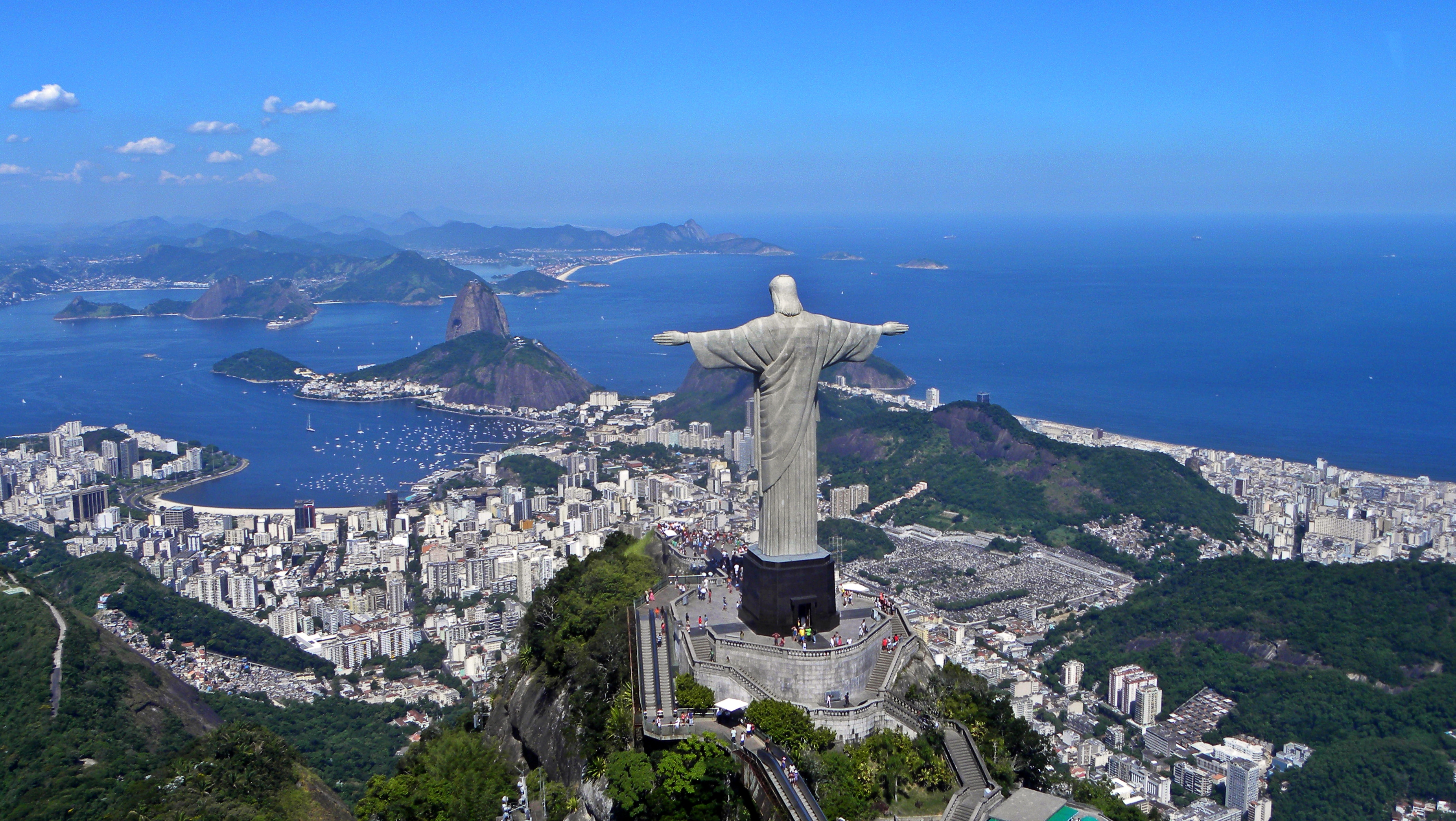
The 2016 Summer Olympic Games begin on Friday here in Rio de Janeiro. Nearly ten years ago, Brazil decided to gamble on hosting the world's two largest sporting events back to back: the 2014 World Cup and this year's Olympics. The question for economists like myself is whether these types of "mega-events" are a good investment for the economy.
I have been a long-time critic of public spending on sports events and stadiums (including the proposed Providence baseball stadium). I am here in Rio looking at the preparations and talking with organizers to learn more about how Brazil is trying to make this work.
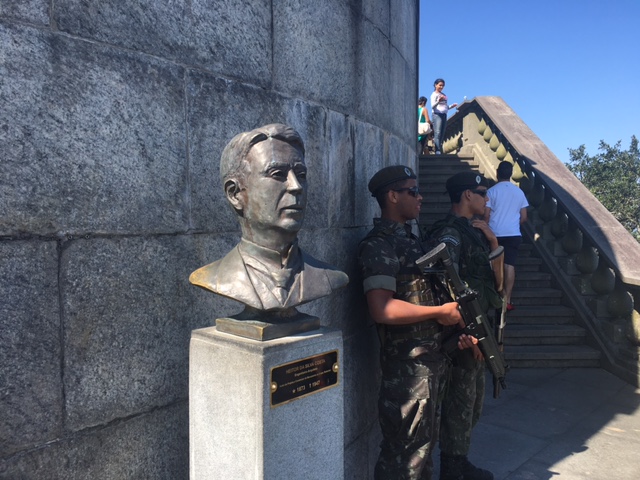
Unfortunately, keeping athletes and spectators safe has become a major burden for hosts of mega-events. A reported 85,000 military troops are will be stationed in Rio during the Games, and the total security budget is likely to be around $1.5 billion. This works out to a cost of over $100 per ticket sold. Security costs alone for this year's event are likely to exceed the entire cost of the 1984 Summer Olympics in Los Angeles, even after accounting for inflation, and security expenditures have gone up by a factor of 6 since 9/11/01. These costs make it difficult for any country to make a profit on the Olympics, even if all of the infrastructure is in place already. While Brazil and Rio may benefit from the long-term legacy of the Olympics, in the short-run, it is impossible to make the books balance when it costs the organizers more to protect the fans than it is charging them for tickets.
The Greatest Rhode Island Olympic Hockey Players

Bryan Berard
Olympic Team: 1998
Born in Woonsocket, Berard was a member of the U.S. men’s hockey team in 1998. A graduate of Mount St. Charles Academy, Gerard played 11 seasons in the NHL for six NHL teams including the Boston Bruins. He was the first overall pick in the NHL draft in 1995. His career accolades include winning the Bill Masterson Memorial Trophy in 2004 for his exemplary sportsmanship.

David Emma
Olympic Team: 1992
A graduate of Bishop Hendricken High School, Emma played for the U.S. Men’s Hockey Team at the 1992 Winter Olympics. He also represented the U.S. at the World Championships in 1991 and 1999. Emma went on to play five seasons in the NHL for the New Jersey Devils, Florida Panthers, and Boston Bruins.
Emma, a native of Cranston, is currently the Managing Director, Partner at Masterson, Emma and Associates at HighTower.

Chris Terreri
Olympic Team: 1988
Born in Warwick, Terreri was the goaltender for the U.S. Hockey Team at the 1988 Winter Olympics. He also played for the U.S. at the Worlds Championships from 1985-1987 and again in 1997.
Terreri also served as goaltender for Providence College from 1982-1986 – winning the 1985 NCAA Men’s Ice Hockey Championship MVP. He would go on to play 14 years in the NHL and win two Stanley Cups.

Lisa Brown-Miller
Olympic Team: 1998
This Providence College graduate won a gold medal at the 1998 Olympic Games in Nagano. She is one of just three players to have played on six U.S. National teams. While at PC, Brown-Miller earned All-Eastern College Athletic Conference honors as a sophomore, junior, and senior. In addition to hockey, she also played softball at PC.

Robert Gaudreau, Sr.
Olympic Team: 1968
One of the greatest Brown University hockey players of all-time, Gaudreau was a member of the 1968 U.S. Olympic hockey team. He was first team All-Ivy three years in a row and a two-time All-American. Gaudreau ended his Brown career as the school’s most productive defensemen with 35 goals and 55 assists. He is a member of the Brown University Hall of Fame.

Sara DeCosta
Olympic Team: 1998, 2002
Born in Warwick, DeCosta won a gold medal at the 1998 Winter Olympics and a silver at the 2002 Winter Games. A graduate of Toll Gate High School and Providence College, DeCosta posted impressive statistics in the ’98 Olympics recording a 1.59 goals against average and a .875 save percentage as goaltender.
Decosta was named the USA Hockey Women’s Player of the Year in 2000 and 2002. In 2002, she was named a Sports Ethics Fellow by the Institute for International Sport. DeCosta currently lives in Warwick with her husband and three children.

Katie King-Crowley
Olympic Teams: 1998, 2002, 2006
King, a Brown University graduate played for three U.S. women’s hockey teams – including the gold medal winning team at Nagano. Aside from her gold, King also has a silver medal from the Salt Lake City Games and a bronze from Turin.
In addition to playing hockey at Brown, King also played softball, and was even named the Ivy League Softball Player of the Year in 1996. She is currently the head coach of the women’s hockey team at Boston College.

Tom Mellor
Olympic Team: 1972
Mellor, a Cranston native, won a silver medal as a member of Team USA at the 1972 Winter Olympic Games in Sapporo. He also represented the U.S. at the Ice Hockey World Championship tournaments in 1971, 1972, and 1973.
A graduate of Boston College, Mellow was drafted by the Detroit Red Wings in 1970 and played 26 games in the NHL.

Keith Carney
Olympic Team: 1998
Born in Providence, this 17-year NHL veteran was a defenseman for the 1998 Men’s Olympic team that competed in Nagano. One of just 29 players to appear in 1,000 NHL games, Carney retired in 2008 as a member of the Minnesota Wild.
As a college athlete, Carney was named to the NCAA East First All-Star Team for the 1990-1991 season and the NCAA East Second All-American Team for the 1989-1990 season.

Brian Burke
Olympic Team: 2010
Born in Providence, Burke was the general manager for the U.S. men’s hockey team for the 2010 Winter Olympics in Vancouver. Burke is currently the President of Hockey Operations and General Manager for the Calgary Flames.
A former Friar, Burke was captain of the Providence College hockey team in his senior year.

Karen Thatcher
Olympic Team: 2010
This Providence College graduate won a silver medal as a member of the U.S. women’s hockey team at the 2010 Winter Olympics. In addition to winning a silver medal, Thatcher won a gold at the Women’s 4 Nations Cup in 2011.
Prior to transferring to PC, Thatcher played her freshman year at Brown University. Her many career accolades include being named to the Providence Hockey East All-Decade Team and winning the John Carlton Award in 2002.

Paul Guay
Olympic Team: 1984
Born in Woonsocket, Guay represented the United States in the 1984 Olympics in Sarajevo – scoring one goal for Team USA. Guay, who graduated from Mount Saint Charles High School, played eight NHL seasons for several teams, including the Philadelphia Flyers, Los Angeles Kings, Boston Bruins, and New York Islanders.

Clark Donatelli
Olympic Team: 1988, 1992
Born in Providence, Donatelli played center for Team USA at the 1988 Olympics in Calgary and the 1992 Games in Albertville. A graduate of Boston College, Donatelli would go on to play for both the Providence and Boston Bruins. He is currently the head coach of the ECHL’s Wheeling Nailers.

Gerald Kilmartin
Olympic Team: 1952
Born in Providence, Kilmartin won a silver medal at the 1952 Winter Olympics in Oslo. A graduate of Bryant University, he also played for the United States at the 1947 and 1949 World Championships.

Cammi Granato
Olympic Team: 1998, 2002
Considered one of the greatest female hockey players of all time, Granato helped lead Team USA to a gold medal at the 1998 Winter Olympics in Nagano. Granato, who attended Providence College, also won a silver medal at the 2002 Olympics.
She is a member of the International Hockey Hall of Fame, the U.S. Hockey Hall of Fame, and the NHL Hall of Fame.


