


Immediate Jeopardy in Nursing Homes is Rising; We Have Tools to Use Now - Costa
Carol Costa, Guest MINDSETTER™
Immediate Jeopardy in Nursing Homes is Rising; We Have Tools to Use Now - Costa
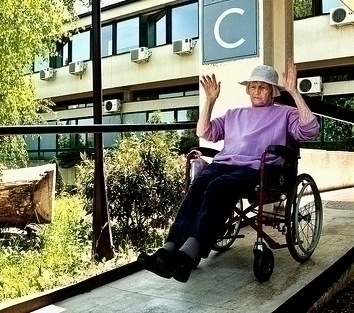
As the Executive Director of The Senior Agenda Coalition of RI (SACRI) our coalition recently noted that the instances of IJ have surged, as nursing homes being cited for (IJ) went from 11 such citations in 2022 to 29 as of this October. SACRI is alarmed by the dramatic increase in the number of nursing homes being cited. SACRI is dedicated to advocating, educating, and presenting practical solutions to address situations that impact RI’s ever-growing aging population, as well as adults with disabilities who reside in the state’s nursing homes. Often, they cannot speak for themselves, and our coalition stands ready to hold the state’s leaders aware and accountable to address this disturbing trend.
GET THE LATEST BREAKING NEWS HERE -- SIGN UP FOR GOLOCAL FREE DAILY EBLAST
Unsettling Examples
A sample of these instances is shocking and should be a wake-up call to entities that have the authority to act. Immediate Jeopardy citations this year included instances of resident elopements from facilities – in one case, the resident was found 13 miles away, 14 hours after leaving the facility. In another, nursing assistants were performing care for a number of residents with tracheostomies, which they were not licensed to do. In another, a resident was given the wrong medication resulting in them being hospitalized in critical condition. In other cases, residents were given the wrong medications at discharge.
In some cases, residents were sexually assaulted. Many of these instances are distressing and impact a wide swath of residents. SACRI recognizes there are issues related to the adequacy of funding as the vast majority of long-term nursing home residents are paid for by the Medicaid program. This, along with the ongoing workforce crisis, creates significant challenges in providing quality care to the many thousands of older adults and persons with disabilities living in our state’s nursing homes. This is why SACRI supported legislation to create a Nursing Home Workforce Standards Advisory Board as passed by the legislation but vetoed by Governor McKee. This is also why SACRI supports minimum staffing standards and specialized training for staff working with persons with Alzheimer’s and related dementias.
The need to develop better models for caring for persons with both dementia and those with behavioral health and nursing needs is paramount. SACRI remains concerned about large out-of-state corporations taking over Rhode Island nursing homes who may put profits over providing quality care. And this is why our coalition supports fair and living wages for our direct care staff. As our state’s population grows older and more persons need long-term care services it is critical to maintain quality care, especially for those who cannot always speak for themselves. Existing state law (RIGL 23-17-12.6) includes a provision to help to begin to address these deficiencies and other tools are available and within the grasp of our state’s leaders.
The Tools – A Call to Action
In light of the increase in substandard nursing home care in our state, SACRI calls for the following actions:
Department of Health Director, as authorized under state law (RIGL 23-17-12.6), to require nursing facilities with two or more citations of Immediate Jeopardy in a twelve-month period, to appoint an independent quality assurance monitor to advise and assist the nursing facility’s management to achieve compliance with federal and state regulations in order to prevent such incidents in the future.
The Secretary of Health and Human Services to direct funds from the Civil Monetary Penalty Fund, or a portion of the approximately $1.5Million programmed for health systems planning work, to engage a consultant to work with a Task Force of the Long-Term Care Coordinating Council to develop recommendations for caring for persons with behavioral health needs residing in nursing facilities and assisted living facilities.
A general assembly override of the Nursing Home Workforce Standards Board legislation.
You can find out more on the ProPublica Nursing Home Inspection data for RI.
Carol Anne Costa, Senior Agenda Coalition of RI, Executive Director. She has enjoyed a lengthy career in public service, including working in the Raimondo Administration and, most recently, the RI Office of Attorney General. Carol earned a Bachelor of Arts from Rhode Island College, holds certifications in public housing and education, and is an inductee of the RI Tennis Coaches Hall of Fame and recipient of the Governor John Notte Award for public access programming.