


Newport Art Museum Winter Program Features West on Biden and Hull on Origami
GoLocalProv Lifestyle Team
Newport Art Museum Winter Program Features West on Biden and Hull on Origami
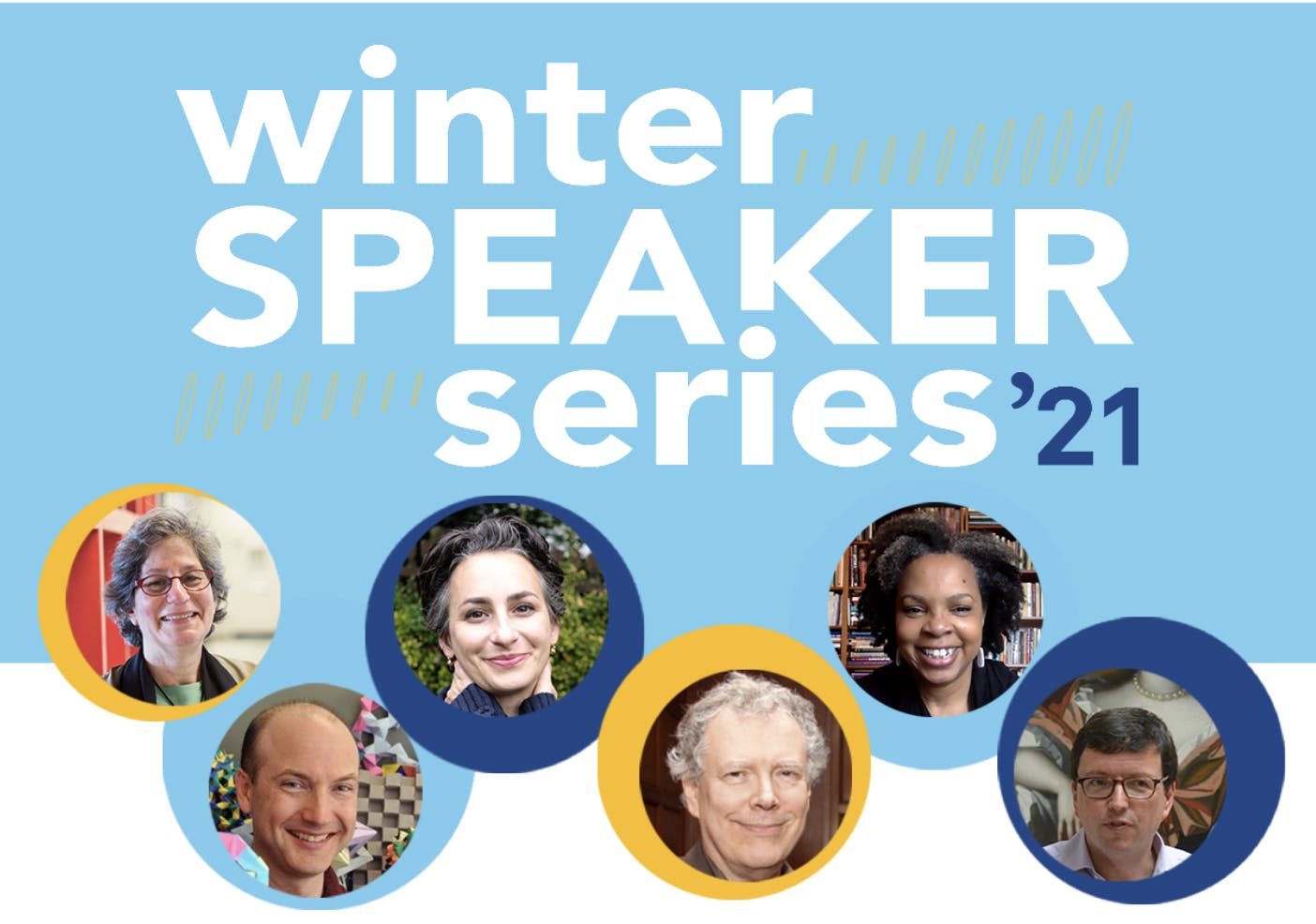
The Newport Art Museum's Winter Speaker's series will not be stopped. It is another deep and varied line-up.
Each lecture requires a ticket, The presentations and the questions and answers will be online.
GET THE LATEST BREAKING NEWS HERE -- SIGN UP FOR GOLOCAL FREE DAILY EBLAST
Saturdays, January 23 - February 27, 2021 at 2 pm
Since 1928, the Winter Speaker Series has been a cornerstone of the Newport Art Museum's annual programming. Each year the Winter Speaker Series Committee and Museum staff curate this series to reflect the ideas of our times to educate, illuminate, delight, and inspire. Now, incredibly in its 93rd year, the 2021 series is poised to have its widest reach yet. Delivered live via Zoom, this year's thought-provoking talks will come to you virtually, wherever you happen to be!
Each lecture will be followed by a virtual Q&A with the speaker.
January 23, 2 pm: Darrell West
Vice President, Senior Fellow and Douglas Dillon, Chair in Governance Studies at the Brookings Institution
"Politics 2021: Challenges Facing the Next Administration" How will the incoming Biden/Harris administration manage the pandemic, respond to social unrest, and remedy broadly felt economic hardship, all at a time when the country remains so sharply divided?
TICKETS >
January 30, 2 pm: Susan Solomon
Lee and Geraldine Martin, Professor of Environmental Science, Massachusetts Institute of Technology
"Three Environmental Success Stories and What They Tell Us About Climate Change"
Environmental success stories DO EXIST and change has been achieved through a combination of science, public policy, industry participation, and the engagement of citizens. Solomon, recipient of the nation’s highest scientific honor, the US National Medal of Science, will reveal lessons learned that provide key guidance for addressing today’s environmental challenges, ensuring our sustainable future.
February 6, 2 pm: Timothy Barringer
Paul Mellon, Professor and Chair of the Department of the History of Art at Yale University
"Curating Victorian Radicals: The Pre-Raphaelites and the Arts and Crafts Movement Today"
“Victorian Radical”? It sounds hyperbolic, but for artists in Victorian Britain who confronted questions raised by the Industrial Revolution of the nineteenth century, it was an apt moniker. They spoke out against mass production, pollution, climate change and social issues in congested cities, and their solutions often centered on ideas of beauty that recalled a time when material objects reflected society’s values.
February 13, 2 pm: Diedra Harris-Kelley
Artist, Educator, and Co-director of the Romare Bearden Foundation
"Romare Bearden: Artist of the African-American Experience"
Artist Romare Bearden was best known for innovative collages depicting scenes of African American life and culture, though he was also an activist, author, educator, baseball player, armed serviceman, songwriter, and social case worker. His paintings are replete with references to music, literature, religion, and classical artistic periods, a reflection of the fact that he was primarily raised in a Harlem pulsing with the unmistakable energy of the Harlem Renaissance.
February 20, 2 pm: Thomas Hull
Professor, Department of Mathematics, Western New England University
"Origami: Where Art, Math, and Science Meet"
Origami, the art of paper folding, has been practiced in Japan and all over the world for centuries. This ancient art has proven an invaluable tool for high tech modern applications – robotics, airbag design, deployment of space structures, and even medicine. When the National Science Foundation invests millions of dollars towards studying engineering and science applications of origami art, you know it’s serious.
February 27, 2 pm: Libby Copeland
Author, Freelance Writer, and Former Washington Post Reporter and Editor
"The Lost Family: How DNA Testing Has Changed Our Understanding of Family, Ethnicity, and Identity"
The cultural phenomenon of at-home DNA testing is not only an industry worth billions, with over 35 million people tested, it has also unearthed many family “surprises”, challenging the concepts of family, ethnicity, and identity. Copeland will unravel these implications – how we think about who we are, where we are from, and what defines family.