


5 RI Properties Listed on National Register of Historic Places
GoLocalProv News Team
5 RI Properties Listed on National Register of Historic Places
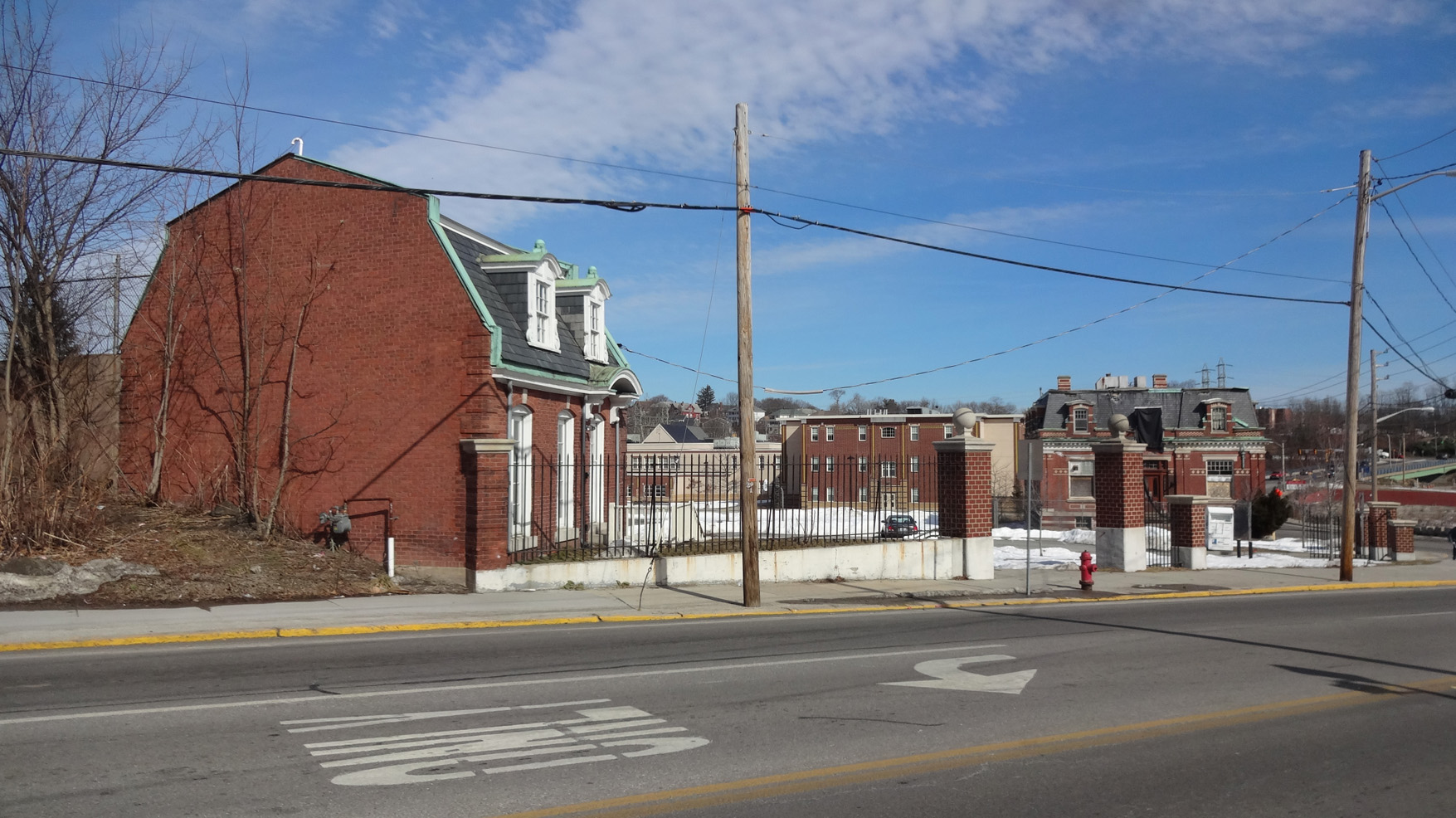
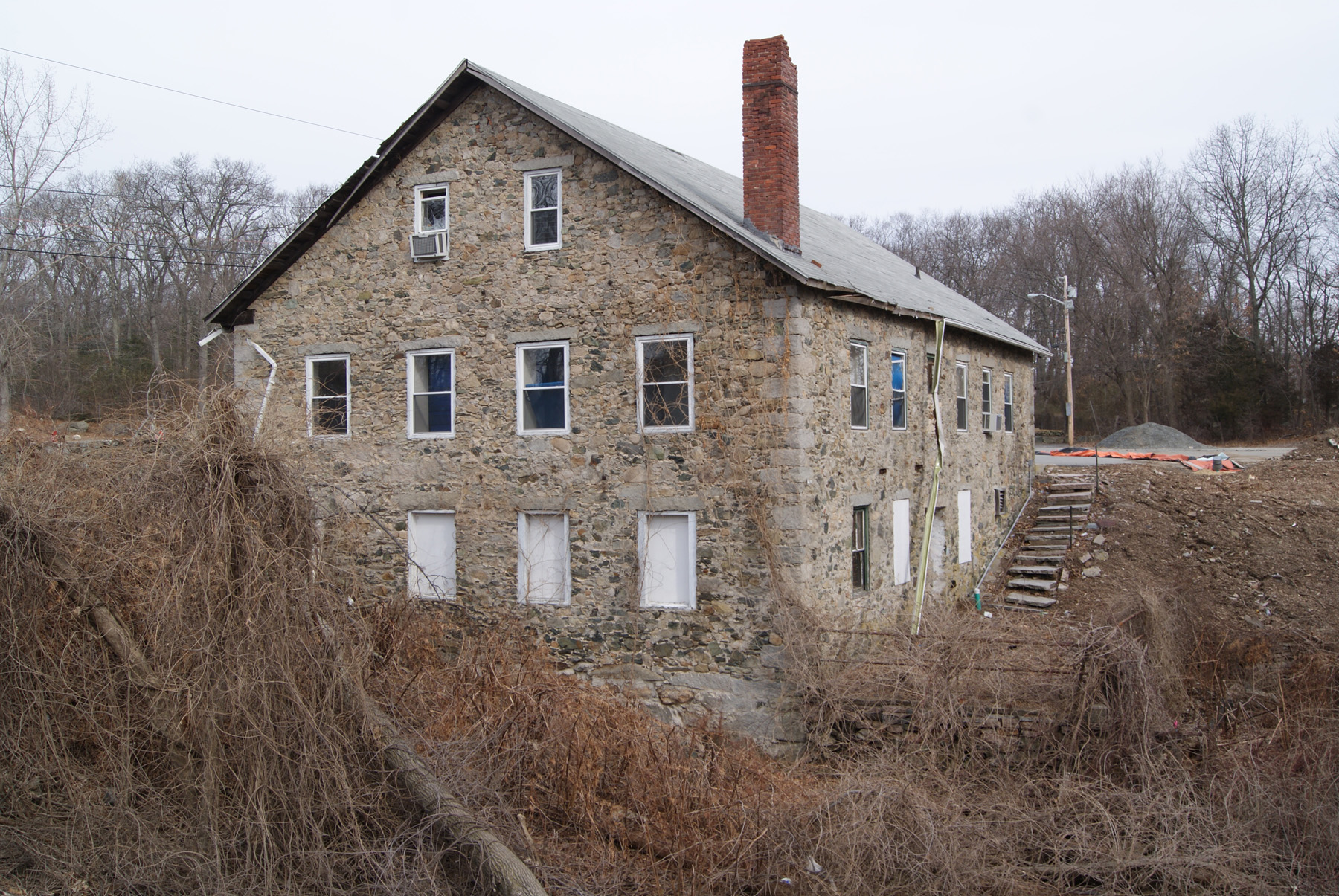
Jeffrey Emidy, Acting Executive Director of the Rhode Island Historical Preservation & Heritage Commission, announced that the National Park Service has added the Otis Angell Gristmill, Woonsocket Senior High and Junior High Schools, Naushon Company Plant, Rochambeau Worsted Company Mill, and Lafayette Worsted Company Administrative Headquarters Historic District to the National Register of Historic Places.
GET THE LATEST BREAKING NEWS HERE -- SIGN UP FOR GOLOCAL FREE DAILY EBLAST“These listings are representative of the variety of properties that are included in the National Register of Historic Places in Rhode Island: rural and urban, vernacular and architect-designed, industrial and civic. All are important to the history or their communities. This recognition will raise awareness of their historical importance which should contribute to their future preservation,” said Emidy.
The Locations
The Otis Angell Gristmill was constructed in the mid-19th century as a gristmill, presumably for property owner Otis N. Angell (1809-1872). It was adapted to various industrial uses, starting with textile waste bleaching in the late 1860s.
From the 1930s to 2012, the building was owned by the Geneva Sportsmen’s Club and used as a clubhouse.
Today the building serves as a recreation center at North Providence’s Governor Notte Park.
The Angell Gristmill is significant to the history of the industry as a rare surviving representative of small-scale, rural textile manufacturing and processing.
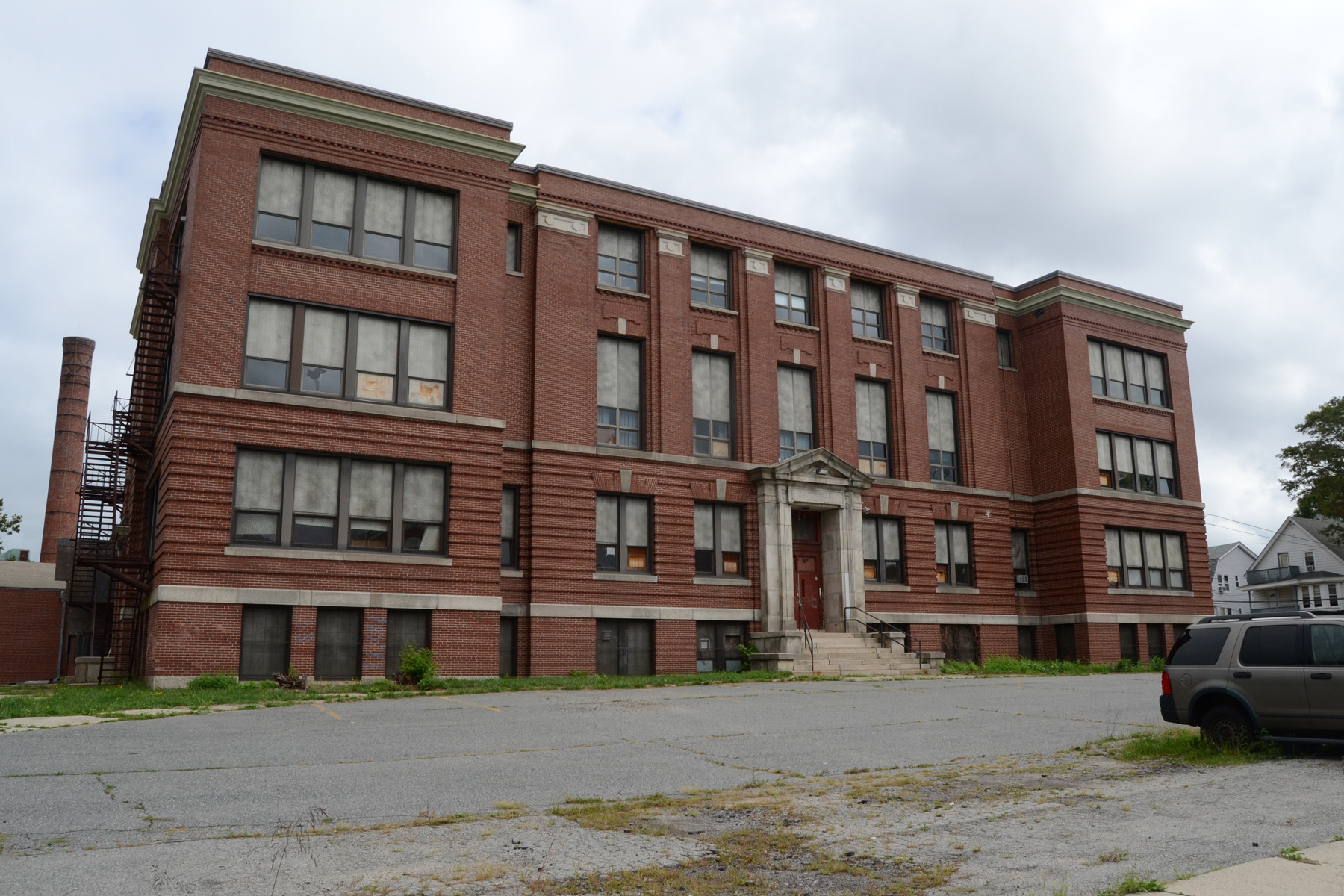
The building was built in four phases between 1915 and 1952. The earliest section was constructed in 1915 as the Woonsocket High School.
The building was expanded ten years later. In 1927, a Junior High School, with an auditorium, a gymnasium, and a boiler house, was constructed to connect with the High School building.
In 1951–1952, the original Senior High School gym was demolished and a new Gymnasium Annex was erected in its place on the north elevation of the original 1915 building.
The school complex is significant to the history of education for its association with the early 20th-century development of Woonsocket’s public-school system and as the school where all Woonsocket children received secondary education for 95 years.
It was one of the first schools to integrate technical trades and domestic sciences instruction. Also, the building is a significant example of civic school architecture, designed in the Classical Revival style by Woonsocket architect Walter F. Fontaine.
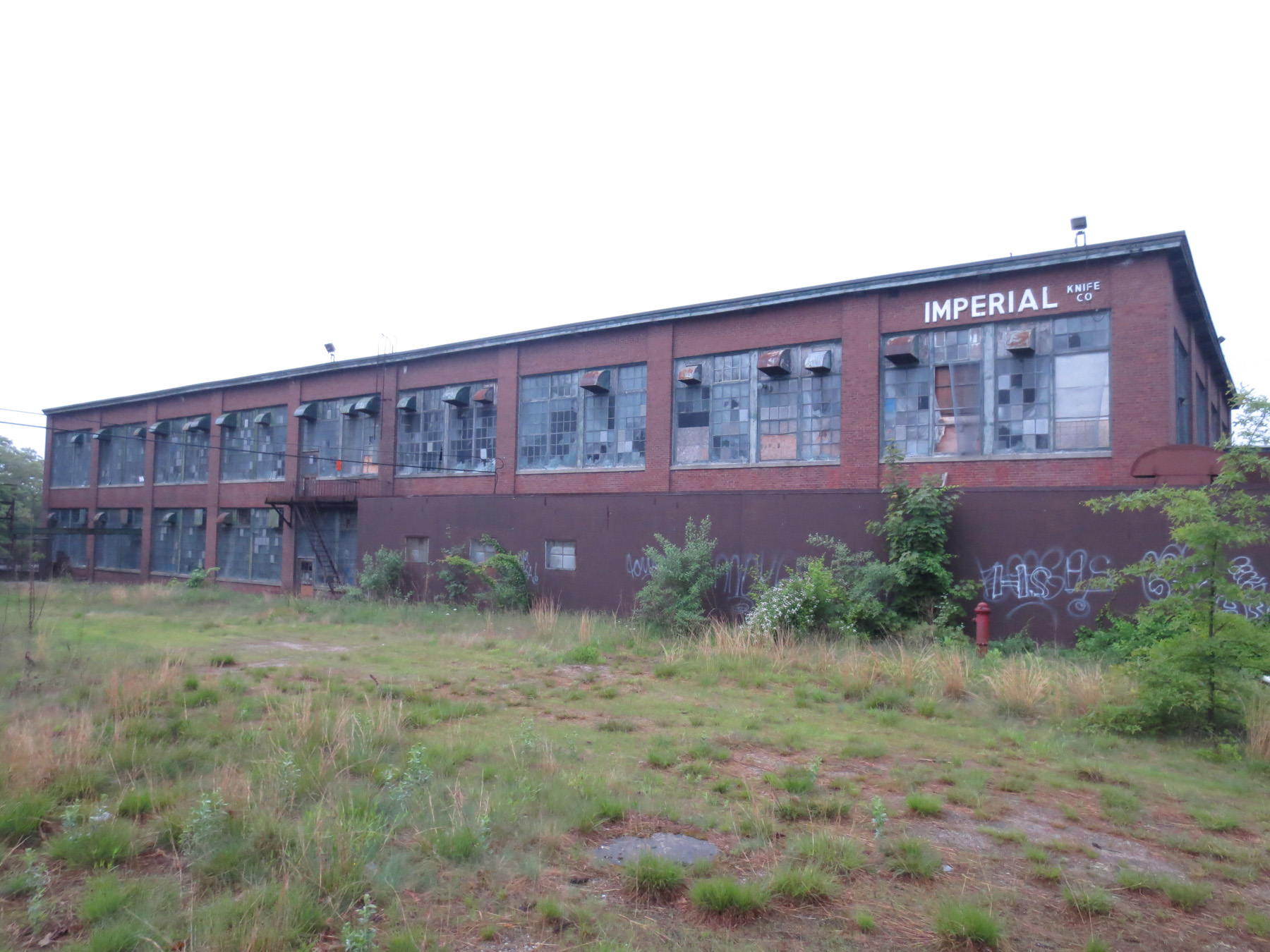
In Cumberland, the Naushon Company Plant (1902-04) on Meeting Street tells the story of six decades of textile manufacture transitioning from cotton goods to cotton-silk blends and, later, to camel hair, mohair, worsteds, and synthetics.
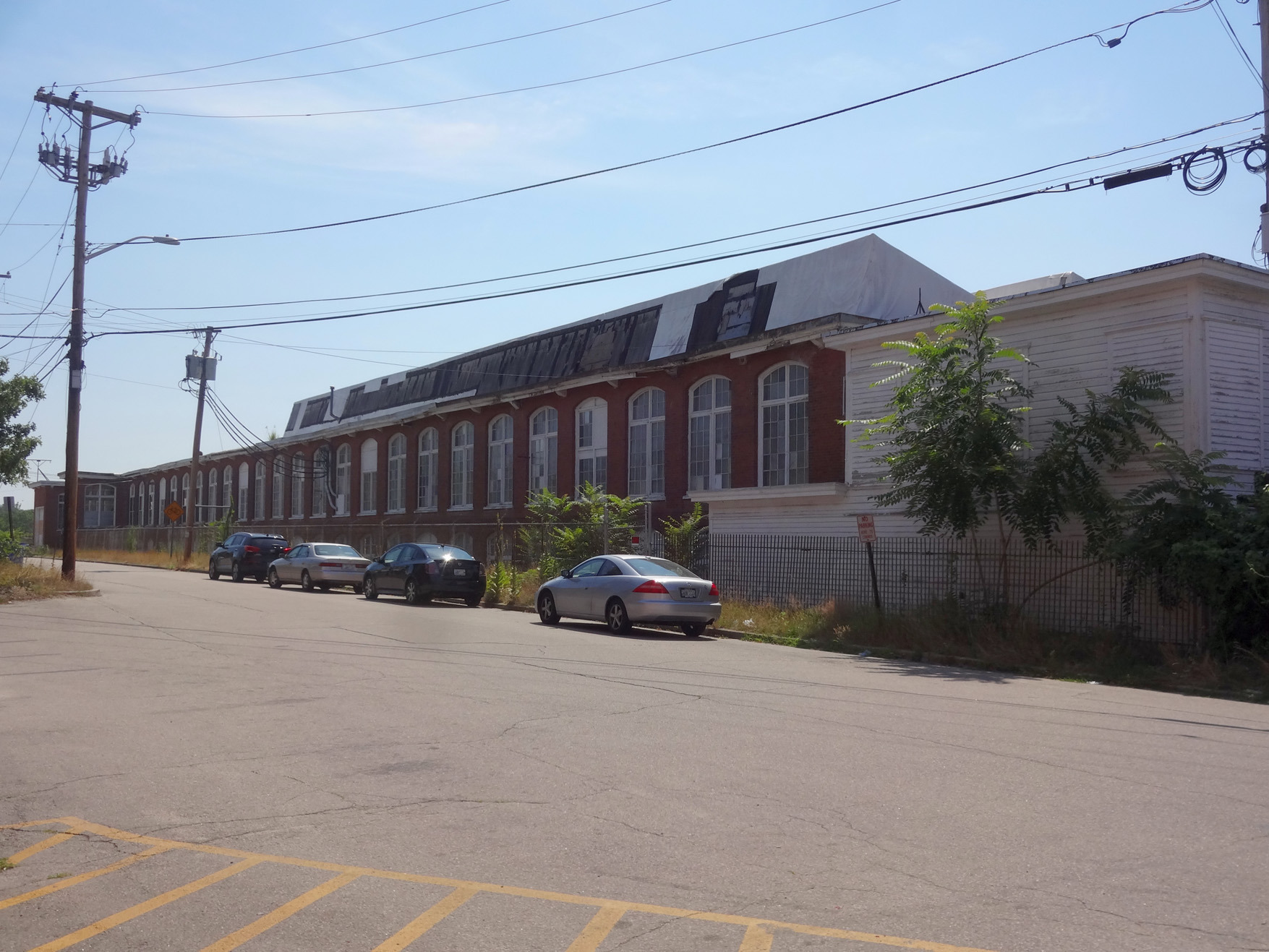
The Rochambeau Worsted Company Mill (ca. 1923) on King Street in Providence is significant for its association with the French worsted industry in Rhode Island.
GoLocal: Benchmark Poll, October 2017

Sponsor: GoLocalProv
Sample: N=403
Rhode Island General Election Voters Margin of Error: +/- 4.9% at 95% Confidence Level
Interviewing Period: October 9-11, 2017
Mode: Landline (61%) and Mobile (39%)
Telephone Directed by: John Della Volpe, SocialSphere, Inc.
Are you registered to vote at this address?
Yes: 100%
When it comes to voting, do you consider yourself to be affiliated with the Democratic Party, the Republican Party, Moderate, or Unaffiliated with a major party?
Unaffiliated: 49%
Democrat: 32%
Republican: 15%
Moderate: .4%
Next year, in November of 2018, there will be a statewide general election for Governor and many other state offices. How likely is it that you will vote in this election?
Will you definitely be voting, will you probably be voting, are you 50-50...
Definitely be voting: 78%
Probably be voting: 13%
50-50: 9%
In general, would you say things in Rhode Island are headed in the right direction or are they off on the wrong track?
Right track: 39%
Wrong track: 45%
Mixed: 10%
Don't know/Refused: .6%
What would you say is the number one problem facing Rhode Island that you would like the Governor to address?
Jobs and economy: 21%
Education: 12%
Taxes: 12%
Roads: 12%
State budget: 9%
Corruption/Public integrity: .8%
Healthcare: 3%
Governor: 3%
Homelessness: 2%
Immigration: 2%
Other: 7%
Don’t know: .9%
Over the past three years or so, would you say the economy in Rhode Island has improved, gotten worse, or not changed at all?
Changed for the better: 35%
Changed for the worse: 16%
Not changed at all: 43%
Don't know/Refused: 5%
Over the same time, has your family's financial situation improved, gotten worse, or not changed at all?
Changed for the better: 26%
Changed for the worse: 19%
Not changed at all: 54%
Don't know/Refused: 1%
Recently, a proposal has been made to permit the issuance of $81 million in bonds by the State to build a new stadium for the Pawtucket Red Sox. If there was an election today on this issue, would you vote to approve or reject issuing $81 million in financing supported moral obligation bonds to build the stadium?
Net: Approve: 28%
Definitely approve: 15%
Probably approve: 14%
Net: Reject: 67%
Probably reject: 19%
Definitely reject: 48%
Don't know: 4%
Could you please tell me your age?
18-24: 7%
25-34: 15%
35-44: 15%
45-54: 20%
55-64: 17%
65+: 25%
Don't know/refused: 1%
What was the last grade you completed in school?
0-11: 2%
High school grad: 16%
Technical/Vocational school: 1%
Some college: 23%
College grad: 34%
Graduate degree: 24%
Don't know/refused: 1%
The next question is about the total income of YOUR HOUSEHOLD for the PAST 12 MONTHS. Please include your income PLUS the income of all members living in your household (including cohabiting partners and armed forces members living at home).
$50,000 or less: 27%
More $50,000 but less than $75,000: 13%
More $75,000 but less than $100,000: 13%
More $100,000 but less than $150,000: 17%
$150,000 or more: 13%
Don't know/refused: 17%
What particular ethnic group or nationality - such as English, French, Italian, Irish, Latino, Jewish, African American, and so forth - do you consider yourself a part of or feel closest to?
American/None: 21%
English: 13%
Italian: 13%
Irish: 12%
Black or African American: 6%
Latino/Hispanic: 6%
French: 6%
Portuguese: 3%
Jewish: 3%
German: 1%
Would you say that Donald Trump has done an excellent good, fair or poor job as President?
Excellent: 13%
Good: 12%
Fair: 14%
Poor: 57%
Never heard of: 0%
Cannot rate: 3%
Would you say that Jack Reed has done an excellent good, fair or poor job as a United States Senator?
Excellent: 22%
Good: 29%
Fair: 23%
Poor: 15%
Never heard of: 6%
Cannot rate: 6%
Would you say that Sheldon Whitehouse has done an excellent good, fair or poor job as a United States Senator?
Excellent: 17%
Good: 22%
Fair: 21%
Poor: 28%
Never heard of: 6%
Cannot rate: 7%
Would you say that David Cicilline has done an excellent good, fair or poor job as a Member of Congress?
Excellent: 9%
Good: 29%
Fair: 21%
Poor: 27%
Never heard of: 6%
Cannot rate: 8%
Would you say that James Langevin has done an excellent good, fair or poor job as a Member of Congress?
Excellent: 7%
Good: 30%
Fair: 20%
Poor: 18%
Never heard of: 13%
Cannot rate: 11%
Would you say that Gina Raimondo has done an excellent good, fair or poor job as Governor?
Excellent: 6%
Good: 28%
Fair: 30%
Poor: 31%
Never heard of: 1%
Cannot rate: 3%
Would you say that Daniel McKee has done an excellent good, fair or poor job as Lieutenant Governor?
Excellent: 3%
Good: 16%
Fair: 21%
Poor: 8%
Never heard of: 26%
Cannot rate: 25%
Would you say that Peter Kilmartin has done an excellent good, fair or poor job as Attorney General?
Excellent: 3%
Good: 20%
Fair: 28%
Poor: 17%
Never heard of: 13%
Cannot rate: 19%
Would you say that Seth Magaziner has done an excellent good, fair or poor job as General Treasurer?
Excellent: 4%
Good: 18%
Fair: 24%
Poor: 13%
Never heard of: 21%
Cannot rate: 21%
Would you say that Nellie Gorbea has done an excellent good, fair or poor job as Secretary of State?
Excellent: 5%
Good: 21%
Fair: 21%
Poor: 10%
Never heard of: 20%
Cannot rate: 23%
Would you say that Jorge Elorza has done an excellent good, fair or poor job as Mayor of Providence?
Excellent: 4%
Good: 24%
Fair: 24%
Poor: 22%
Never heard of: 9%
Cannot rate: 15%
