


Infante-Green Talks Testing, Prov Teachers Negotiations, Charter Battle, RICAS and More
GoLocalProv News Team
Infante-Green Talks Testing, Prov Teachers Negotiations, Charter Battle, RICAS and More
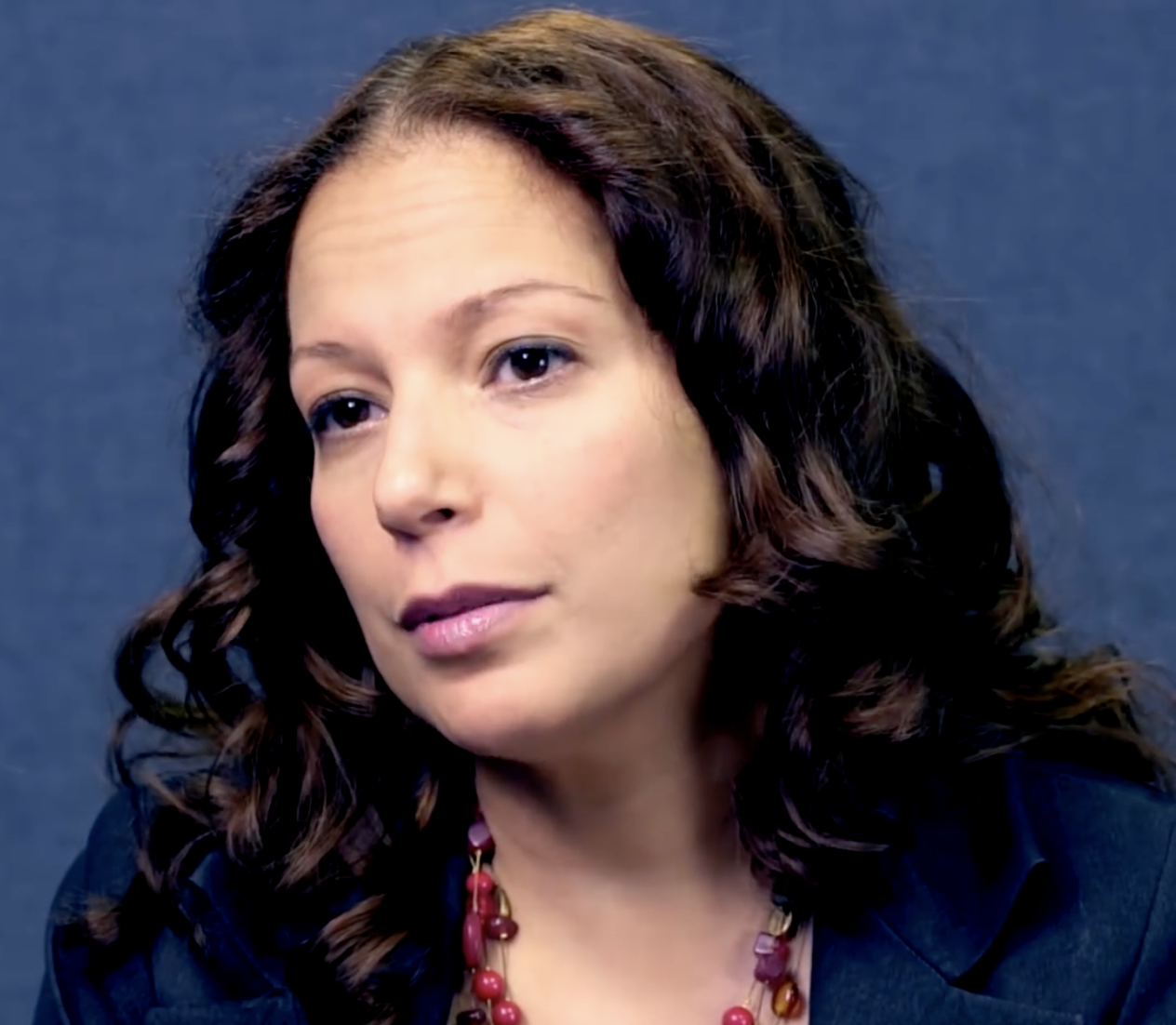
Never before has the state faced more complex and competing concerns.
GET THE LATEST BREAKING NEWS HERE -- SIGN UP FOR GOLOCAL FREE DAILY EBLASTAs schools across the state try to recover from the impacts of shutdowns and online learning due to the pandemic, the Commissioner faces challenges in negotiations with the Providence Teachers Union, legislative battles at the State House over school funding and charter schools and implementing a strategy to improve Providence Public Schools.
It has been nearly two years since the Johns Hopkins University report was released which found that Providence Public Schools were among the worst in the country.
Return to the Classroom
Infante-Green said that Rhode Island is moving towards 100% of elementary students returning to the classroom, but high school is more of a challenge.
"We have about 90% of the students in elementary and middle school coming back and we have about double the number coming back in high school that we had prior to going out on vacation. We’ll know more when everybody comes back next week," said Infante-Green. "We sent out a survey and we’ve gotten information that about 90% of [K-6] will be back in five days a week."
"There’s a couple of challenges [with high school]. The first one is they’re not in stable pods, they move from place to place. And it’s still three feet that we’re still adhering to, so space becomes a bigger issue at the high school level. Also, transportation has been a challenge — we’ve moved to 75% on busses, but there’s still that 25% we’ve struggled to get on the bus with the spacing required by CDC," she added.
Impact of the Pandemic
Last week, the U.S. Department of Education released the State plan application that will support states in describing how they will use resources under the American Rescue Plan Elementary and Secondary School Emergency Relief fund to continue to safely reopen schools, sustain their safe operations, and support students—especially hit hardest by the pandemic.
And, Infante-Green was clear that it will take significant time and resources to help students recover from the impact of the pandemic.
In March, states received access to two-thirds of their ARP ESSER allocation—a total of $81 billion. The remaining $41 billion will become available after states' plans are approved by the Department. After the final one-third of funds are made available, states would have received access to nearly $122 billion to help safely reopen and sustain the safe operation of schools and address the impact of the COVID-19 pandemic on our nation's students.
"Throughout my recent school visits, I have witnessed how federal relief dollars are being used to help schools reopen safely and communities recover from the impacts of the pandemic," said U.S. Secretary of Education Miguel Cardona. "These American Rescue Plan funds are essential to providing more in-person learning options for students quickly, sustaining schools' safe operations, supporting our student's social, emotional, mental health, and academic needs, and boldly addressing inequities that were exacerbated by the pandemic. In developing plans to utilize these funds, it's critical that states and districts bring to the table the voices of those who can best speak to how we can meet these goals, including students, parents, educators, and stakeholders."
RICAS
Parents, educators and students should expect that there will be significant impacts of learning over the past two academic years, according to Infante-Green.
"I want to make it clear to everyone the federal government has not given us a pass on state assessments. I met with the Secretary of Education last week, and he was firm — and what parents should know is this is how they’re going to continue to fund us, and this is a time where we need to know where our kids are," she said. "Whether good, bad — it’s not a reflection on the child, it’s a reflection of what has happened."
"So as a parent, it’s important that you know if your child was behind in let’s say math, what in math are they behind in — is it logical thinking, fractions — what is it? Our RICAS report actually gives you that information for your individual child. In the past, we had a summer school program, an after-school program on “math," whether it meets the needs of your child or not. Now you’ll have the information, we’ll have the information, and we have to tailor everything we do to those results," said Infante-Green. "We don’t know until we have that information — and you as a parent need that information, to advocate at your school to say this is what my child needs."
Regarding the efforts by legislators including Senators Maryellen Goodwin, Sandra Cano and Ryan Pearson to block charter schools, including 5,800 seats scheduled to open in September, Infante-Green said, "I think it’s criminal. Parents are depending on these seats. Nobody likes to have the rug pulled from underneath them — especially when we’re talking about kids."
Providence Teachers Negotiations
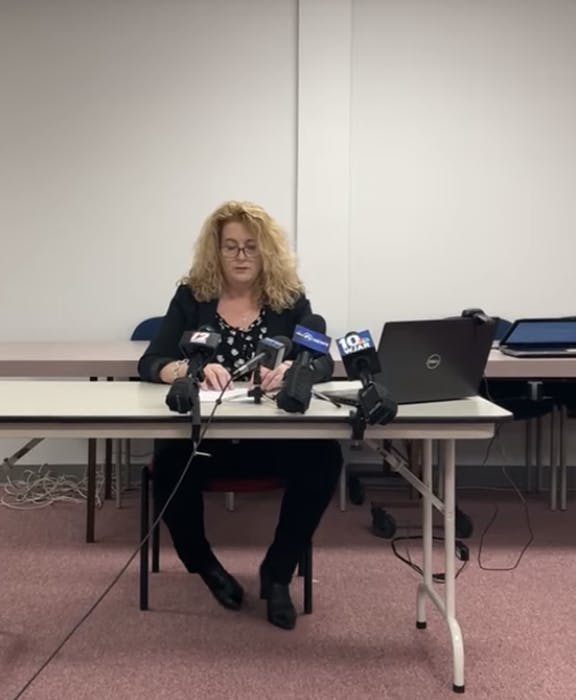
The contentious battle between Rhode Island education officials and the Providence Teachers Union has raged for weeks. "We’re still at the table, we still meet two days a week — I think there are places we’re making a little bit of progress — but there are some places that are tough. I hope that [negotiations don’t fail] because at this point we need to move forward, the district has to continue to function. The more time we spend here, it’s the same contract that’s in place," said Infante-Green.
The Future of Providence Schools
Infante-Green said she believes important progress has been made despite the pandemic. "This has been a challenging year for everyone, but there have been concrete steps we’ve taken. We have a curriculum that we did not have before, that we spent $4 million on, to make sure every student has high-quality curriculum. I have heard from parents who have thanked us because it something that they actually see — quality changes and instruction changes," said Infante-Green.
"Another thing that has changed — if you recall — is that there was one day of PD (professional development) for teachers to learn this curriculum. That has changed as well. We had ten last year," said Infante-Green. "The other piece is that the district has done over 175 professional development sessions and the rating — because we’re rating ourselves very publicly — went from 45% approval to 85% that the teachers feel it is of benefit, what they’re learning. So there’s a lot of things happening but not as fast as we would have liked to have seen it."
"The other piece is we’ve given ourselves metrics to hold ourselves accountable. Parent interaction — parents used to call the district and it would be days before they heard back. [Now] we have 24 hours and we’re holding ourselves accountable. The experience with parents has to change, with the community. We’ve also shifted some resources to the schools. There should be some local autonomy so that principals can run the school according to the needs of the community. Another change is that teachers didn’t have to come to parent-teacher conferences — that was optional. All the teachers came this year. There has been major progress," she added.