


Streaming Overtakes Traditional Television Watching - Rob Horowitz
Rób Horowitz, MINDSETTER™
Streaming Overtakes Traditional Television Watching - Rob Horowitz
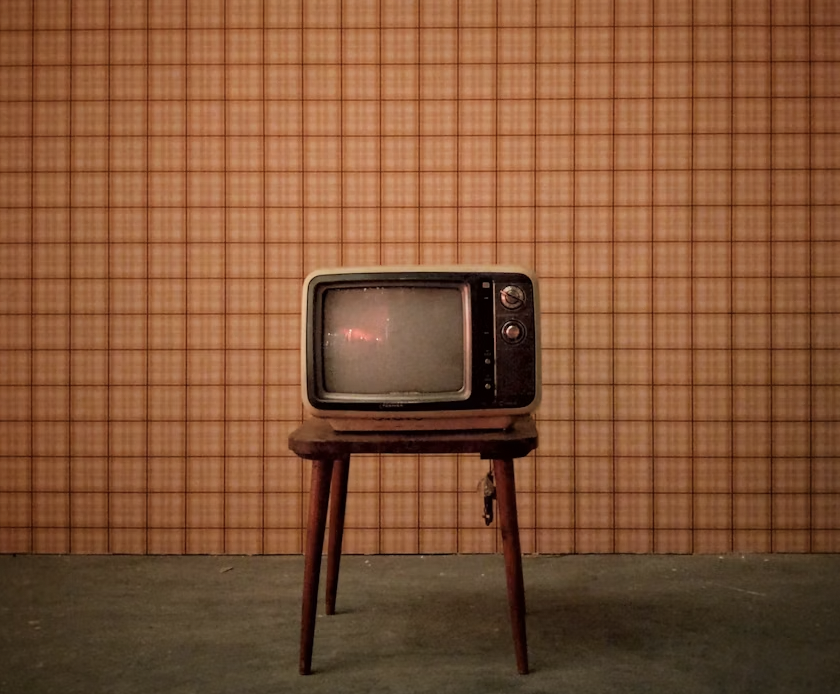
Streaming surpassed the combined share of broadcast and cable in total television usage for the first time ever this past May, according to Nielsen Media Research. “Streaming represented 44.8% of TV viewership in May 2025, its largest share of viewing to date, while broadcast (20.1%) and cable (24.1%) combined to represent 44.2% of TV,” reported Nielsen.
GET THE LATEST BREAKING NEWS HERE -- SIGN UP FOR GOLOCAL FREE DAILY EBLAST
While there may still be months when traditional television watching exceeds streaming--such as when the new broadcast prime time shows are unveiled in the fall--the trend line is unmistakable. Over the past 4 years, streaming has increased by 71%. In contrast, broadcast and cable viewing have declined by 21% and 39%, respectively, according to Nielsen. More than 8-in-10 adults (83%) now use streaming services, according to a Pew Research Center national survey.
The popularity of streaming options, including Netflix, YouTube, Disney+ and Amazon Prime Video, is accelerating cord-cutting with more Americans cancelling their cable and satellite television subscriptions. Today, less than 4-in-10 (36%) Americans overall and only about 1-in-6 (16%) of those ages 18 to 29, “say they subscribe to cable or satellite TV at home,” reported Pew. The only age group that is so far resisting this trend is those 65 and older; more than 6-in-10 (64%) are still cable or satellite television subscribers.
There is still a considerable slice of people like me who watch streaming services but have kept their cable or satellite subscriptions. More than 1-in-4 (28%) of us “both subscribe to cable or satellite TV and watch streaming services, according to Pew. But nearly double the percentage (55%) “watch streaming but do not have a cable or satellite subscription.”
The availability of streaming services enriches both the range and quality of entertainment television viewing options. Combined with cord-cutting, it also provides more cost-effective ways to watch television than expensive cable television packages.
These positive attributes, however, are outweighed by the fact that this is one more development in our overall media and information structure that takes us further away from the common core of information, facts and yes, even entertainment that promotes a national conversation and reminds us of our shared values. It moves us deeper into our own information and entertainment silos where we are even less exposed to ideas or compelling fictional characters that may challenge our point of view.
The growth of streaming contributes to a dilemma to which we have yet to figure out good answers: in today’s digitally dominated, niche media universe, in which the audience is widely dispersed with no common understanding of facts or reality, how do we come together as Americans?