


LA Fires Are a Climate Wake-Up Call - Rob Horowitz
Rób Horowitz, MINDSETTER™
LA Fires Are a Climate Wake-Up Call - Rob Horowitz
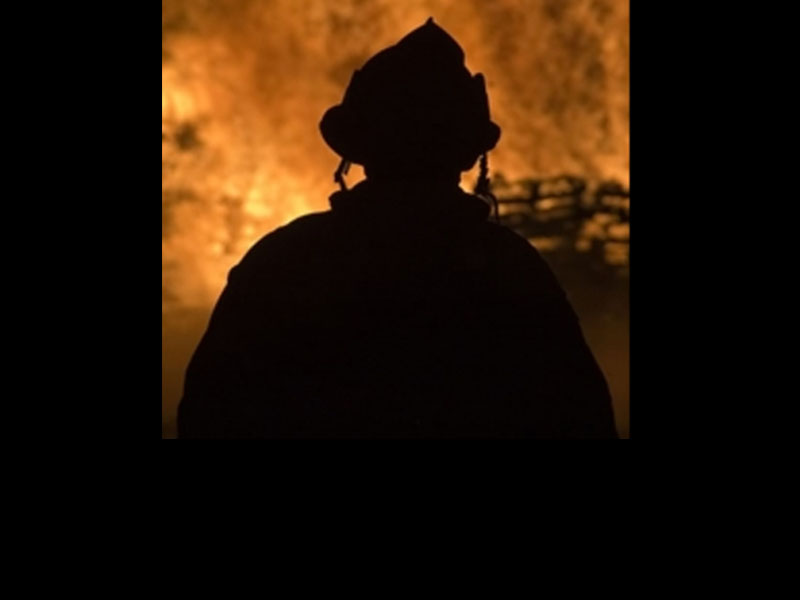
While there are multiple causes for the out-of-control wildfires, including persistent high winds, mistakes in preparation and execution by local and state officials and overdevelopment adjacent to fire-prone wildlands, scientists agree--and studies confirm--that our heating-up of the planet is driving the increasing frequency and growing intensity of wildfires, along with other extreme weather events. In this case, as Axios reported, hydroclimate whiplash-- in which increasing temperatures result in the movement from high levels of rain that increase vegetation, serving in dry periods as more kindling for fire, to periods of extreme drought that create the dry conditions that make fire more likely-- was a prime contributing factor.
GET THE LATEST BREAKING NEWS HERE -- SIGN UP FOR GOLOCAL FREE DAILY EBLAST
“Wildfires have become larger and more frequent because of climate change in the Western part of the United States,” Michael F. Wehner, a senior scientist at Lawrence Berkeley National Laboratory, told The New York Times. Even more concerning, these increases are not limited to the American West. The number of extreme wildfires more than doubled globally over the past twenty years, according to a study published in the journal Nature, Ecology & Evolution.
The LA wildfires are one more example that the negative impacts of climate change can no longer be dismissed as speculation about a far-off future; they are very much in the here and now. The extreme weather events generated by climate change are costing the United States about $150 billion a year and if we don’t take action, the overall impacts of climate change will take a big and growing bite out of our GDP over time, according to the National Climate Assessment.
In the face of these wildfires and the mounting, documented impacts of climate change, as well as the well-understood science explaining its causes--science no longer contested by the world’s largest oil companies--the incoming administration’s plan for pulling back on climate action and abandoning global climate leadership is beyond irresponsible. There is a clearly marked path with the building blocks already in place to limit the increase in global temperatures and avoid the worse consequences of global warming: accelerating the transition from carbon-producing fossil fuels to non-carbon-producing renewable energy. Unfortunately, President-elect Trump seems determined to do the opposite.
It doesn’t hurt to hope for a change of heart or at least a mild correction from the new administration, but no one should hold their breath. It will be up to the rest of us—and particularly our state and local elected officials and businesses—to once again counter destructive attempts to roll back federal policies that incentivize the transition to renewables and to step up state and local efforts to reduce greenhouse gas emissions. The LA wildfires are one more prominent example of the urgency and importance of the task ahead.