


Trump Administration’s Gaslighting Compounds Serious Security Breach - Horowitz
Rób Horowitz, MINDSETTER™
Trump Administration’s Gaslighting Compounds Serious Security Breach - Horowitz
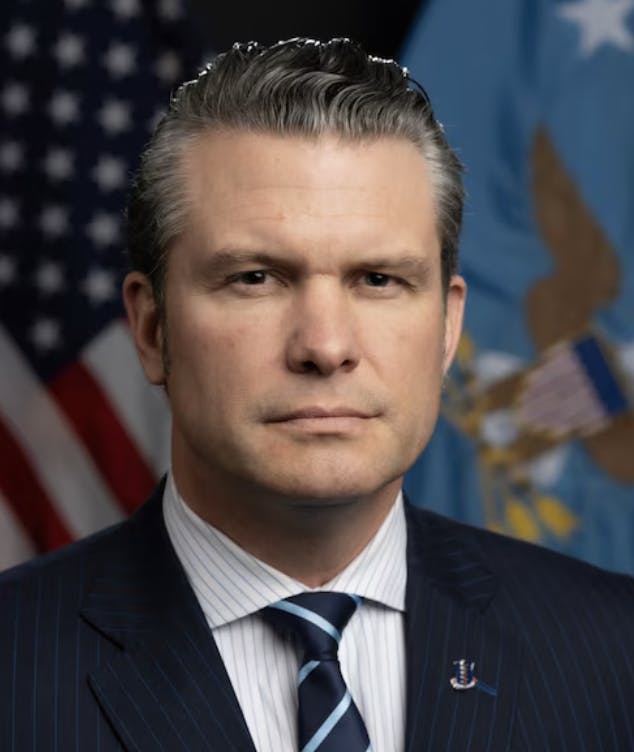
Drawing from the president’s well-worn playbook of viciously attacking the messenger, the Trump team first trained all their fire on The Atlantic’s Jeffrey Goldberg. The Atlantic’s editor-in-chief reported the story after National Security Adviser Mike Waltz inadvertently included him in the Signal chat. Their false accusations that Mr. Goldberg was lying about what he witnessed backfired spectacularly. In response to the attacks on his veracity, the highly regarded editor and reporter, who is fairly characterized as a Trump critic, released the specific attack plans that Secretary of Defense Pete Hegseth had inexplicably placed in the chat. Before the Trump administration’s all-out baseless assault on his credibility and the credibility of The Atlantic, Jeffrey Goldberg withheld that information and planned to continue to do so.
GET THE LATEST BREAKING NEWS HERE -- SIGN UP FOR GOLOCAL FREE DAILY EBLAST
Hegseth texted, “TIME NOW (1144et): Weather is FAVORABLE. Just CONFIRMED w/CENTCOM we are a GO for mission launch: 1215et: F-18s LAUNCH (1st strike package); “1345: ‘Trigger Based’ F-18 1st Strike Window Starts (Target Terrorist is @ his Known Location so SHOULD BE ON TIME – also, Strike Drones Launch (MQ-9s)” This text was sent, “31 minutes before the first U.S. warplanes launched, and two hours and one minute before the beginning of a period in which a primary target, the Houthi “Target Terrorist,” was expected to be killed by these American aircraft,” Goldberg wrote. If this information ended up in the wrong hands, the advantage of the element of surprise would have been wiped out, jeopardizing the success of the operation, and putting and our pilots in greater danger.
Plainly asking people to choose between what they could read with their own eyes in every media outlet in the land and his own misleading and blatantly false spin, Mr. Hegseth continued to play embarrassing word games even after his text became public, angrily insisting there was nothing amiss in risking the enemy learning about a surprise attack before the attack was launched.
On Meet the Press this Sunday, Senator Markwayne Mullin, a staunch Trump ally, topped off the week of gaslighting. The Oklahoma Republican told Kristen Welker that because Hegseth’s text didn’t identify the “theater of battle,” it was not only unclassified, but there was no real issue. Of course, if an adversary gained access to the text chain, all they had to do is look at the fact it was labeled the "Houthi PC Small Group" chat to know exactly who we were attacking. Despite the obvious and not very clever baloney Mullin mustered for the occasion, he was still able to keep a straight face, even delivering his nonsensical defense of the indefensible with some performative righteousness. Predictably, this earned him fulsome praise from the commander-in-chief.
The good news is the American people, who are far smarter and far less subject to manipulation than Donald Trump and his team believe, are rejecting the Trump administration’s false characterizations of the Signal chat. Nearly 3-in-4 (74%) Americans--including 6-in-10 Republicans--say the use of a Signal group chat to discuss military strikes is a serious problem, according to a YouGov poll, reported by Axios and other outlets. And 54% of registered voters and a plurality of Republicans say Pete Hegseth should resign, according to a J. L Partners-Daily Mail national poll reported by The Hill.
An administration that was bound by the truth and respected the American public would have admitted the seriousness of this mistake on day one, taking full responsibility and pledging to do better going forward. It would have publicly committed to using the secure, but less convenient methods of communication that are available to them for future sensitive national security discussions, especially those where military action is on the table.
This would not only have been the right thing to do; it would have also significantly limited the political damage. Neither our allies around the world nor the American public expects perfection from government officials, even ones serving in top national security posts. Generally speaking, people give credit to those who are willingly to straightforwardly admit mistakes and doing so builds credibility.
Instead, we were all treated to a week of insulting our intelligence and scurrying away from accountability. I hope some lessons have been learned from this debacle. If past is prologue, however, I don’t recommend holding your breath.