


NEW: Stop The Stadium Deal Drops Voter Initiative
GoLocalProv News Team
NEW: Stop The Stadium Deal Drops Voter Initiative
The purpose of the filing is to compel the City Council to bring the stadium issue to a public referendum and allow Providence voters to determine the outcome.
“If the Council doesn’t pass the ordinance unamended by that point, we will be able to force it onto the ballot by gathering signatures from five percent of Providence voters. However, given the strong public pressure, we are confident this won't be necessary," said Samuel Bell, chairman of Stop the Stadium Deal.
GET THE LATEST BREAKING NEWS HERE -- SIGN UP FOR GOLOCAL FREE DAILY EBLASTThe ordinance reads:
No stadium or athletic facility shall be a permissible use of the land designated on
May 1, 2015 as Parcel P4 in the I-195 District. Every new stadium constructed in the city of Providence after May 1, 2015 shall pay property tax at the full commercial rate on the assessed value. No public money from the City of Providence shall be used directly or indirectly to subsidize or otherwise provide any financial benefit to any new stadium.
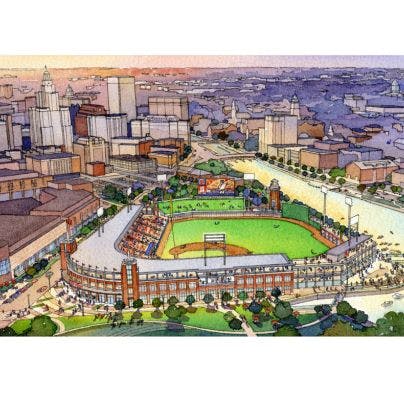
This petition was filed in response to a proposal that was submitted by the Pawtucket Red Sox ownership drop to build a professional sports stadium on the land owned by the I-195 Redevelopment District Commission and set aside to be a public park.
About Stop the Stadium Deal
Stop the Stadium Deal is a coalition of resident taxpayers throughout the state of Rhode Island who say "no to stadium deals, not on the riverfront park, no public money and no tax subsides.
PawSox Stadium Aftermath: Winners and Losers

Winner
Coalition Radio -- A small group of libertarian activists relentlessly advocated against any public financing for a private venture. Pat Ford, Dave Fisher and Tony Jones leveraged internet radio and social media to pound the project and the costs.

Loser
Speaker Nicholas Mattiello -- The Speaker was all in for the project. He repeatedly voiced his strong support for the project. Some said it was a project for his legacy and others said he supported the project as a result of influence of the ownership group and their lobbyist Bob Goldberg.
It wasn't long ago that the Speaker said the Providence Stadium would be revenue positive. In a few short weeks, the project somehow went from supposedly financially advantageous to taxpayers to DOA.

Winner
GOP -- The Rhode Island Republicans came out against the project early and kept raising questions about the cost and the approval process. Despite being in the political minority, the Republicans used their thorn-in the-side status to play the spoiler.

Loser
Old School Top Down PR Strategy -- Renderings, fact finding trips for leaders and listening tours were all the strategies embraced by the ownership team and each came back and burned them. The listening tour had higher attendance at many sites by taxpayers who were opposed to the project -- and the fact they had to write their questions down, and be lectured to in response, did not go over well by opponents.

Winner (maybe)
Pawtucket Mayor Donald Grebien -- It looked like the Mayor was a loser for sure with his city's most valuable asset moving from Pawtucket just 6 miles away to a gleaming new $100 Million project in Providence. With the Providence Stadium dead, Pawtucket has a window to try and create a proposal that improves McCoy, is financially viable and acceptable to the ownership group.
The window is very short, and Grebien will move from the winners' column to the losers' bracket if the PawSox leave RI.
As the Mayor wrote in a GoLocal MINDSETTER™ piece, "We remain hopeful that the new owners will see the value that Pawtucket has given their brand and that the growth we are experiencing will only strengthen it. We hope they will Join the Evolution here in Pawtucket."

Loser
Jorge Elorza -- The Providence Mayor was unable to put together a deal and a location that worked for taxpayers. There was -- and still may be -- an opportunity to bring hundreds of thousands of new visitors into the city annually at the 195 site.
Elorza needs to change the present narrative from crime, a decrepit recreation system, and visits to meet with Guatemalan corrupt leaders to where the city needs to be.

Winner
Taxpayers -- A coalition of taxpayer groups and activists scored their most significant political victory to date. This may spark an empowered effort to take on other issues with enthusiasm.

Loser
Public Financing of Stadiums in the US -- The dramatic defeat of the proposed stadium in Providence may cause other cities, counties and states to take a harder look at the economics of public financing of stadiums.
There is now a blueprint for how taxpayers and progressives can build a coalition to oppose a professional sports team, organized labor and billionaire ownership interests.
The PawSox defeat and the Boston Olympics collapse may speak to a broader grassroots movement opposed to the spending on public funds on private projects.

Winner
Grassroots Activists -- Multiple grassroots efforts sprang up to oppose the stadium move, and perhaps none as vocal - or visible -- as "Organizing for Pawtucket" and David Norton.
Even when a new stadium looked like it was on life support, Norton and supporters utilized both social media and traditional boots-on-the-ground techniques (read: canvassing the Speaker's neighborhood -- in Cranston) to keep the pressure on until the deal was dead.


