


The Clean Water Rule: Responding to the Public, Protecting Public Health
Guest MINDSETTER™ Curt Spalding
The Clean Water Rule: Responding to the Public, Protecting Public Health
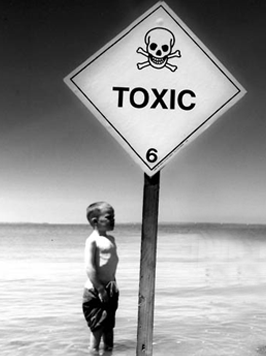
In New England, protecting our water is more important than ever, because it will help protect our communities.
With increasingly intense storms and catastrophic flooding, keeping our streams and wetlands healthy is especially critical. With extreme weather expected to intensify with climate change, healthy streams and wetlands help communities adapt by retaining moisture during droughts, absorbing floodwaters and filtering pollution.
GET THE LATEST BREAKING NEWS HERE -- SIGN UP FOR GOLOCAL FREE DAILY EBLASTPublic input shaped the rule every step of the way. For more than a decade, members of Congress, state and local officials, industry, agriculture, environmental groups, scientists, and the public called on EPA and the Army to clarify which waters are protected under the Clean Water Act, following two Supreme Court rulings that threw protections for 60 percent of our nation’s streams, and millions of acres of wetlands into question. This rule responds to those longstanding requests.
Since proposing the rule last year, EPA and the Army held hundreds of meetings with stakeholders across the country, reviewed over a million public comments, and listened carefully to perspectives from all sides. All of this input shaped and improved the final rule.
Here are a few important things to know about the rule:
Science shows us which waters are most important to protect. We know far more today about how waters connect to each other and how pollution harms our health than we did when the Clean Water Act passed 43 years ago.
In developing the Clean Water Rule, the Agencies reviewed more than 1,200 peer-reviewed, published scientific studies that clearly showed which waters are most important to protect. We know the lakes, rivers, and coastal waters we love can’t be clean unless the streams and wetlands that feed them are clean, too. This rule clarifies the protection of these waters.
Again, public input shaped changes to the final rule. Below are some common questions we heard about what the rule will and won’t do.
The rule will… protect vulnerable streams and wetlands. EPA and the Army are making sure the waters protected under the Clean Water Act are easier for businesses and industry to understand, more predictably determined, and consistent with the law and the latest science.
The rule will not… protect any new types of waters not historically covered under the Clean Water Act. It will not regulate new types of ditches, will not apply to groundwater, and will not change or create any new permitting requirements for agriculture. The Clean Water Rule deals with the pollution and destruction of waterways—not land use or private property rights.
The agencies thank everyone for their input, and believe that together, we’ve achieved a protective, workable final rule. Learn more here.

20 Rhode Island Facilities With The Most EPA Fines

#20
Central Landfill Resource Recovery Plant, Johnston
Total Penalty Amount: $74,432
Latest Penalty Amount: $15,000
Quarters out of compliance: 3

#19
Durham School Service, Johnston
Total Penalty Amount: $90,000
Latest Penalty Amount: $90,000
Quarters out of compliance: 0

#18
T Miozzi, Inc., Coventry
Total Penalty Amount: $94,800
Latest Penalty Amount: $23,700
Quarters out of compliance: 0

#17
Blount Marine, Warren
Total Penalty Amount: $96,000
Latest Penalty Amount: $24,000
Quarters out of compliance: 7

#16
Honeywell Sensing & Control, Woonsocket
Total Penalty Amount: $98,675
Latest Penalty Amount: $98,675
Quarters out of compliance: 0

#15
Schnitzer Northeast Metals Recycling
Total Penalty Amount: $100,000
Latest Penalty Amount: $100,000
Quarters out of compliance: 6

#14
Clariant (closed), Coventry
Total Penalty Amount: $105,000
Latest Penalty Amount: $105,000
Quarters out of compliance: 12

#13
Northland Environmental, Providence
Total Penalty Amount: $120,619
Latest Penalty Amount: $58,278
Quarters out of compliance: 12

#12
American Shipyard, Newport
Total Penalty Amount: $124,000
Latest Penalty Amount: $31,000
Quarters out of compliance: 0

#11
New England Boatworks Eastern Passage Yachting Center, Portsmouth
Total Penalty Amount: $126,000
Latest Penalty Amount: $31,500
Quarters out of compliance: 0
#10
Ocean State Transit, South Kingstown
Total Penalty Amount: $140,000
Latest Penalty Amount: $35,000
Quarters out of compliance: 0

#9
RI Air National Guard 143rd Airlift Wing, North Kingstown
Total Penalty Amount: $157,600
Latest Penalty Amount: $35,000
Quarters out of compliance: 3

#8
Newport Water Polution Control Facility, Newport
Total Penalty Amount: $170,000
Latest Penalty Amount: $170,000
Quarters out of compliance: 12

#7
Cintas Corporation, Cumberland
Total Penalty Amount: $200,000
Latest Penalty Amount: $50,000
Quarters out of compliance: 0

#6
Metachem Resins Corp (Mereco), West Warwick
Total Penalty Amount: $240,000
Latest Penalty Amount: $60,000
Quarters out of compliance: 12

#5
Calise and Sons Bakery, Lincoln
Total Penalty Amount: $281,000
Latest Penalty Amount: $6,000
Quarters out of compliance: 12

#4
CVS, Woonsocket
Total Penalty Amount: $300,000
Latest Penalty Amount: $300,000
Quarters out of compliance: 2

#3
TPI Composites, Warren
Total Penalty Amount: $300,000
Latest Penalty Amount: $100,000
Quarters out of compliance: 12
#2
Promet Marine Services, Providence
Total Penalty Amount: $485,000
Latest Penalty Amount: $195,000
Quarters out of compliance: 12

#1
Copar Quarries of Westerly, Westerly
Total Penalty Amount: $20,090,498
Latest Penalty Amount: $1000
Quarters out of compliance: 2


