What You Need to Know About the COVID Spike in Rhode Island - 5 Important Facts
GoLocalProv News Team and Dr. Michael Fine
What You Need to Know About the COVID Spike in Rhode Island - 5 Important Facts
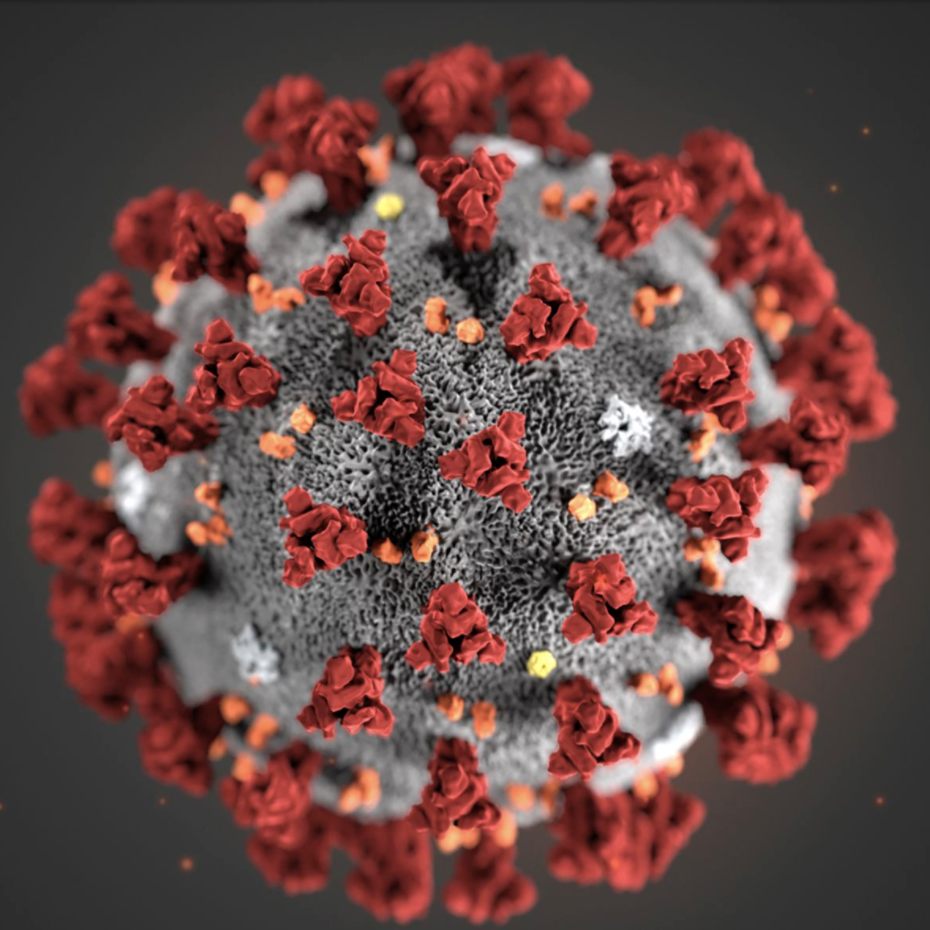
GRAPHIC: CDCWhile Governor Dan McKee and the Rhode Island Department of Health have yet to implement any COVID restrictions during this upswing, we have identified five critical trends and the corresponding steps Rhode Islanders should take to minimize contracting COVID.
Dr. Michael Fine warns that the transmission rate is high and increasing quickly.
“It's nuts. I think it's basically doubled in a week and I don't see anything that's going to slow it -- this will march forward unless we do something to change it and I don't see us doing that at all,” said Fine, the former Rhode Island Director of Health.
SEE FULL INTERVIEW BELOW
“People need to mask inside. Everybody just needs to mask inside, that's as simple as I can put it. People should be staying away from large events," added Fine.
2) Protect the Elderly
The elderly are at the greatest risk. And, the vaccine provides little protection for those over age 80.
“We're going continue to see hospitalizations - deaths lag a couple of weeks, but now we're over 200 people in the hospital and I really fear that we're going to start looking at eight to ten deaths a day over the next two or three weeks. It's a heartbreaker,” said Fine.
He warns especially those over 80 years of age are at tremendous risk and should “cocoon.” Fine says they should not be out shopping and warns about family events in which people attend who have not tested that day with a home test and urges people to wear masks around the elderly inside."
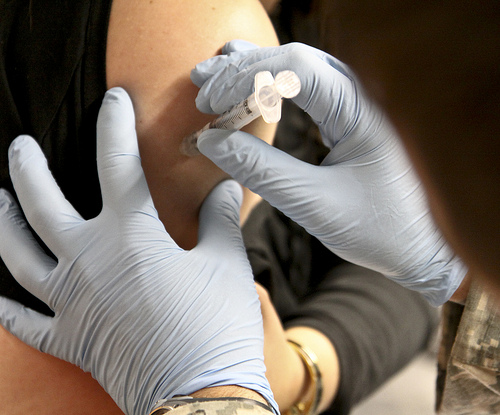
Less that 40% of RI are truly fully vaccinated.3) Who Is Really “Fully” Vaccinated in Rhode Island. Get a Booster.Less than 40% of Rhode Islanders are fully protected by the vaccines. Only those who have received both shots since early June or those who receive both shots and have received a booster shot are considered "fully" vaccinated.
4) Avoid Getting Infected. You Don't Want to Be a Long-hauler
The impact of COVID extends far beyond the initial infection, even for the young and those who had mild cases.
A study from the University of Washington published in February found that 32.7% of COVID-19 outpatients developed long-haul symptoms and 31.3% of hospitalized patients became long haulers.
In Rhode Island, there have now been 200,197 positive cases since March of 2020. Therefore, upwards of 60,000 Rhode Islanders are suffering health impacts from the virus for months. According to the CDC, the most common lasting symptoms are fatigue, shortness of breath, cough, joint pain, and chest pain. Other issues include cognitive problems, difficulty concentrating, depression, muscle pain, headache, rapid heartbeat, and intermittent fever.
5) Get a Home Test and Use It Before Going to Group Events
While vaccinations decrease the chance of hospitalization and death, it does not stop an individual from carrying the virus or transmitting it. If you are getting together for social or work gatherings take a home test and if test positive, then do not attend.
Enjoy this post? Share it with others.
Translation service unavailable. Please try again later.