Saving Pawtucket One Project at a Time – Architecture Critic Will Morgan
GoLocalProv
Saving Pawtucket One Project at a Time – Architecture Critic Will Morgan

Thinking local is also a good way to plan. It is folly when cities like Providence and Pawtucket put too much faith in single, grand projects that claim to secure their futures, such as Fane Tower or minor league stadiums.
GET THE LATEST BREAKING NEWS HERE -- SIGN UP FOR GOLOCAL FREE DAILY EBLAST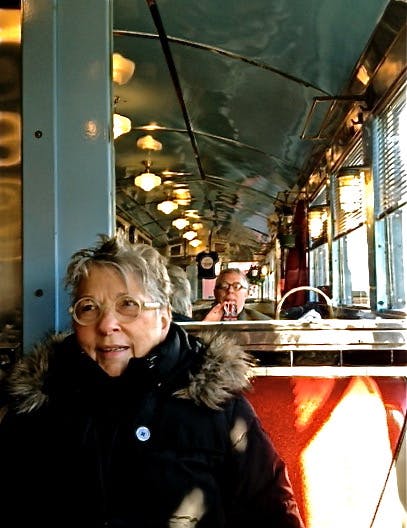
Who, for example, does not love a diner?
Pawtucket’s perennially popular Modern Diner, a Sterling Streamliner built in 1940, is one of a half dozen surviving diners produced by the Merrimac, Massachusetts factory just prior to World War II. That Pawtucket eatery was the first diner listed on the National Register of Historic Places.

A newcomer to the railroad-car dining scene is the Miss Lorraine Diner on Mineral Spring Avenue. This 1941 Worcester Streamliner was manufactured by the Worcester Lunch Car Company; it was their top-of-the-line model.
Originally located in Hartford, this diner was moved from Connecticut by Jonathan Savage, a lawyer, developer, and owner of the 1866 Lorraine Mills, a beehive of creative activity with its studios, small business, and live/workspaces.
Savage's loving restoration took almost a decade. Now the upholstered red vinyl booths, mahogany woodwork, mosaic tile floors, and sunburst stainless steel backsplashes recreate a delightfully nostalgic atmosphere.
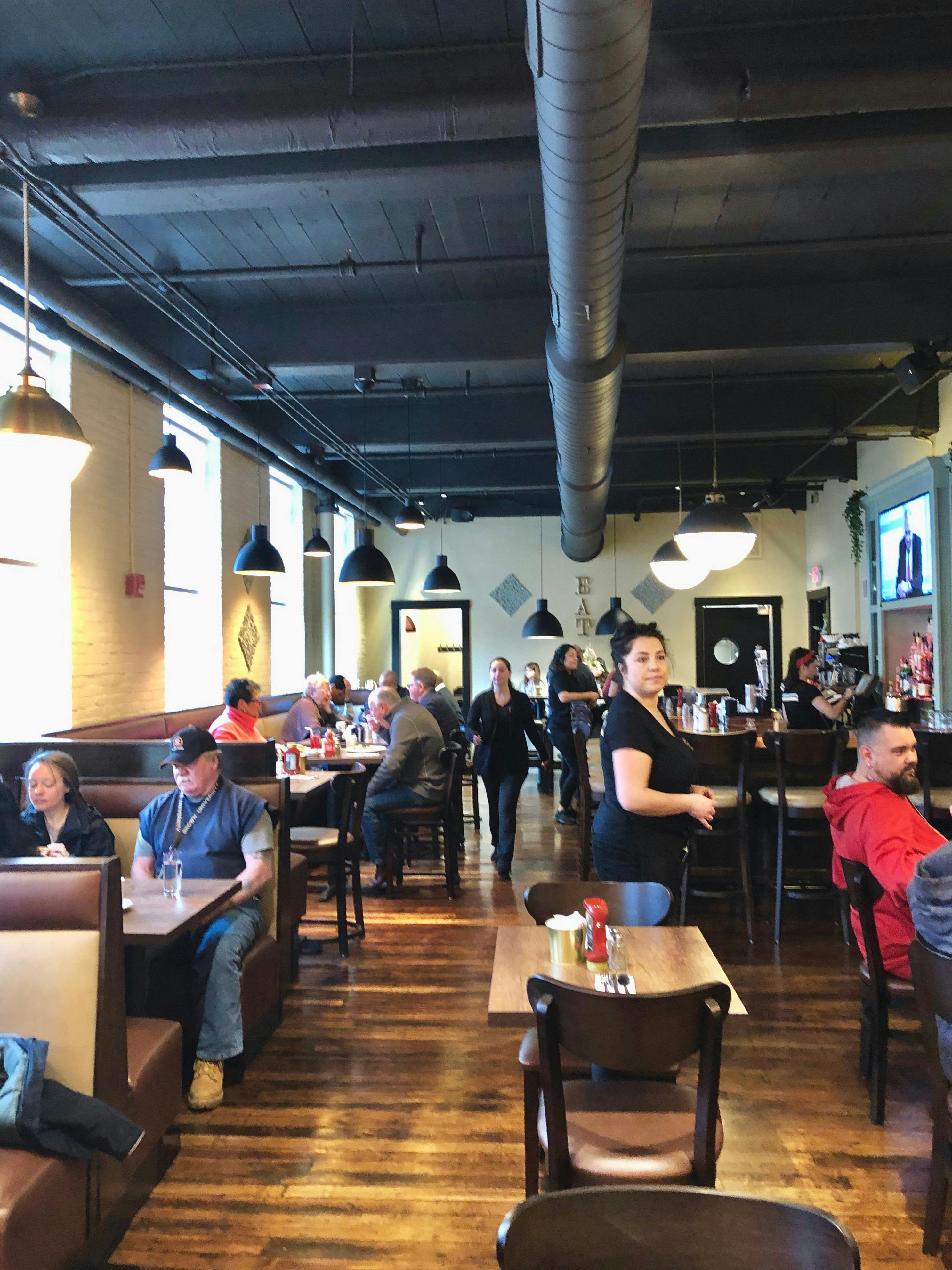
Behind the aura of the Andrews Sisters-on-the-jukebox ambience of the diner, there is a companion restaurant in the mill building itself. This handsome high ceiling space, with its copper bar, and exposed heating ducts, is an elegant as the diner is retro.
Another place that brings people together is a park.
Payne Park, which underwent a major renovation, is, according to landscape designer Tim Gerrish, the "only green space" in Woodlawn, perhaps Pawtucket's densest neighborhood.

The triangular park bounded by Jefferson and West Avenues and Randall Street, underwent a major upgrade in terms of facilities (new benches, fencing, lighting, surfacing) and colorful design additions by Gardner + Gerrish Landscape Architects.

That Payne Park won the American Planning Association's Outstanding Public Space Award is less important to the community than their enthusiastic attendance here in good weather–least of all the "midnight" basketball league that uses the bright blue courts.

Also on the west side of Pawtucket, just north of Interstate 95, is a creative home renovation that while private, serves as demonstration of richness of Pawtucket's vintage housing stock and the potential for its development.

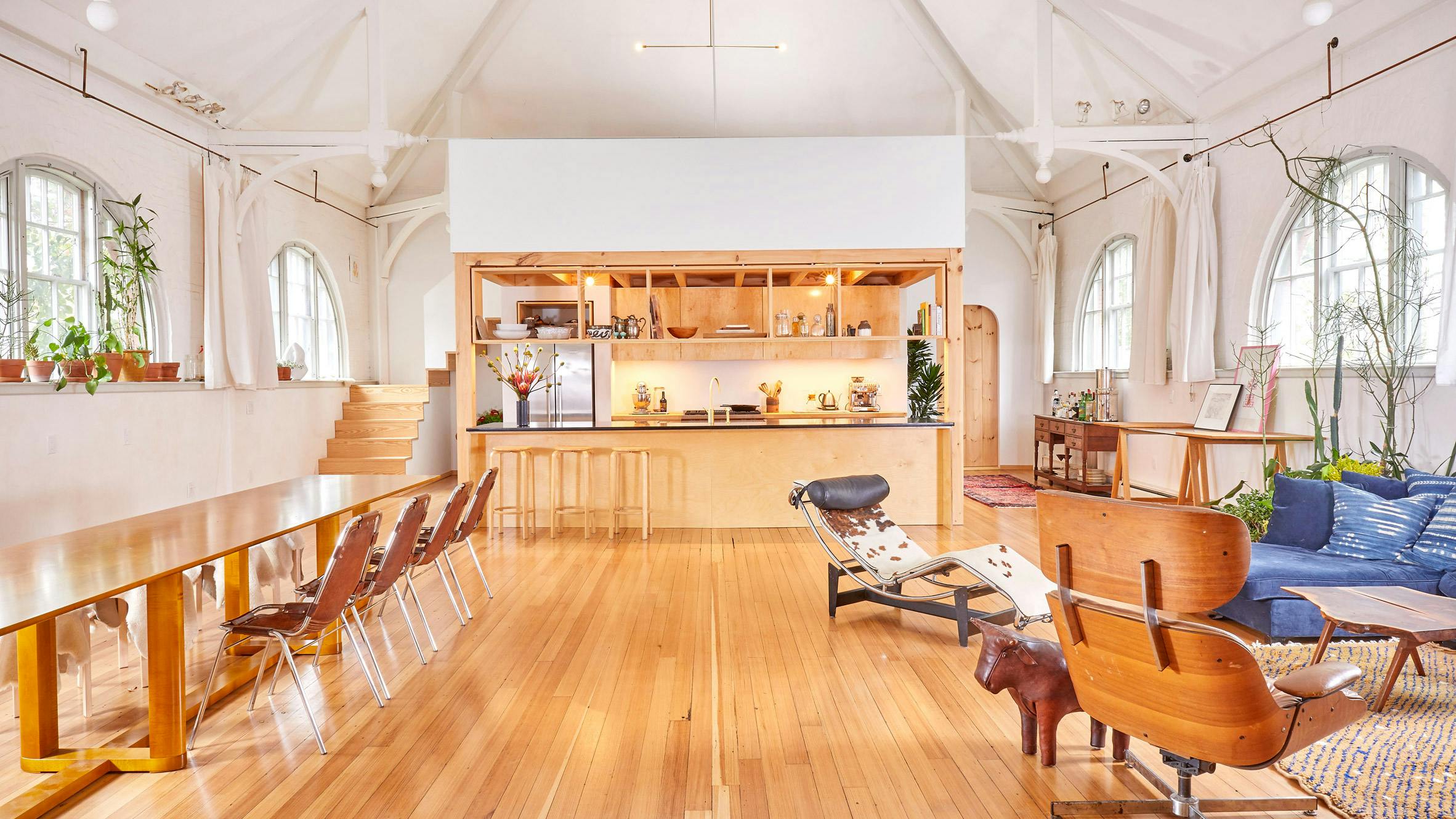
Ward House, interior. Furnishings by local designers and furniture makers, particularly RISD graduates.
Laurenzi's imaginative design solution–what she calls "new intervention"–caught the eye of Dezeen, the influential London-based design blog.
In making cities livable, as with getting through the virus, the best hope is not so much an instantaneous silver bullet as, say, massive urban renewal. But, as with innovators creating ventilators with 3-D printers, a city can be re-built one good project at time.