Saving the Bascule Bridge: Architectural Critic Will Morgan
William Morgan, GoLocalProv Architectural Critic
Saving the Bascule Bridge: Architectural Critic Will Morgan

The reaffirming but not so surprising success of the new pedestrian bridge over the Providence River should give encouragement to finally doing something about saving the bascule bridge over the Seekonk River and making it an active contributor to our city.
After almost half a century of abandoning the New Haven Railroad bridge, let's stop asking how we can hold off its demolition. We should be asking is how can we NOT rescue the bascule.
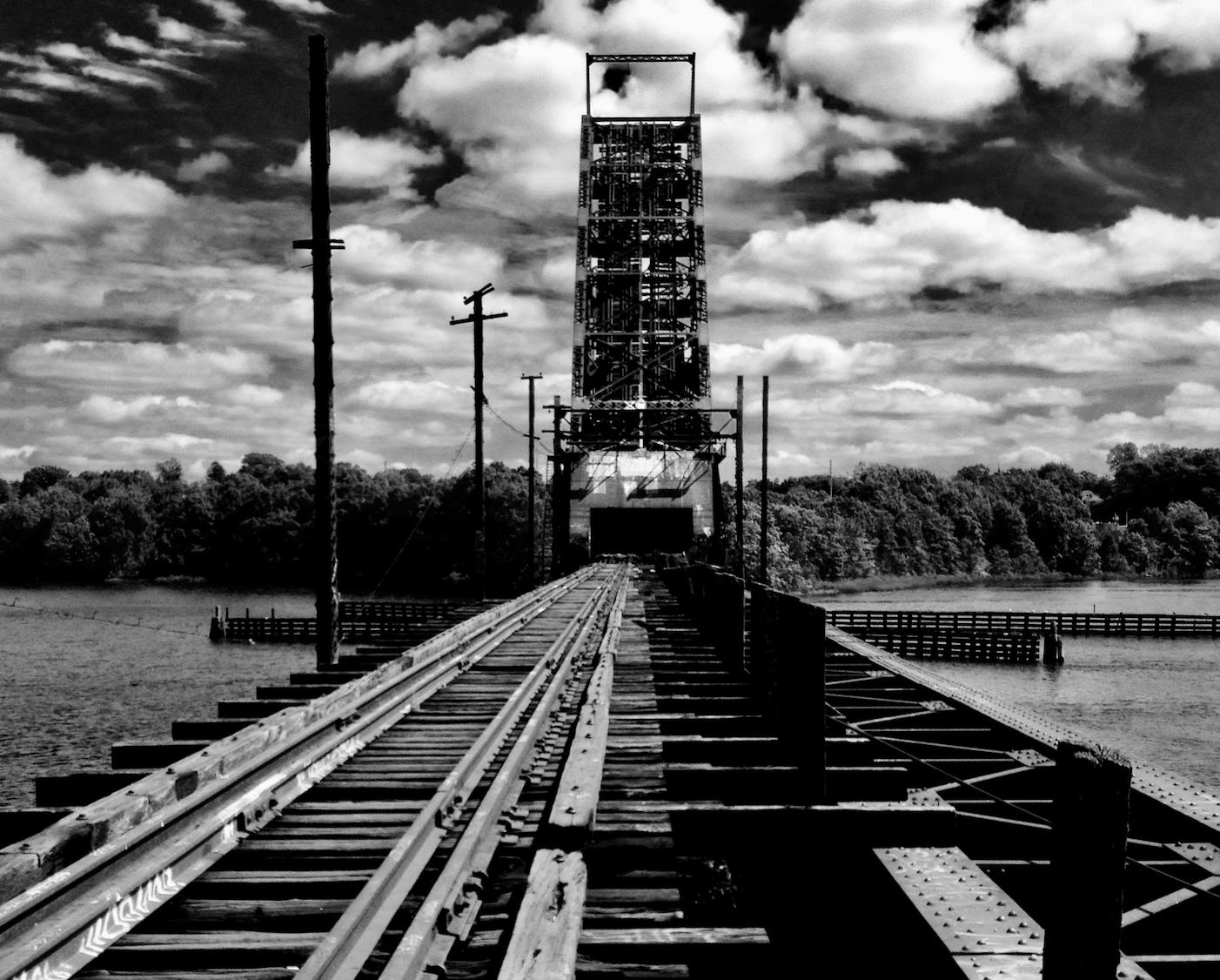
GET THE LATEST BREAKING NEWS HERE -- SIGN UP FOR GOLOCAL FREE DAILY EBLASTBuilt-in 1908 by the Scherzer Rolling Lift Bridge Company of Chicago, the rail link to East Providence symbolizes a time when Providence was one of the nation's leading industrial commercial and manufacturing cities.
Some architects rightly argue that such industrial architecture is the American equivalent of Europe's cathedrals; certainly the Crook Point Bridge has become an icon, a familiar and beloved sculptural element of our historical shoreline.
Although there are those who claim the bascule bridge now represents a decaying city, what it represents is a glorious opportunity for Providence to show just how innovative we are.


A light rail or bus path seems logical given the commuter traffic into Providence, but the bascule renovation should offer more–something larger, bolder, and more fun, something as dramatic as New York's High Line.
Beneath its mantle of rust, the bascule bridge offers a superstructure waiting to be transformed into an urban design success story, limited only by our adventurous imagination and collective will.
The steep angle of the stuck-open bridge would lend itself to all sorts of sporting and recreational possibilities: A ski slope? A giant water slide? A climbing gymnasium? A rowing center?
But with Providence's architectural know-how it would be possible to transform the old railroad crossing into a tower of power: offices with a fabulous view for a Brown engineering lab, architectural studios for RISD, a Rhode Island film institute, or a estuarine think tank.


One can hardly imagine a more dramatic location, avoiding the traffic snarl of the proposed hostelry for Angell Street, and with a possible rail link to Thayer and North Main Streets.
An advantage of a hotel would be that the bridge could be sold to a wealthy hotel corporation looking for a signature property.
An architecturally sensitive developer might want to take on the bridge for a like-nowhere-else housing complex employing innovative pre-fabricated technology.

Instead, how about a national or even international competition to decide the fate of the bridge?
We would require a well-managed contest, one open to select designers–or to every American over 18, like the Vietnam Memorial competition, which was won by an unknown Yale undergraduate from Athens, Ohio.
That seminal Washington competition was privately funded, but at this stage the important thing would be Rhode Island and the City of Providence welcoming ideas for the bascule bridge from all over.
We could seriously claim the mantle of the Creative Capital.
The State, perhaps the city and maybe some private foundations would underwrite the contest, pay a respected competition organizer, hire a competent publicist, and award prizes for the finalists.
What happens next depends upon the choice of winners, and the government and community's willingness to float bonds or encourage inspired developers.
While we ought to get an exciting solution for the Crook Point Bridge, we will have already garnered publicity for our design leadership, as keepers of the past and brave champions of the future.