SLICE: The Inhabited Facade – Architecture Critic Will Morgan
William Morgan, GoLocalProv Architecture Critic
SLICE: The Inhabited Facade – Architecture Critic Will Morgan

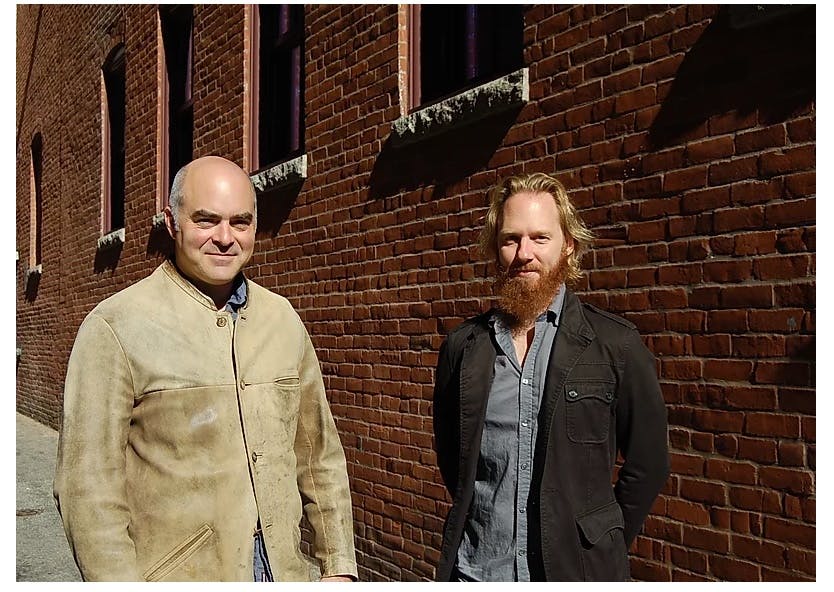
SLICE: The Inhabited Facade is a sensible proposal for saving our urban fabric by Ian Baldwin and Jonathan Bell of Dual Studio. It is another instance of the power of smart thinking small.
GET THE LATEST BREAKING NEWS HERE -- SIGN UP FOR GOLOCAL FREE DAILY EBLAST
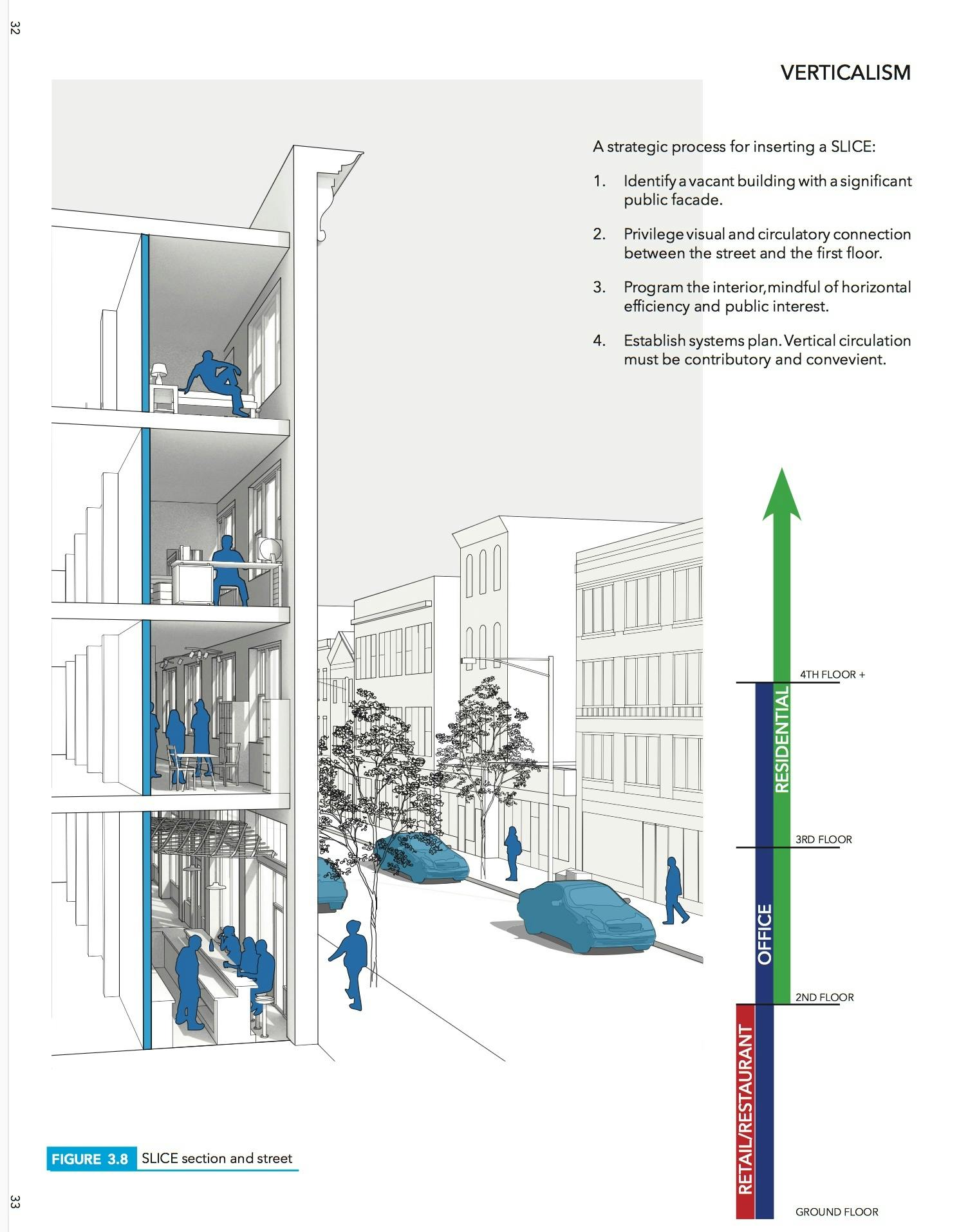
Simply put, the SLICE concept constructs shallow, usable spaces behind a building's facade. "Front-loading," the architects argue, means that while avoiding the large investment of rehabilitating an entire structure, a once fallow building can offer a visually rewarding and economically viable presence.
The book provides a good review of such topics as adaptive re-use and historic preservation within the broader American context. Successful "Slice" projects in Pittsburgh, Vancouver, New York and Philadelphia, are shown, but the exemplary role is played by Providence.
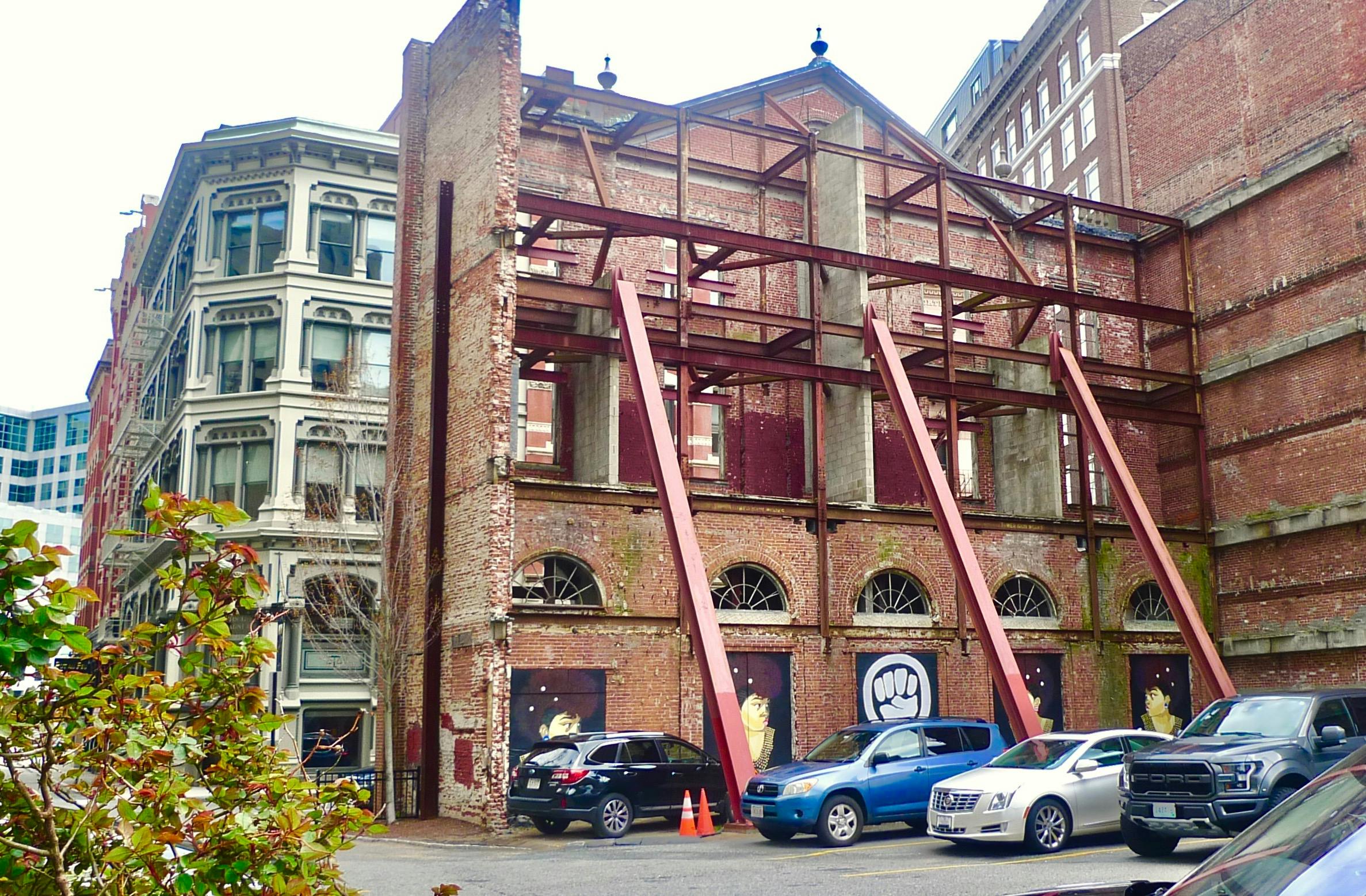
Here, the skin of a1950 Georgian revival bank was saved when a multi-story hotel was to be inserted next to the Arcade in 2005. The authors call this "a well-mannered but unremarkable bank building," and its preservation "an unimaginative and expensive token that only reinforces the aggressive scale" of the projected hotel.
"What if an additional 12 feet behind the facade" had been retained using the SLICE template, thereby adding three floors of activity to Weybosset Street?
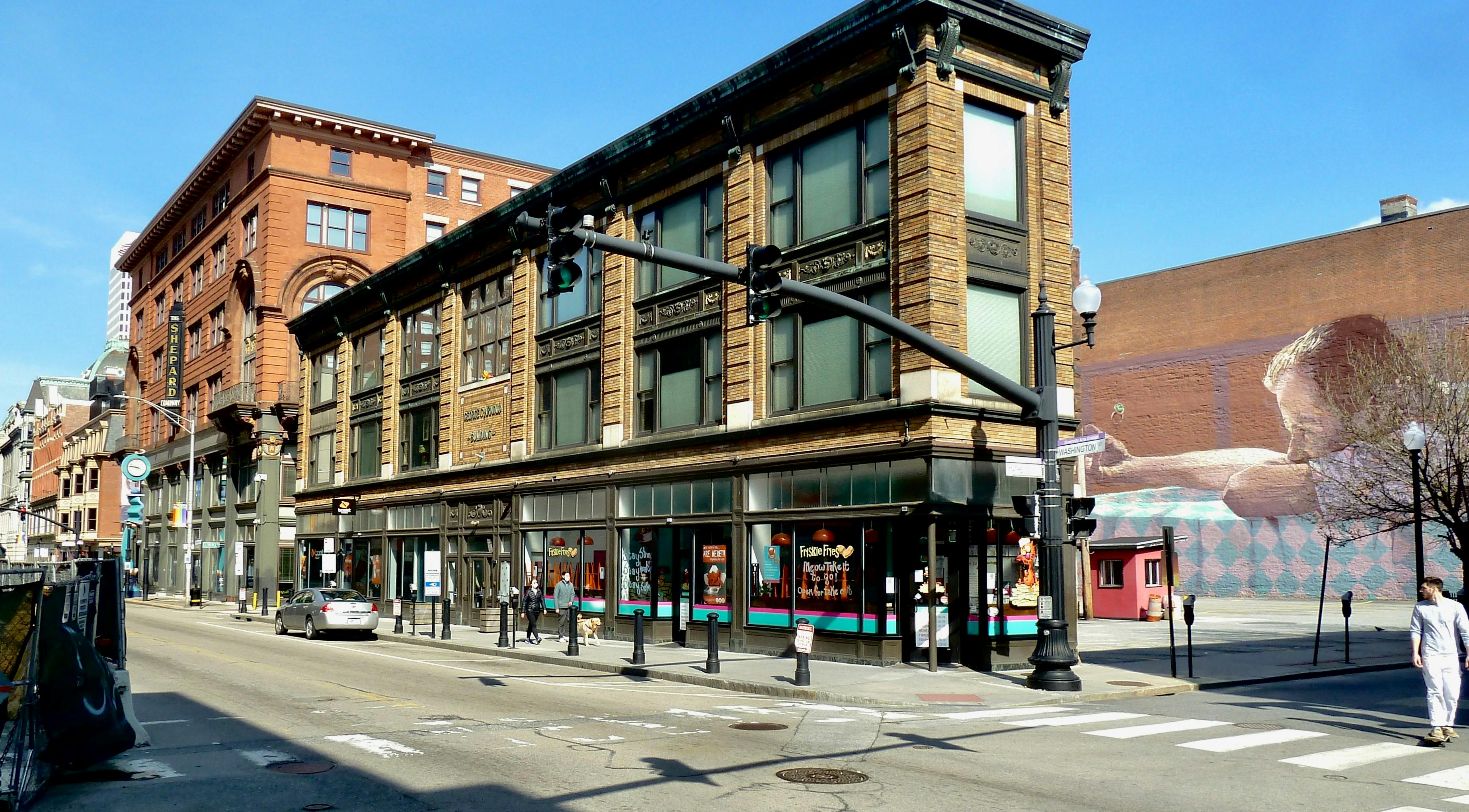
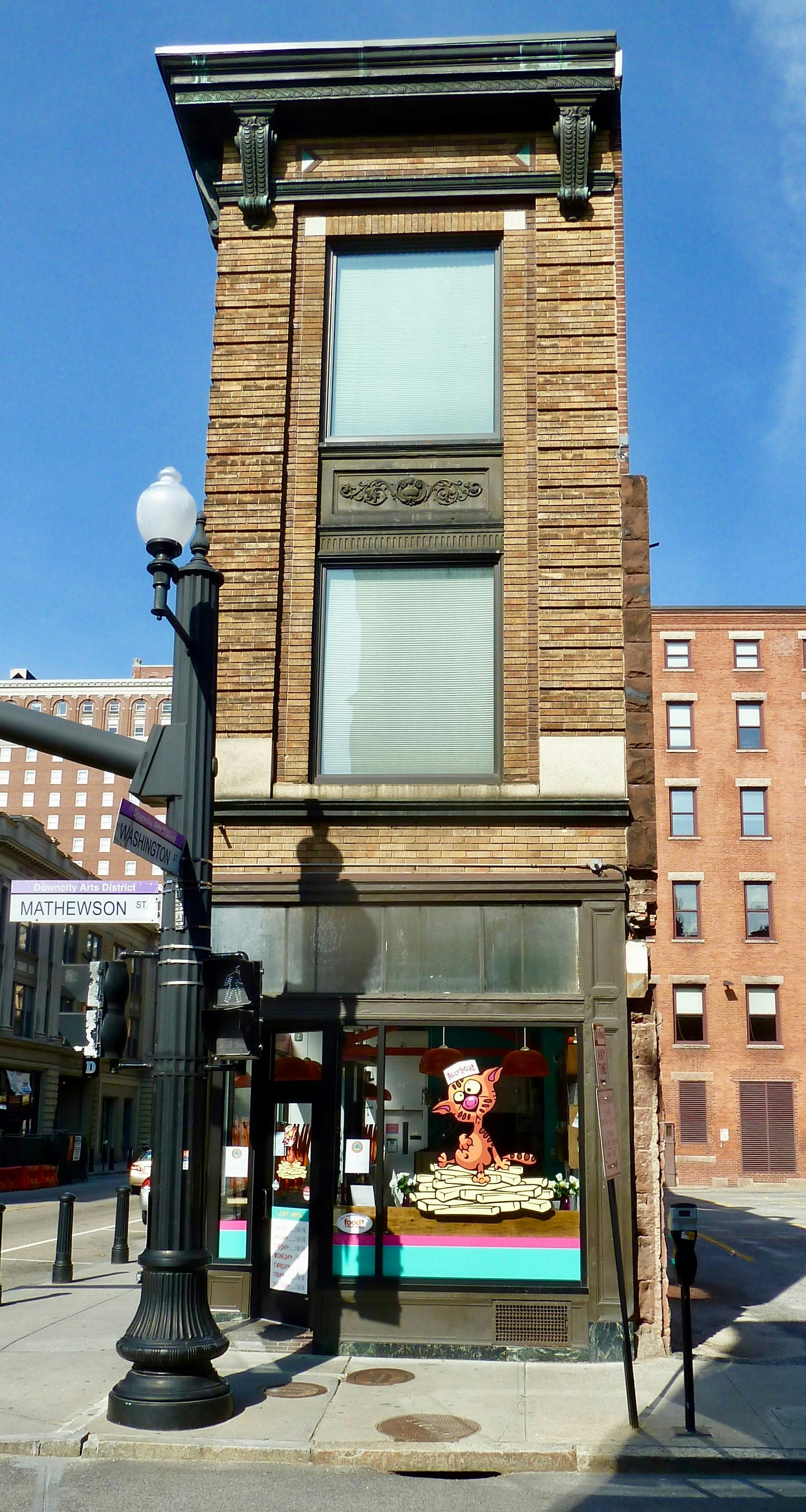
Building upon these examples, SLICE deals with a variety of issues from aesthetics to building codes; there are discussions of how this approach creates less expensive real estate, as well as "living billboards for redevelopment of the entire property." In other words, The Inhabited Facade offers a practical and much needed downtown revitalization tool.

Not glitzy starchitects or well-heeled developers, the designers who conceived SLICE, working out of an industrial space on West Washington Street recall two research and development teams at Conagra in Omaha back when Providence businessman Stephen Key was the agricultural conglomerate’s CFO. Conagra's "frozen" department had a brand new $250 million laboratory, while the research area devoted to "grain" was in "a terrible part of town in a facility at looked like it was in need of a teardown." Yet, as Key recalls, because "grain" had the best nutritional scientists, almost every breakthrough from Conagra in that period "came out of that lousy looking overcrowded facility."