The Mauling of Thayer Street: Architecture Critic Morgan
Will Morgan, Architecture Critic
The Mauling of Thayer Street: Architecture Critic Morgan
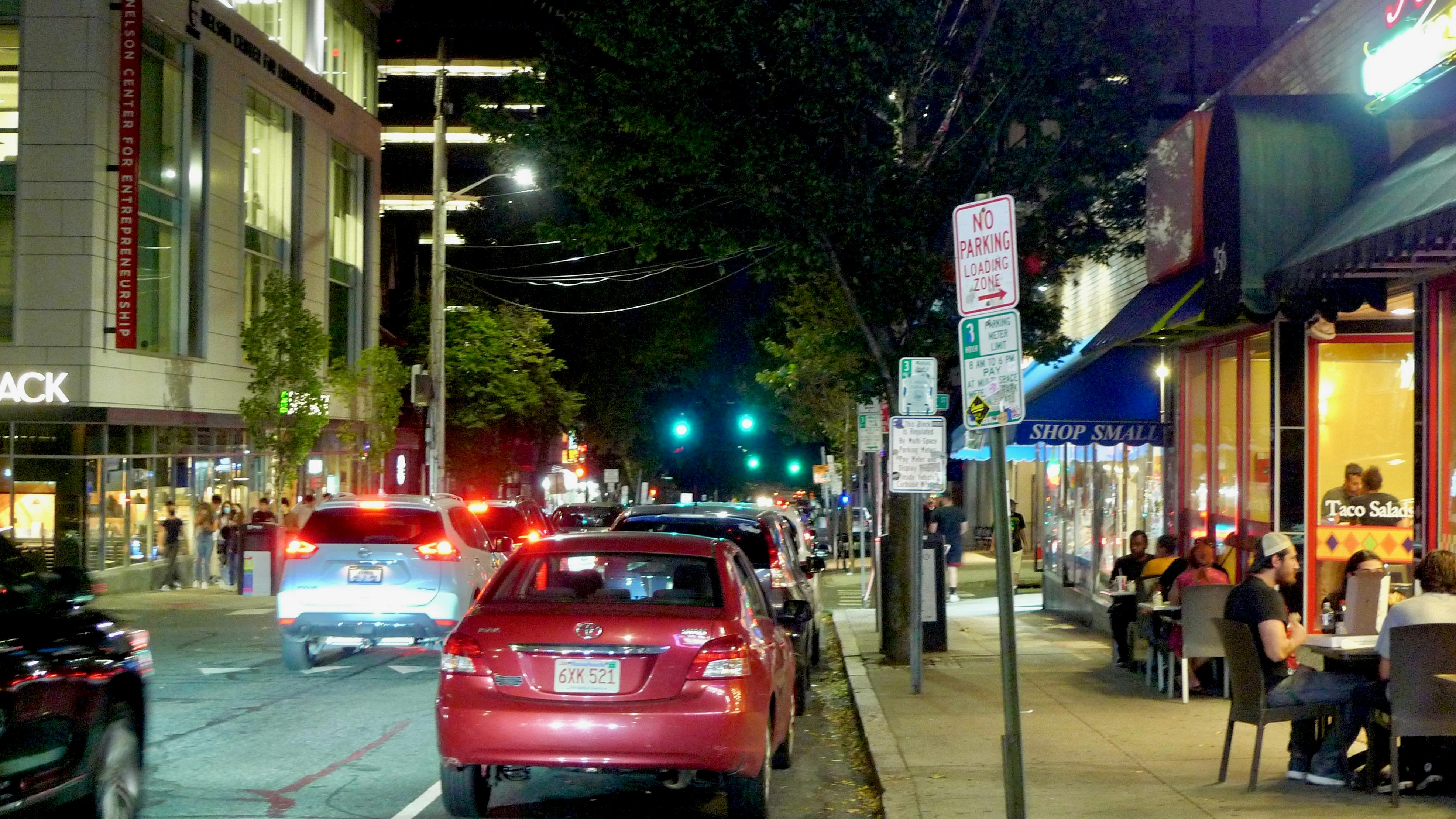
Thayer Street "is a vibrant and constantly evolving area," according to the Providence-Warwick Convention & Visitors Bureau. "The neighborhood caters to the college crowd but it also beloved by academics and locals." The Bureau continues, "Thayer consistently refreshes its offerings to stay current and engaging in the community." That statement is six years old, causing one to wonder if anyone from the Convention Bureau has been back to Thayer Street since. A more accurate description of Brown’s once appealing commercial area would describe it as a seedy slice of Times Square.
The college strip has always been a mixed delight for the city watcher. Anytime Carolyn and I were traveling across the country, we would head for a university town, hoping for an oasis in a desert of fast food and sameness. We reasoned that campuses invariably had an area close by where you could get a good pizza, and in years past, find a health food store, tobacconist, a florist, a vintage clothier, and a good bookstore.
GET THE LATEST BREAKING NEWS HERE -- SIGN UP FOR GOLOCAL FREE DAILY EBLAST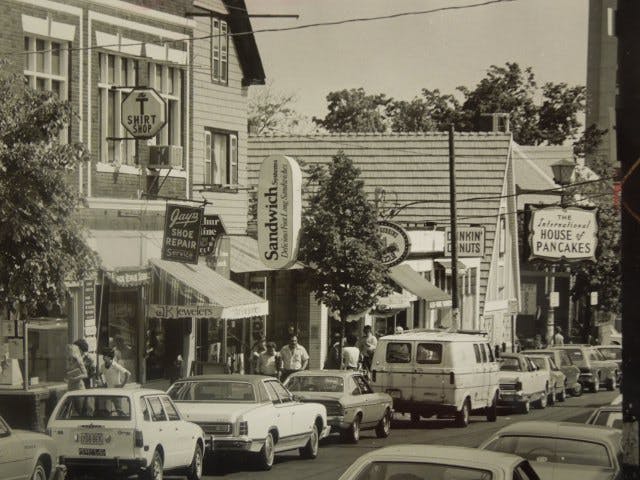
Today, one must search earnestly for locals and academics on Thayer Street, especially at night, when the street is jammed with teenyboppers who might otherwise be found at a suburban mall. And, of course, the Corso de Thayer, where the rivalry between crotch rockets and Harley-Davidsons means one's hearing is subject to meltdown. Insomnia Cookies refused my cash one night recently, because specie in a till is a temptation for robbers.

Of course, streets evolve, but the trashification of Thayer Street has moved at an astonishing pace. My first story for GoLocal, "Architectural Triumph on Thayer Street," was a review of Brown's New Pembroke Dormitories. This complex, designed by the radical San Francisco firm of MLTW, beat out 669 other competitors for Progressive Architecture's top design for 1970; later, New Pembroke received the American Institute of Architects 25 Year Award. That bit of design genius was well suited to a time of optimism and promise.
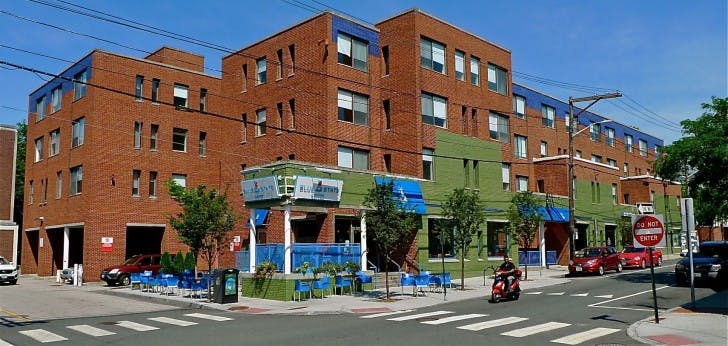
Compare this nationally recognized, award-winning triumph of university and community cooperation with the apartment block at 257 Thayer. Although designed by Union Studios, a firm that can do decent New Urbanism, this contemporary tenement is nothing but a Ubiquibox with a few cutesy details. It does address the growing student-housing problem on the East Side, but it adds little to the neighborhood and does nothing to visually enhance the neighborhood.

Granted, Thayer Street was always more boardwalk than boulevard, but now it seems to be sinking under the weight of national franchises that are pushing out smaller self-owned businesses. Greed subverts the very qualities that made Thayer Street a draw to begin with. This is one of the tragic ironies of the beauty of an Ivy League campus in an historical setting: it attracts students and visitors from all over, sowing the seeds of its decline, or perhaps killing of the goose that laid the golden egg.
Have the merchants association, the college, or the city consider what happens when Thayer Street implodes with more bad buildings, more fast food, and more decibels? Yet much of the blame should be laid at Brown's door. Twenty years ago saw the start of a cooperative town-gown venture to make the street look better. Thayer Street Revival faltered, however, in part because Brown did not wish to be seen as taking over and thus kept its distance. No more.

Brown is changing the landscape of College Hill with the scale of new developments, such as the new Wellness Center on adjacent Brook Street (built where half a dozen Queen Anne residences stood), can only increase congestion on Thayer. Thayer Street is an example of Brown's failure to understand its responsibility to the city and neighborhood whose attractiveness nurtures the academy–there is more to a modern university than endowment, enrollments, and expansion. Instead of exploring innovative solutions, such as expanding in East Providence, Pawtucket, or Smith Hill, it seems intent on just plunking down aggressively anti-neighborhood behemoths, such as the Performing Arts Center and the proposed Brook Street dorms.
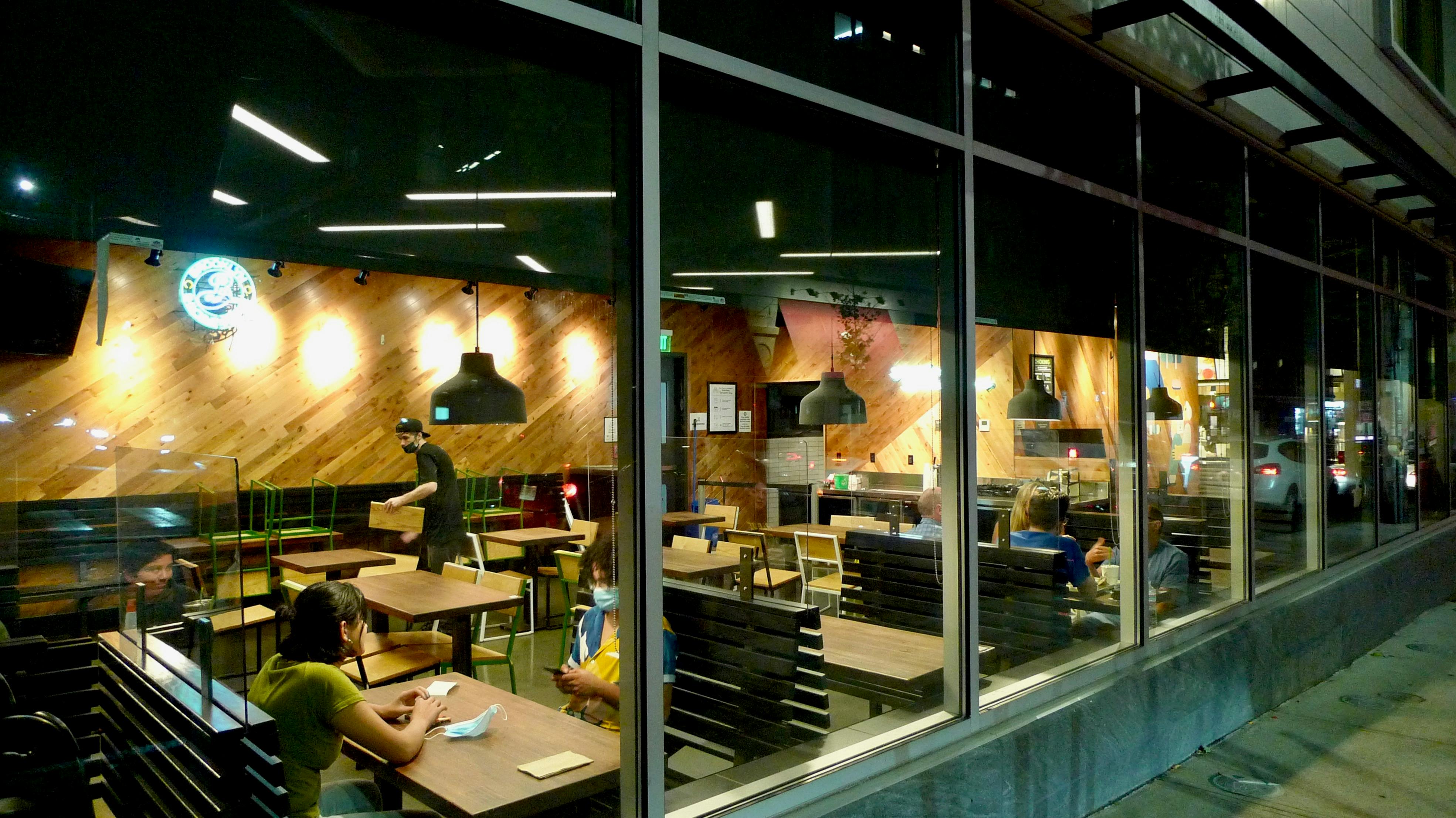
Consider President Paxson's comments about the Nelson Entrepreneurial Center, when she called it an example of Brown creating spaces where students can, "hatch ideas, launch ventures, and hone entrepreneurial skills." So, the university will attract the best minds to work in a Ubiquibox with a Shake Shack on the first floor? Surely this is not the idyllic image of the renowned university on the hill for which parents are shelling out more than $70,000 a year?