Can Wickenden Street Remain Funky? – Architecture Critic Morgan
Will Morgan, Architecture Critic
Can Wickenden Street Remain Funky? – Architecture Critic Morgan
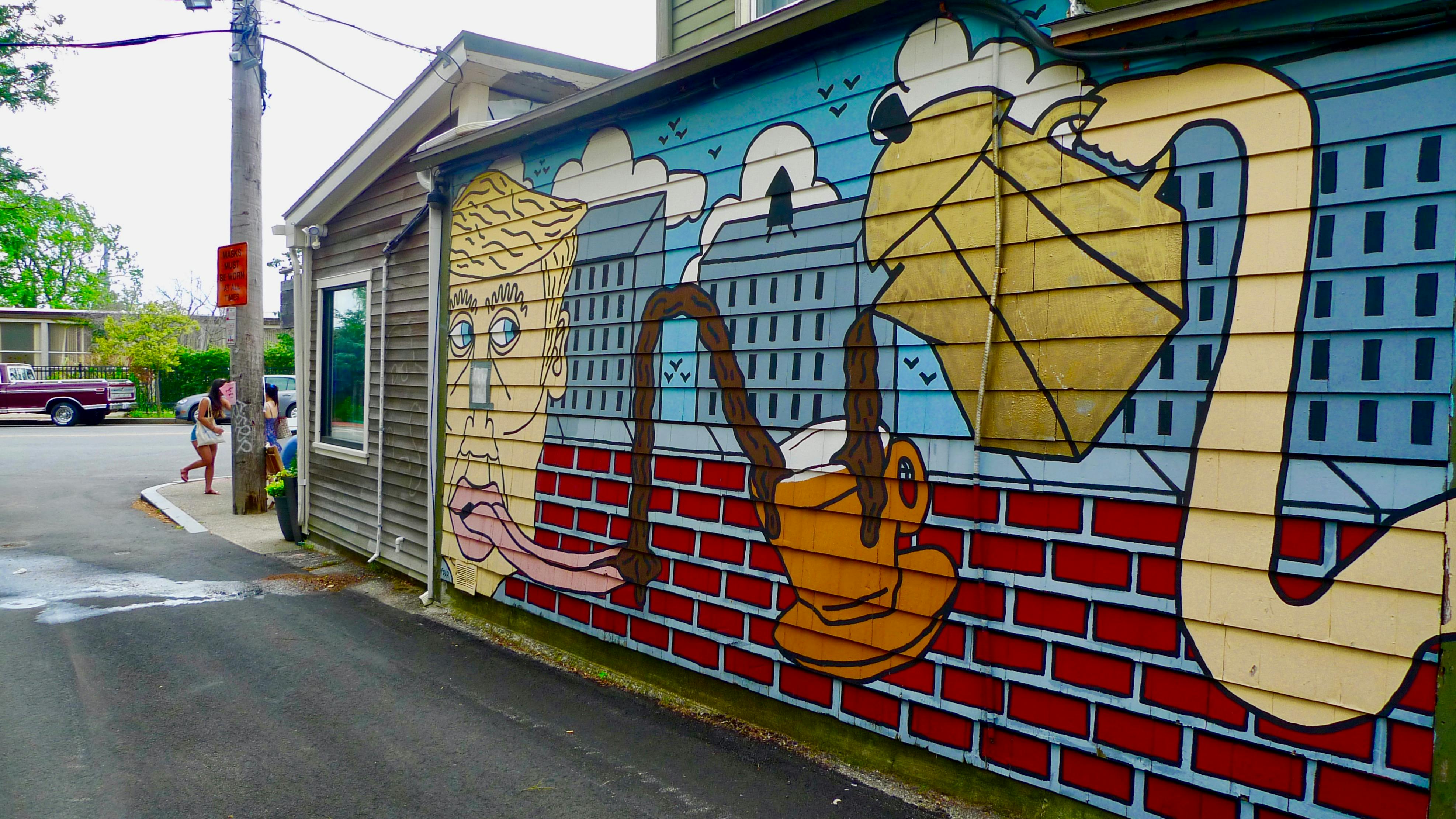
Wickenden is one of Providence's liveliest streets. On a summer day, especially after the long restrictions of the pandemic, the ribbon of commercial buzz between the Providence and Seekonk Rivers is overflowing with people strolling, antique shop browsing, and doing what city dwellers seem to like best, drinking coffee, eating, and enjoying each other's company.
GET THE LATEST BREAKING NEWS HERE -- SIGN UP FOR GOLOCAL FREE DAILY EBLAST

But Wickenden is different from the other East Side neighborhood main drags of Thayer, Hope, and Ives Streets. Beyond its vintage boutiques and used record stores, Wickenden Street has an artistic, bohemian, and edgy side.

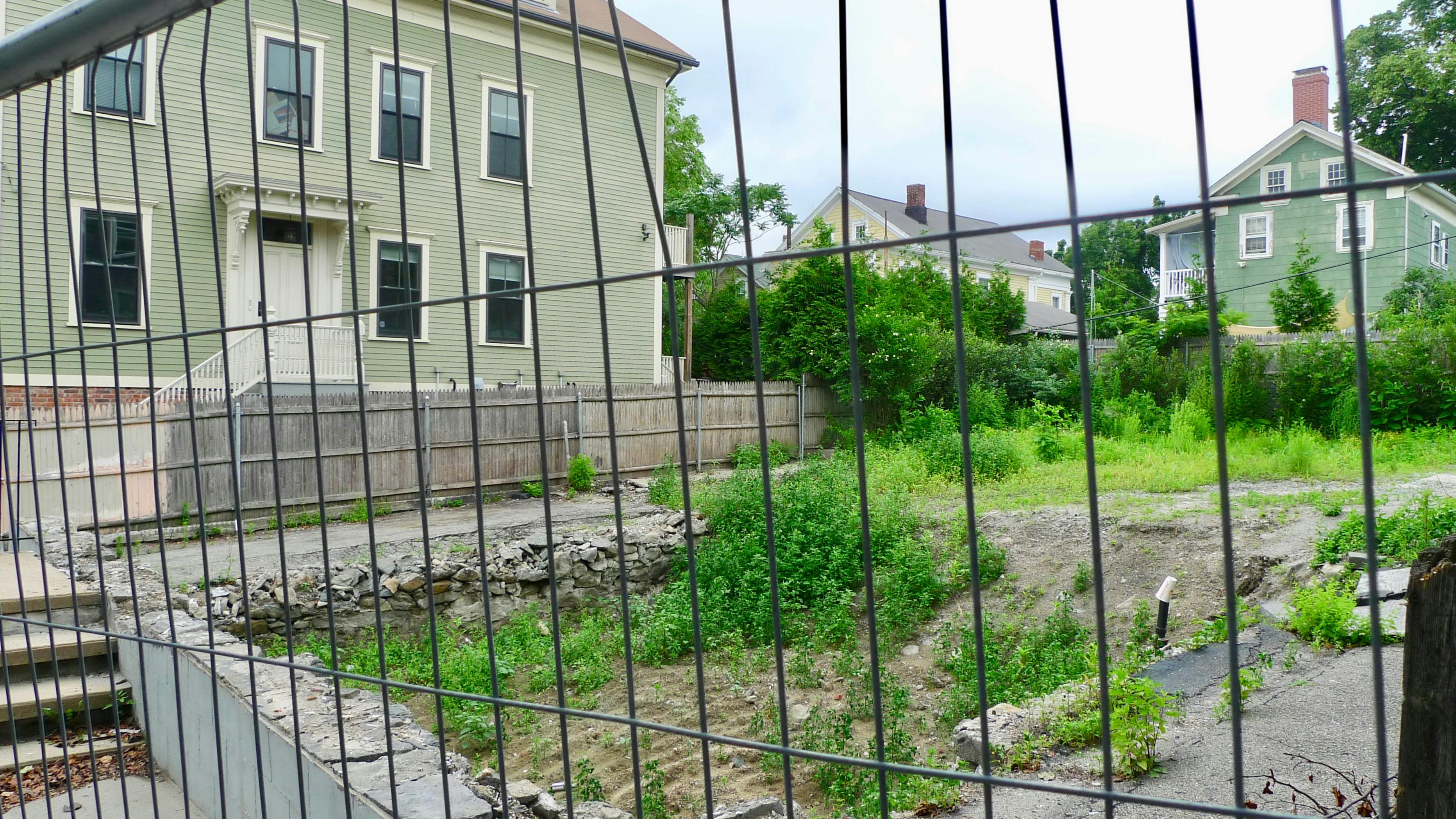
How has Wickenden maintained its unusual mix for so long? Can it defend itself against urban pressures, such as the mega-development under construction on its western edge, with its residences, hotels, and a large grocery? We have already witnessed how the pressure to provide for sufficient housing apartment has resulted in the razing of older houses throughout Fox Point.
Wickenden Street is not an architectural showcase, and few of its buildings could be called landmark worthy. But its sometimes tired-looking wooden houses comprise a first-rate collection of notable townscape, the unity of which could be easily destroyed by careless development.
Wickenden Street hasn't changed much since it first enchanted us during an exploratory visit to check out Providence 23 years ago. One of the people we met was Marian Clark, whose Benefit Street Antiques has been here for 33 years. Clark declares Wickenden "a wonderful street," and attributes its success to affordable rents.
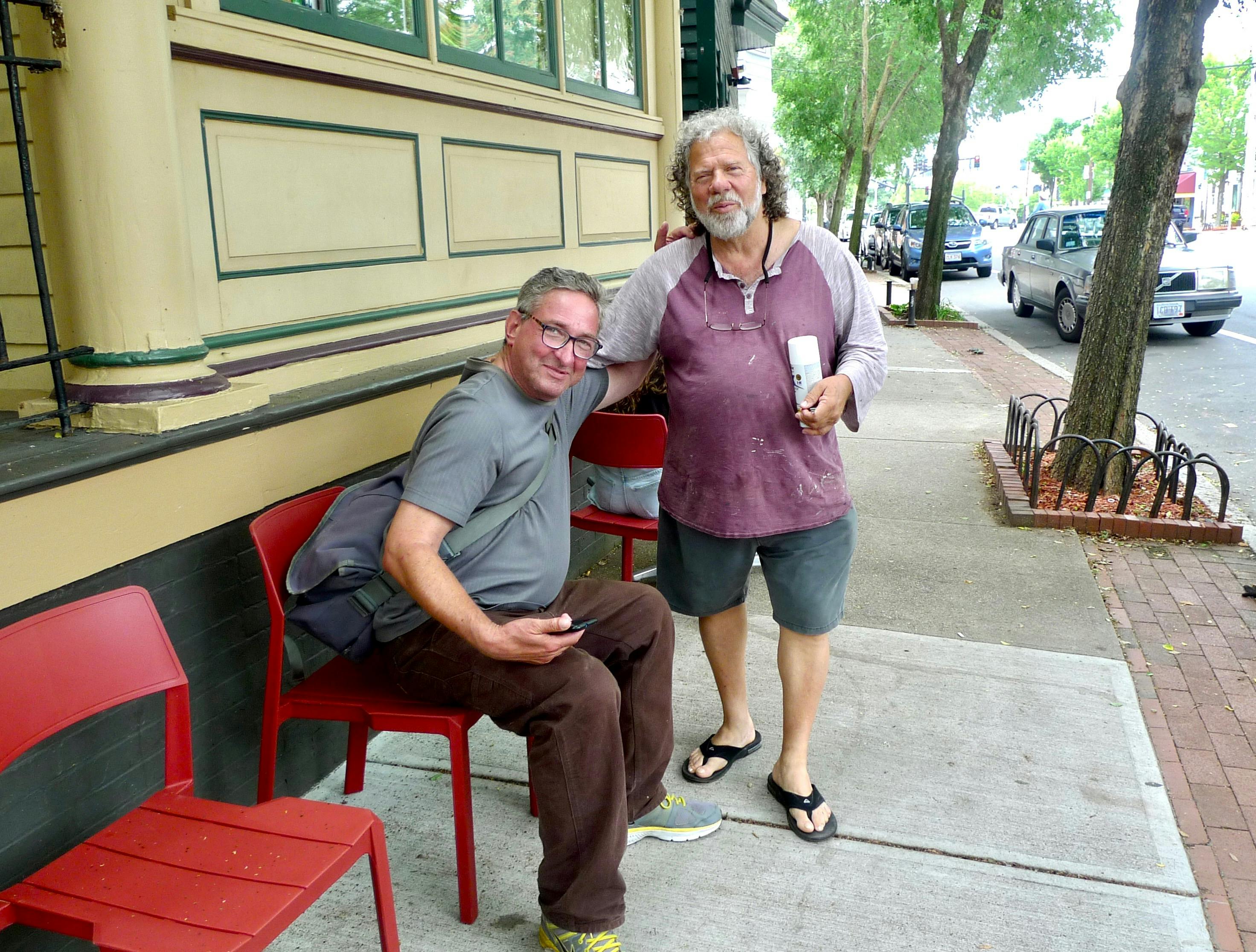
Joel Flescher is the second-generation proprietor of Atomic Appliances, which has been at the corner of Wickenden and Brook Streets since the mid-1960s. Flescher remembers when the neighborhood was dangerous and drug-infested, but declares that its stability and popularity over the last quarter century is due to the fact there is very little turnover.
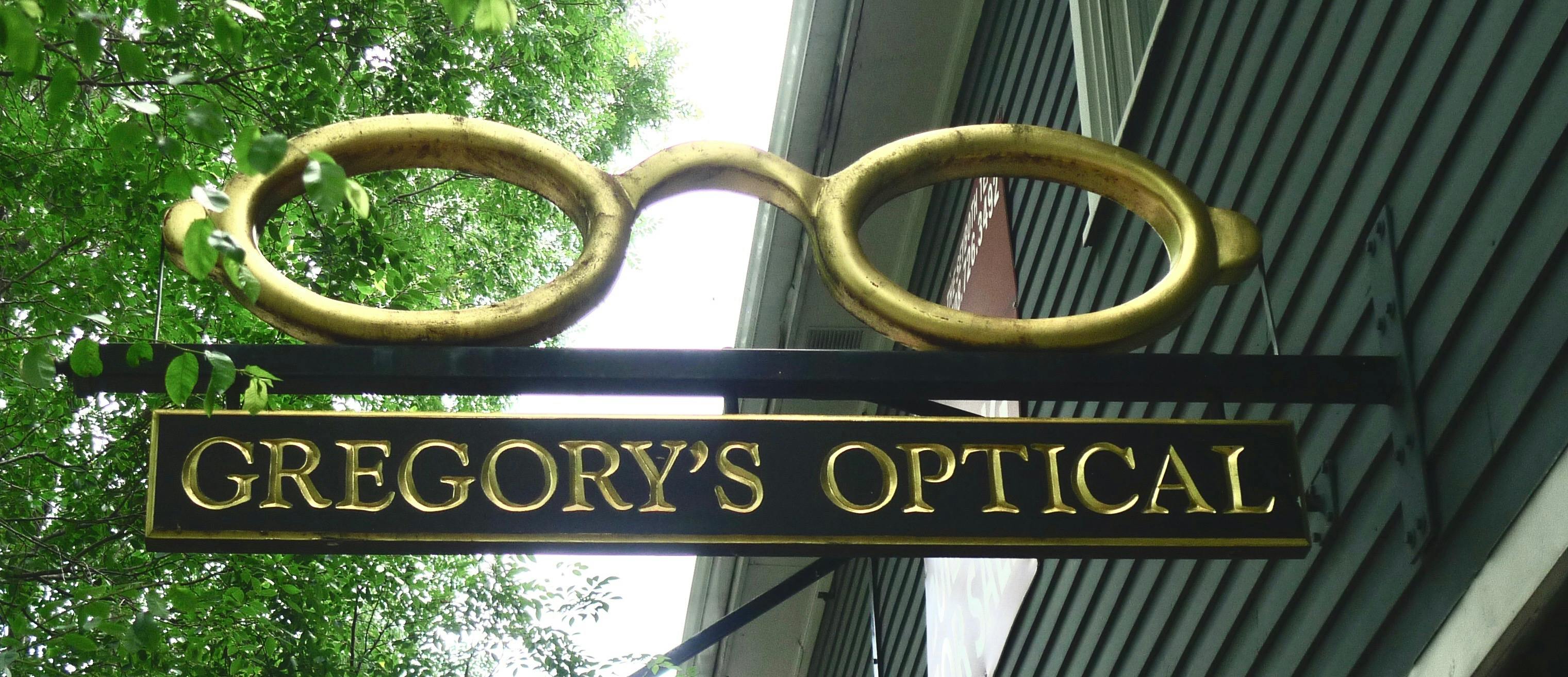
When Richard Kahan set up Red Bridge Antiques in 1989, he remembers that one could buy crack cocaine across the street from Vartan Gregorian Elementary School. But as the neighborhood began to change with the arrival of new vendors and different clientele, shopkeepers and the restaurateurs began to understand the need to protect Wickenden's special ambience. Kahan was one of the merchants who successfully fought to keep parking meters off the street, something that would have changed the street's informal anti-establishment flavor.
As fragile as a three-block long mercantile strip can be, most merchants do not fear adverse effects from the I-195 development just across Benefit Street. Traffic will be a mess (especially on Pike Street, which got a variance for big truck deliveries), but the housing and hotels will bring people to Wickenden Street. The big grocery store (does anyone not know that it will be a Trader Joe's?) will have parking for 135 cars, which ideally means that people will come to buy groceries and then wander over to Coffee Exchange, Amy's, or the longest-running business on Wickenden, Adler's Hardware.
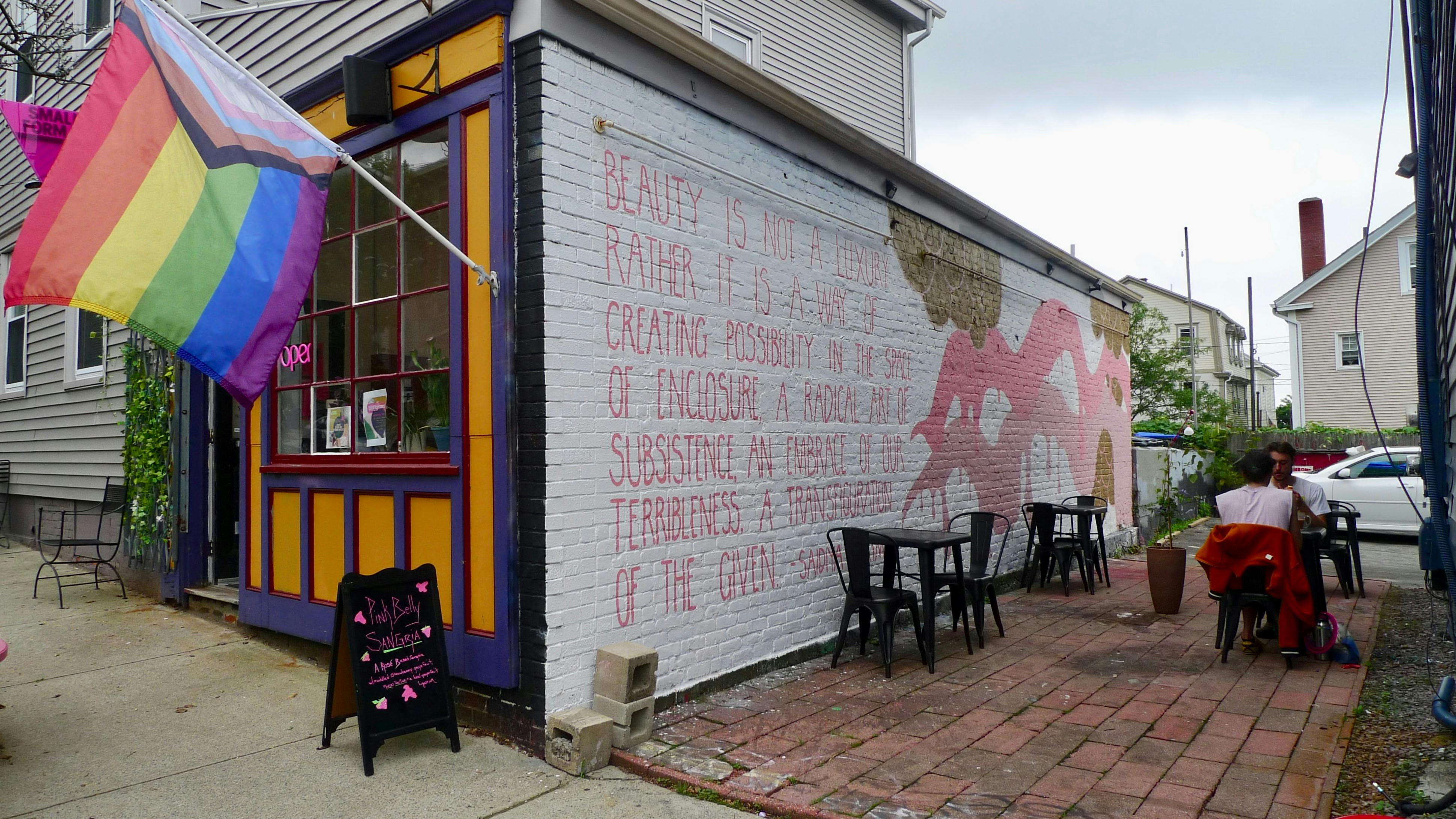
Meanwhile, the positive aspects of the definitely cool vibe of Wickenden Street are being expanded around the small plaza with the Jack-in-the-box statue of George M. Cohan. Recently a pizza parlor, a dog grooming salon, and a juice bar joined the tattoo parlor on this block. But the real catalyst here is The Shop. J.P. Murton's intimate coffee bar, which continued to serve lattes and avocado toast during the pandemic, is a paradigm for the small, intensely customer focused establishment.

It is summer and everyone feels the urge to be outside after Covid; also, face-to-face contact still matters in this digital age. But what Wickenden Street demonstrates is that small does work better and it is more appealing. It also reminds us that the enclosed shopping mall was never the solution to saving towns and cities. (Instead of building a sanitized, ill-perceived version of Main Street, what if the stores in the Providence Place Mall had been placed behind the then empty facades on downtown streets?) Today, in the part of America that no longer has covered dish suppers and church socials, post-religious society focuses on friends and community, which often works best on the street.
Like cities, streets and neighborhoods evolve, and they thrive or decline. We need to cherish those that really work and inform our urban spirit. And we must be vigilant in supporting and protecting them.