Saving Newport by Destroying It? –– Architecture Critic Morgan
Will Morgan, Architecture Critic
Saving Newport by Destroying It? –– Architecture Critic Morgan
America's First Resort is what outsiders envision when they think of Rhode Island: Newport is the state's pinup girl. More than the Sailing Capital of the World, the city was our colonial capital, headquarters of British forces throughout much of the Revolutionary War, and a major base for the Navy, not to mention the home of America's first architect.
GET THE LATEST BREAKING NEWS HERE -- SIGN UP FOR GOLOCAL FREE DAILY EBLAST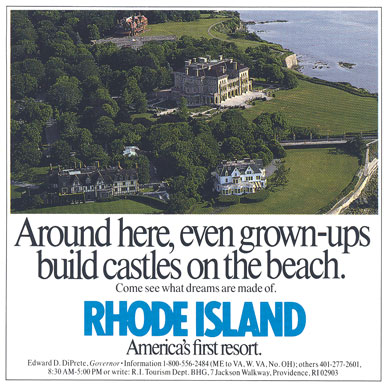
During a recent trip to Thames Street to look over the site of a projected new hotel, I was struck by how unwelcoming harborside Newport has become. The trip from the Pell Bridge to Thames Street took as long as the drive from Providence. I have known Newport for most of my life, but were this my first trip there, I would have turned around and headed home.

On warm days from now until Halloween, the main drags of America's Cup Avenue and Thames Street will be jammed with cars. The sidewalks will be a crush of teenyboppers, student drinkers, and wannabe Marlon Brando bikers in search of a bar or an outdoor restaurant.

Newport's harbor front is a parasite on what was an extremely special place. (Was this brand of mindless tourism the only way to ensure the town's survival?) The t-shirt, ice cream cone, and beer deck side of the town is, admittedly, more exciting than a day at Wrentham Shopping Village, an even bigger New England tourist destination. But it is less entertaining than a visit to Dollywood or Branson in the Ozarks. The big difference is the universal appeal of water, although access to the harbor has been largely blocked by a proliferation of shops, hotels, and pizza joints.
Following the reduction of the Navy's presence and before its discovery by day-tripper tourism, one could pretty much walk the length of the waterfront going from boat yard to fishing dock and the occasional bar. But no more. Instead of keeping some public way along the entire harbor, the city shortsightedly allowed all manner of development, making access to the water difficult.
One place where the working waterfront of Newport still hangs on, albeit in need of rescue, is Waites Wharf. If Harbour Realty's plans are approved, half a dozen survivors of a real aspect of Newport's history will be demolished for yet one more hotel.

To say, as the developers did in their demolition permit request, "None of the structures possess architectural or historic character, value or significance," underestimates the unspoken value of vernacular buildings. These wharf structures speak of the unique character of the old industrial environment. Their scale and irregular patterning, combined with grit and utilitarian ethos, provide a perfect experiential relief from more formal public places.
Ronald Onorato, an architectural historian at URI and the author the AIA Guide to Newport, declared that these humble buildings are "often overlooked because of the wealth of colonial and gilded age buildings." Testifying before the Planning Board, Onorato further noted that the texture and siting of the Waites Wharf structures "embody the bustling and pragmatic commercial and artisanal functions of a working waterfront."

Compare such testimony with that from real estate appraiser, James Houle, that demolition here is "consistent with the City's stated goals of upgrading the properties throughout the town and encouraging improved economic use." Houle enigmatically adds that the Lower Thames area has "seen substantial activity from visitors" Recalling the iconic meme from 1968 Vietnam, "we had to destroy the village in order to save it," former planning director Paige Bronk's testimony included an eerie echoing line, "Sometimes, the best thing you can do to beautify an area is to demolish."

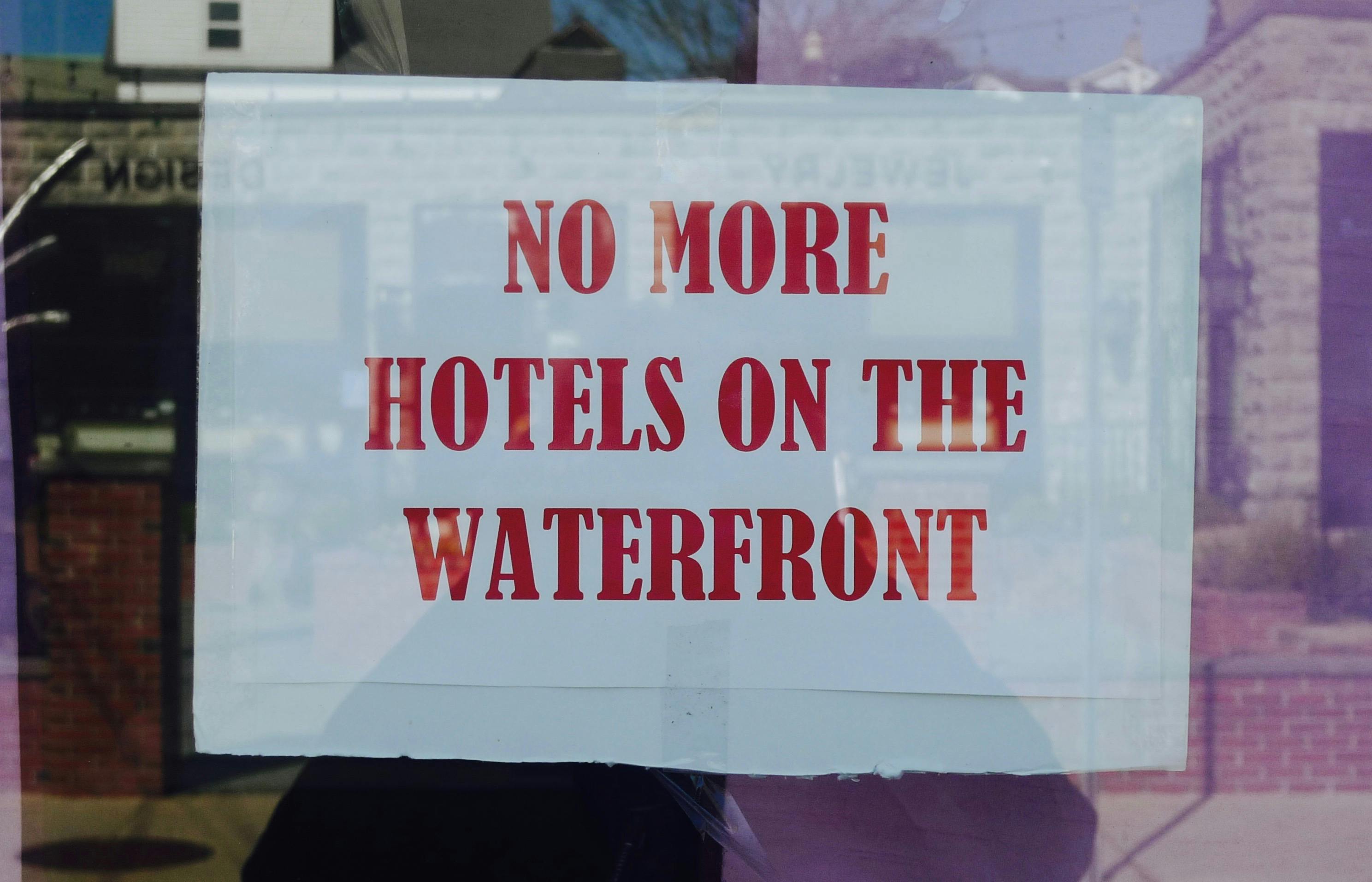
The developers claim that their project will result in "the construction of two new, architecturally appropriate hotel buildings." Yet, the designs offered suggest giant motels, likely wrapped in shingles and sporting a few historical details. In short, history will be trashed for more traffic, pollution, and less access to the harbor.

Does Newport really need more hotels on the waterfront? Does this city really want to give up one of the last open spaces along the Thames Street wharfside? There are more imaginative things that could be done with this spot, such as an innovative design that would imaginatively incorporate these remnants of working waterfront into something that contributes something to the commonweal. To simply discard these examples of vernacular architecture is akin to Esau's giving up his birthright for mess of pottage.
Such long continuing but unequal disputes between the forces of "progress at any price" and those of progressive, environmentally responsible change too often have predictable and disastrous results. Maybe it is time for a total reset on how to nurture Newport's soul. Waites Wharf represents a golden opportunity to encourage thoughtful civic and economic development that will respect the past instead of giving us just another uninspired second-rate resort package.