The Invasion of the Over-Scaled Buildings––Architecture Critic Will Morgan
Will Morgan, Architecture Critic
The Invasion of the Over-Scaled Buildings––Architecture Critic Will Morgan
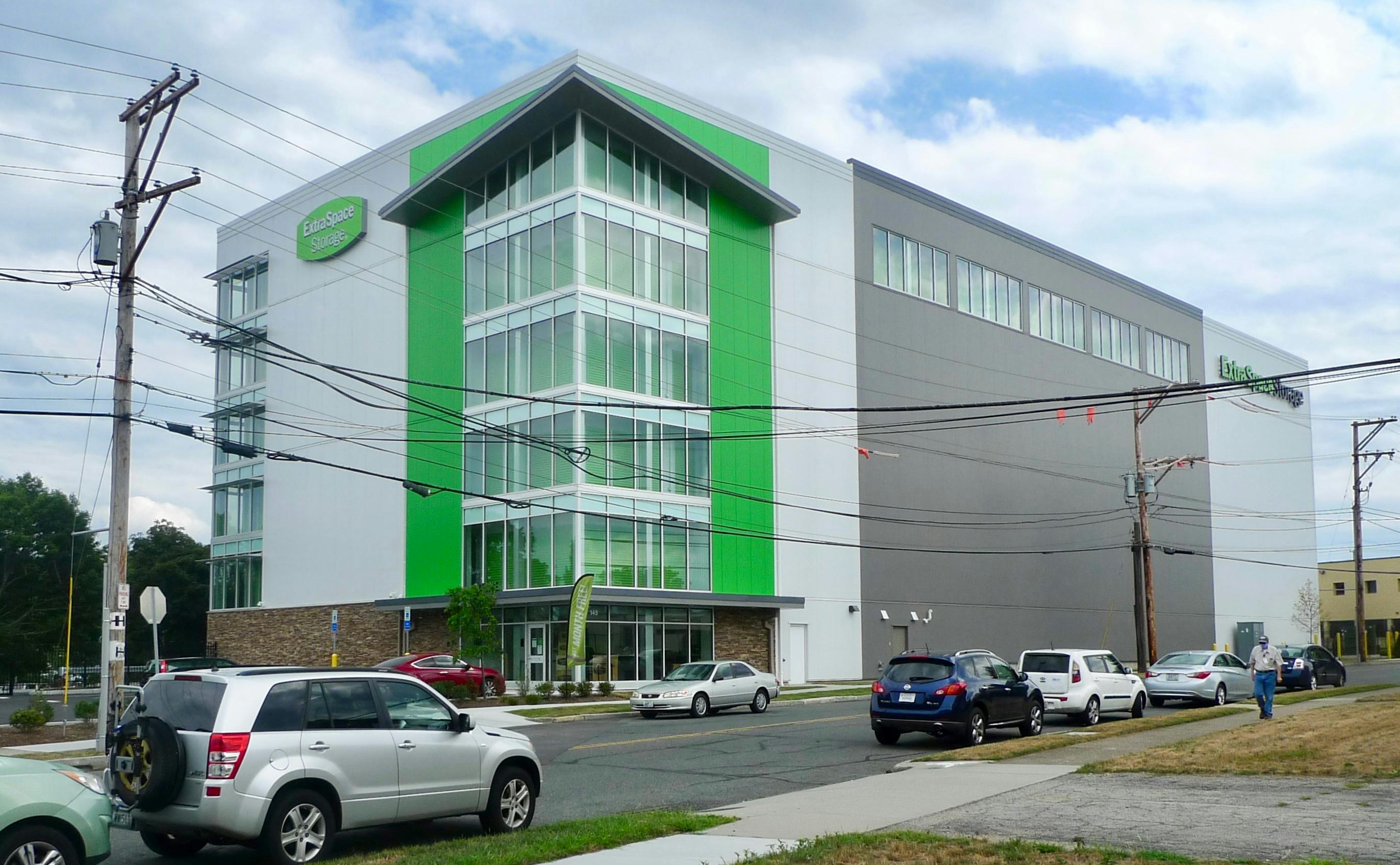
The egregious leviathan of Extra Space Storage on Corliss Street best demonstrates the jarring trend towards constructional obesity. The 1,905th facility of the second largest self-storage company in the country is a six-story tall block of aggressive blandness, displacing over 100,000 square feet.
This unwelcome giant is the most prominent landmark as travelers approach Providence on I-95 from the north. Extra Space is illuminated at night, so that the building can be seen from much of the city, competing for attention with our noble State House.
GET THE LATEST BREAKING NEWS HERE -- SIGN UP FOR GOLOCAL FREE DAILY EBLASTDoes the city really need a lot of new storage space on the edge of downtown? While an ugly and intrusive element on the skyline, the Extra Space container might be somewhat less objectionable if placed out on a suburban wasteland.

The construction of new buildings that are outsized for their locations is reaching a crisis point, especially on the East Side. Tall buildings may make sense for a concentrated business district downtown. But as the Fane Tower proposal amply illustrates, the day of stand-alone skyscrapers ought to be thing of the past. The problem is equally acute with smaller size projects that upset the balance between people, amenities, and civic responsibilities as opposed to expansion for its own sake.
The hotel proposed for the corner of Angell and Brook Streets illustrates this.

No matter how many stylistic adjustments are made, the hostelry's envelope is out of scale with the houses of the neighborhood, not to mention that constructing the hotel will mean razing of three handsome and substantial houses.
Brown is currently riding a building boom that threatens the very neighborhood that makes the school one of the most attractive campuses anywhere. Already in the late 1960s the construction of the skyline-despoiling Sciences Tower was an all-too-obvious indication of Brown's existential conflict of wanting to grow within a constricted College Hill.
The Watson Center, on the other hand, shows how to add needed facilities in three buildings while still maintaining a relatable ambience. The brilliant design of the Engineering Research Center ameliorates its otherwise bulky presence, and its thoughtful siting provides a park-like setback.
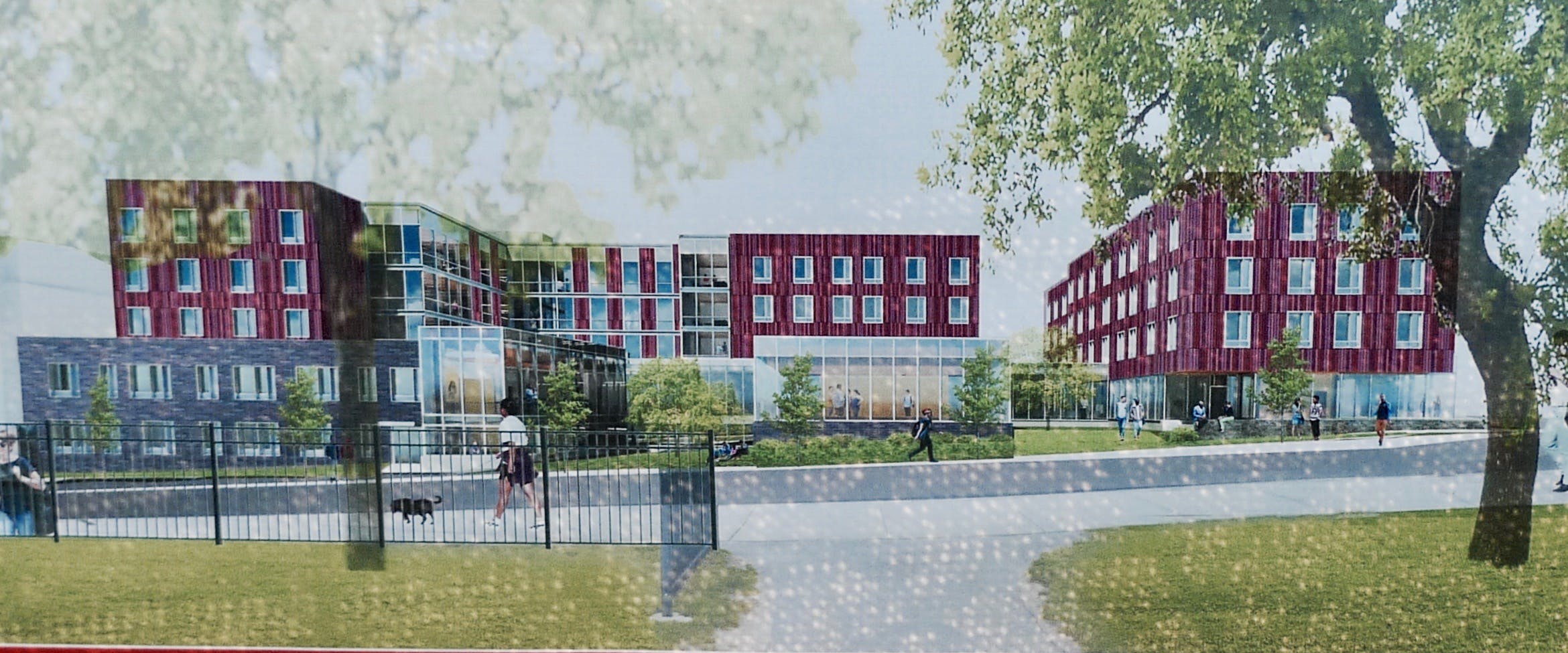
The chipping away of the city's premier historic neighborhood continues apace. Remember the half dozen Victorian homes that Brown tore down to make way for their new dormitory and wellness complex? (The university did move two significant mansions to make way for the totally out-of-scale Performing Arts Center, yet some older houses will be destroyed for another dorm on Brook Street).)
The health and residential group designed by the popular but often disappointing campus architect William Rawn is just another behemoth turning the Thayer Street area into an overcrowded urban mélange. What possibly might be acceptable if under-achieving structure on an empty lot near the medical school becomes a real assault when shoehorned into College Hill.

Perhaps the tendency to build according to appetite rather than digestive ability will abate with the coronavirus. Yet the East Side is being made over by a seeming disregard for what really makes a community work. Although not large blocks per se, the new housing at the corners of Angell and Butler, Hope and Wickenden, and Waterman and Wayland are simply too big for their streetscapes, and thus erode a vital townscape.
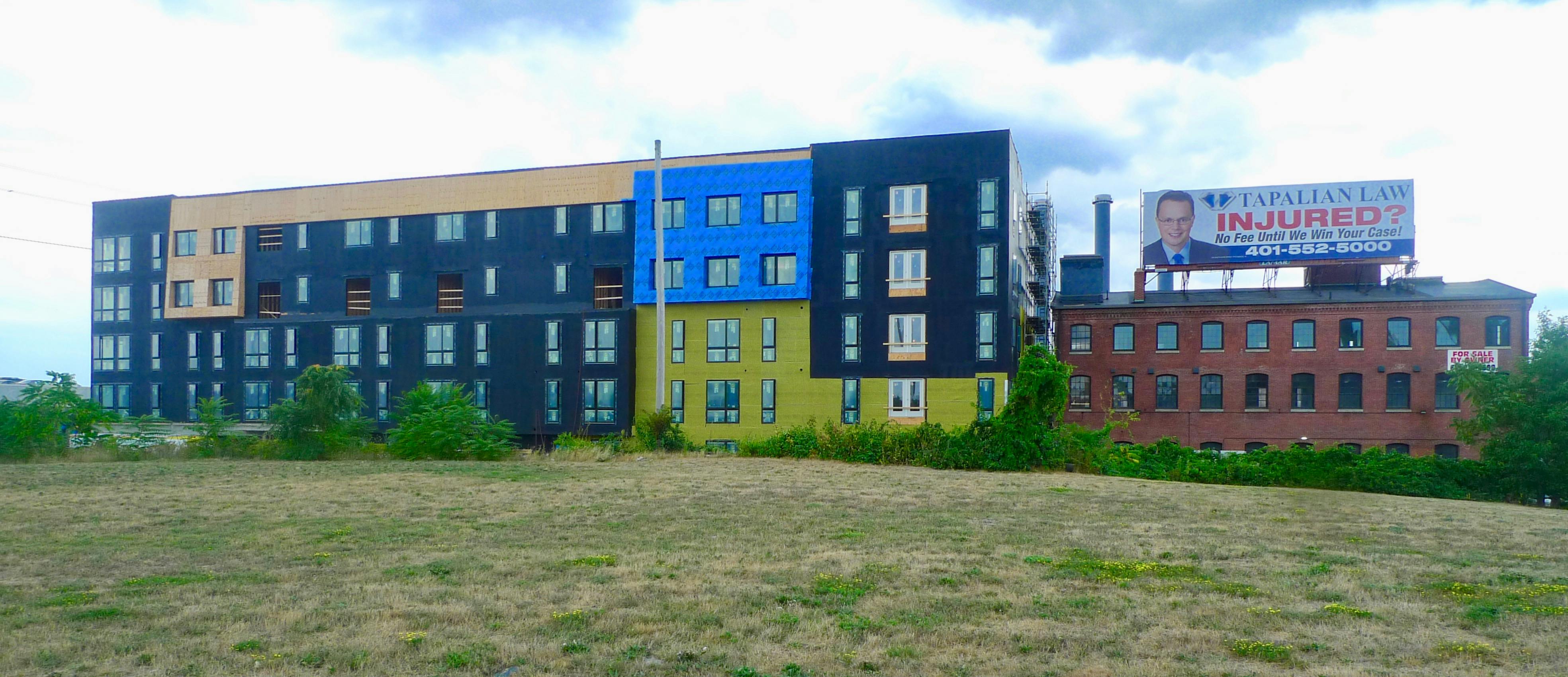
One of the worst cases of apartment house elephantiasis is being erected at the corner of South Water and Tockwotton Streets. Architect Eric Zuena (designer of the Angell Street hotel and the Homewood Suites downtown) has simply decorated a giant hunk of sellable space with some different surfaces and colors, plus Zuena's signature Mansard roof.
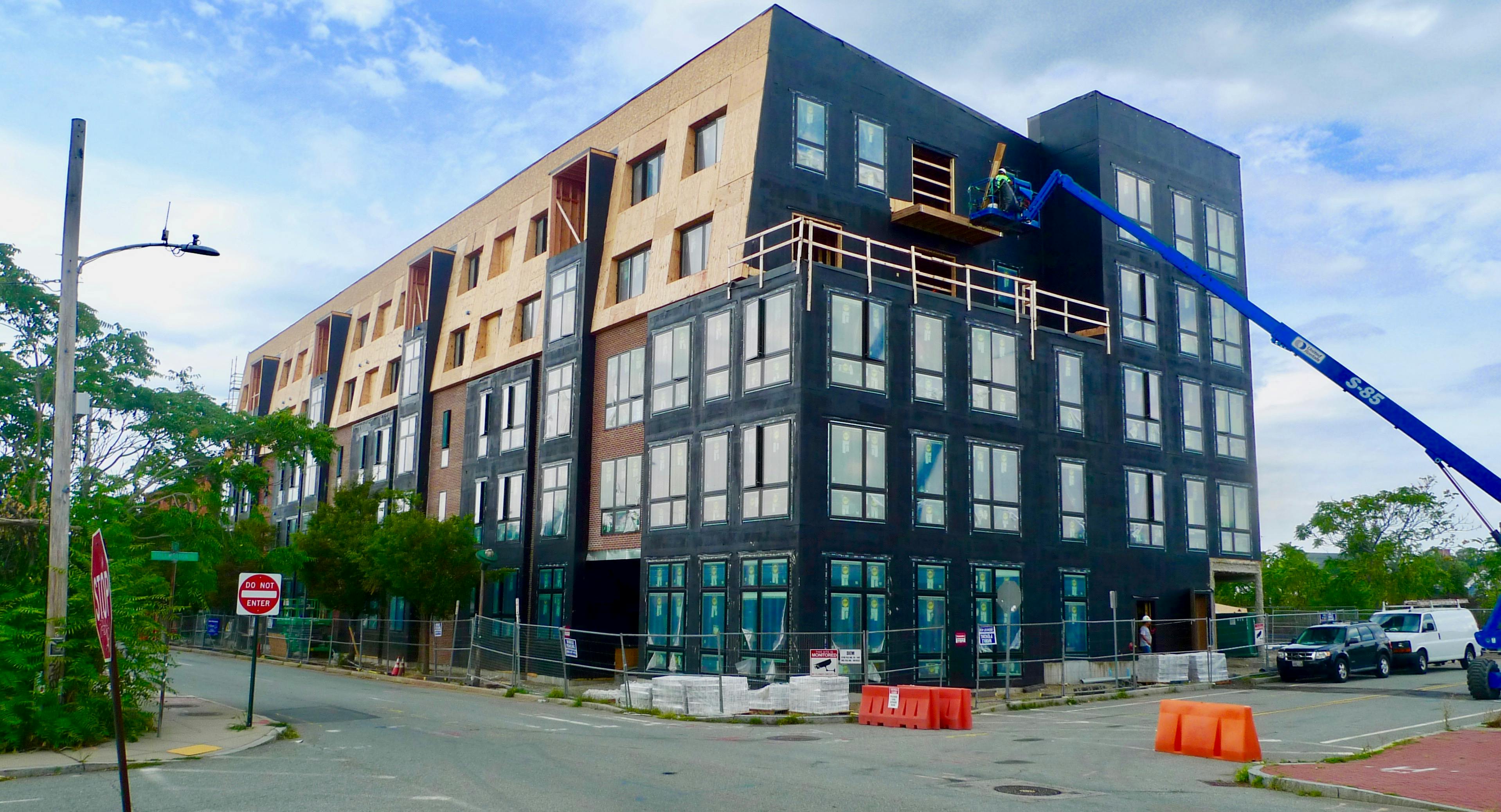
But the real shortcoming of this urban disaster is it size. It is humongous, it dominates the waterfront, and it says nothing positive about Providence. Something that is this much of a hog of prime real estate needs to be better, much better.
To begin with, the skyline could be more distinctive, offering an identifiable silhouette that is more than just a horizontal line. The chintzy, lowest-common-denominator footprint could be broken up and offer more setbacks and terraces. Materials could be upgraded to make this more than just the usual developer's trope.
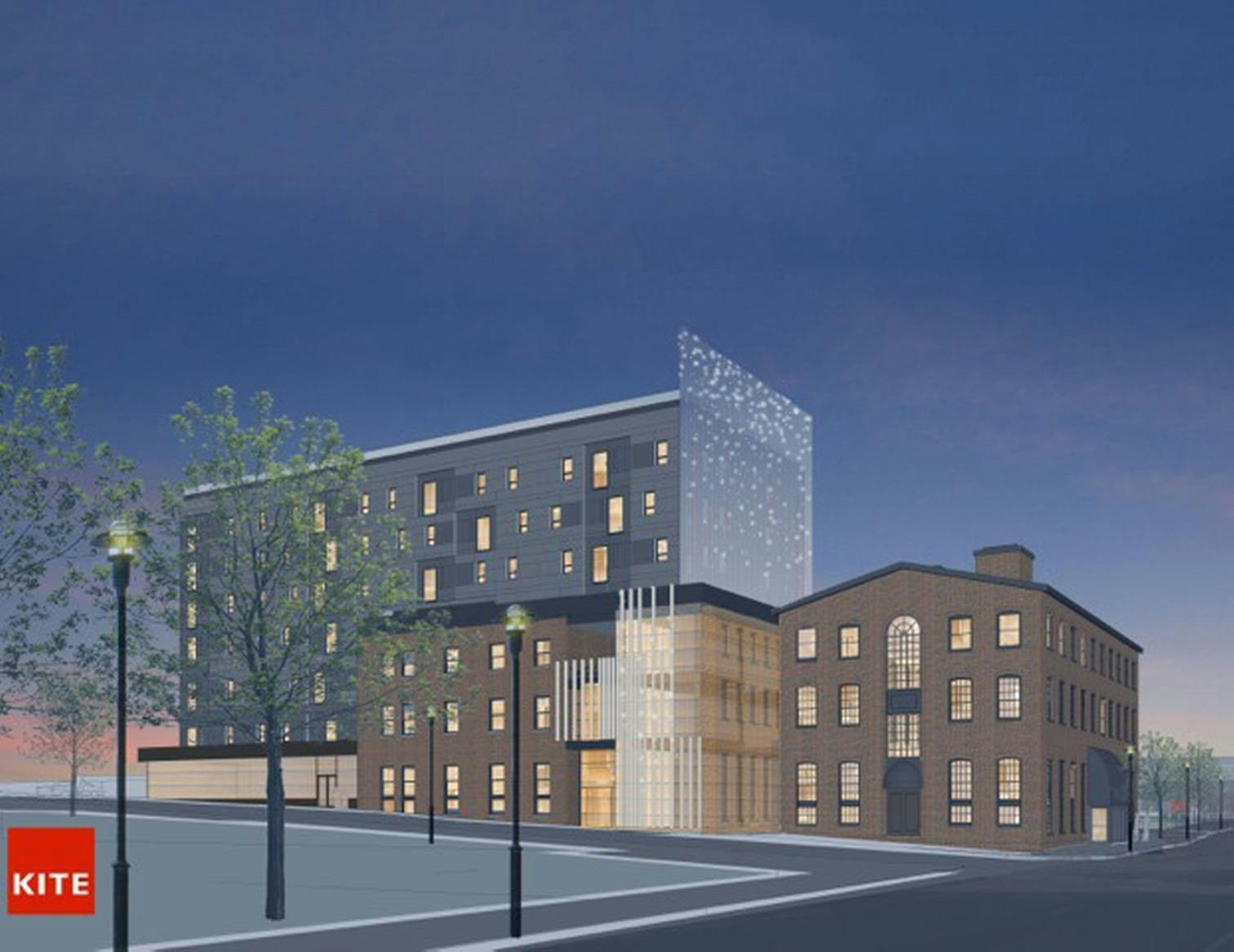
An earlier scheme for this site envisioned by Kite Architects was also out of scale, but at least it was architecturally aspirational, more fitting of a purportedly visually literate city.
Why should we continue to encourage new buildings predicated on enriching development and real estate interests rather than for what they could contribute to the commonweal? These over-scaled intrusive buildings might force us to consider the kind of city we really want.