What Will Our Houses Look Like? – Architecture Critic Will Morgan
William Morgan, GoLocalProv Architecture Critic
What Will Our Houses Look Like? – Architecture Critic Will Morgan

When the pandemic has passed, what might we have learned about what our house really is to us?
GET THE LATEST BREAKING NEWS HERE -- SIGN UP FOR GOLOCAL FREE DAILY EBLAST

So much about our lives have been dramatically changed by the coronavirus lockdown, not least of all our domestic landscapes.
One constant in our locked down home, however, has been the weekly dose of laughter from the New Yorker Magazine–humor lightens the dread of isolation.
There's a recent cartoon entitled The Freelance Life by Roz Chast, whose timid, neurotic losers occupy a grim grandmotherly house of the 1950s. A couple sits on the living room sofa, complete with an anti-Macassar doily, and the balloon coming out the husband's mouth declares, "Honey, I'm STILL HOME!
As a freelance writer, I have self-isolated at home for years. Many writers imagine their workspaces as monastic cells, but my office is a crowded jumble of books, art, and sentimental tchotchkes.

My routine has not changed that much, or has it? Last week I was a visiting critic for the RISD Superman building masters class which was conducted on Zoom, a platform hitherto unknown to me. The virtual format allowed for critics from Boston, Philadelphia, and Maine to participate from their home offices.
Another New Yorker pane by Kaamran Hafeez shows an ascetic in front of his cave on the proverbial mountaintop, using a laptop. Addressing a nearly naked follower with a waist-length beard, the wise man says, "That's what I love about social media. I can have connections with thousands of people and yet still be completely isolated and alone."
Who knew back in January and anticipating the coming of spring that we'd all be spending several months indoors? Late winter found dads working from home, restless kids doing schoolwork on little screens, and moms wanting everyone to go outside to play. Booze consumption is up and restaurant meals are just a memory, while the pizza delivery guy rescues the over-worked in-house cook.
Prognostication is not part of my remit, but we can make some predictions about changes in our homes and in domestic design. (Let's pray that that will not include that moats and barricades in a time of civil unrest.)

It is time to close the era of the grossly over-inflated developers' McMansion. Anyone building a house would be wise to realistically identify what they need in a house, rather than being snowed by 17 roof pitches and a three-car garage.
We might learn from such house types as the hugely successful Cape Cod cottage–the Model T Ford of American homes: simple, compact, kitchen-centric.
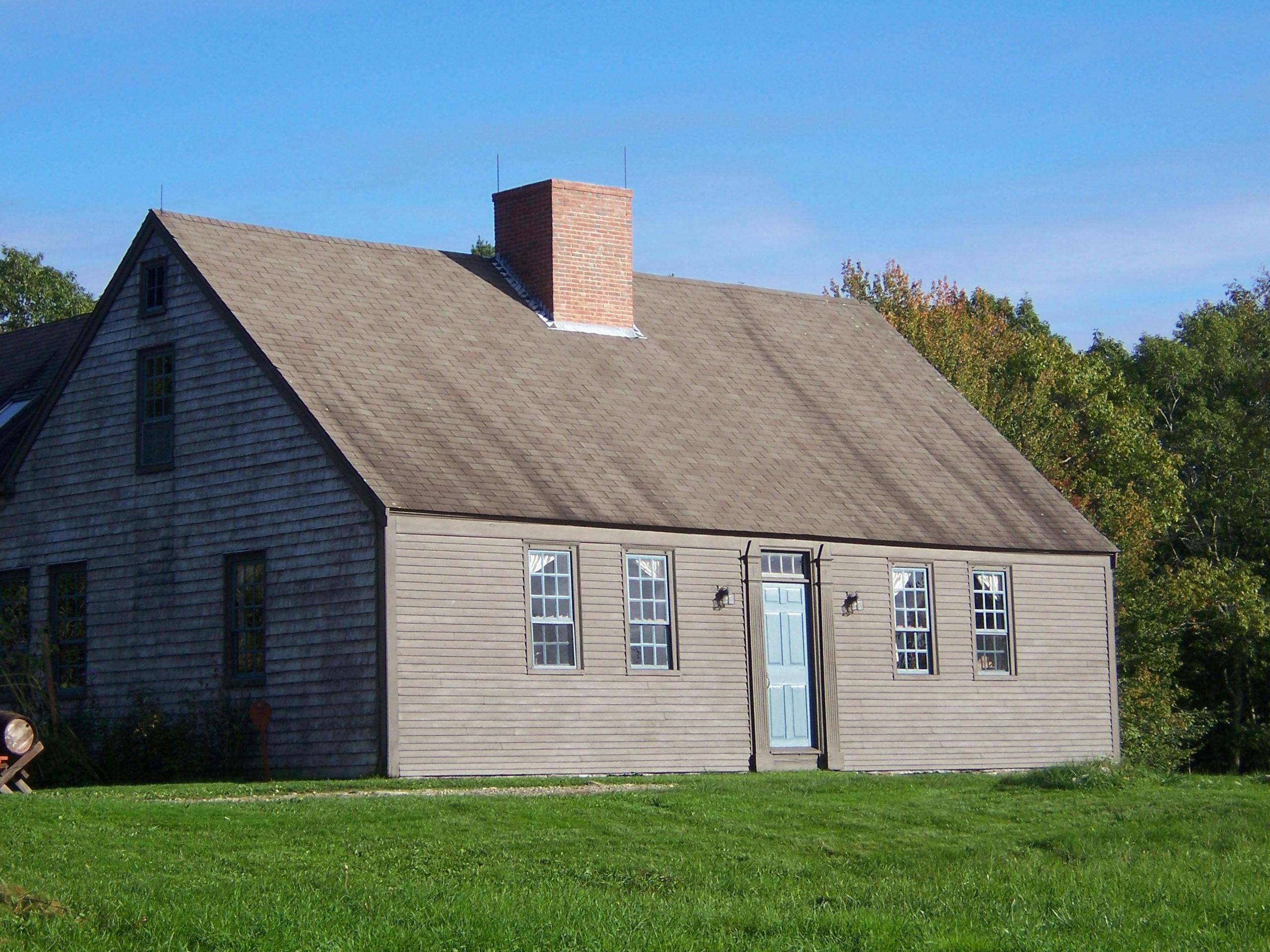
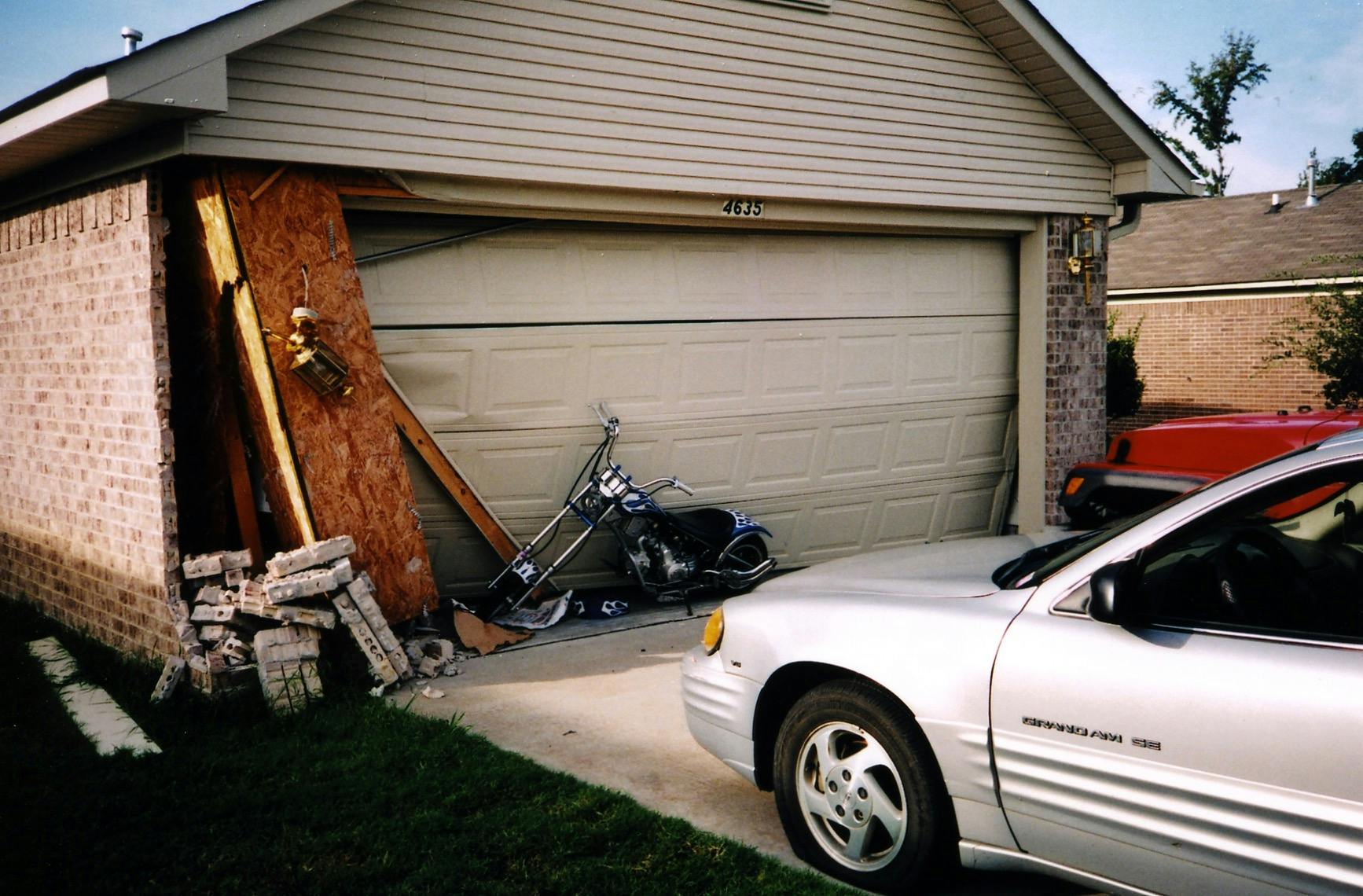
We might even see a trend toward houses designed for living, rather than expressions of monetary success. And spending so much more time at home might reveal the shoddiness of so much new construction.
The century-old over-wrought free-flowing open plan, seamlessly connecting kitchen to living areas will become an unaffordable luxury. Parents working from home will need a lot more privacy, as will studying children, so the home could offer a series of smaller individual spaces.
The kitchen has traditionally been the heart of the home. Since most activates beyond home have been put on hold, families are having meals together, something they haven't done so for ages. There is bound to be more cooking at home. More stove, less microwave.

It is time to reintroduce the kitchen garden–call it the Pandemic Victory Garden. The lockdown has suddenly been made us aware that importing everything from far away is not always the best way to feed ourselves.
In short, our houses can get back to basics: It's time to rediscover that forgotten national character of self-reliance
Do I really see a burgeoning Little House on the Prairie aesthetic in American domestic architecture? Of course, not.
But are there lessons that we have learned during the coronavirus times that we could apply to our homes? Yes, of course.
But these are hardly new ideas: environmental consciousness, such as passive solar design, attention to materials, efficiency, respect for the land we build on, and other principles of smart building.
Surrounding ourselves with beauty and quality not only makes ecological and aesthetic sense; our home will, in turn, reward us with the inherent joys of still being home.