


RIPTA's New Bust Shelters––Architecture Critic Morgan
William Morgan, Architecture Critic
RIPTA's New Bust Shelters––Architecture Critic Morgan
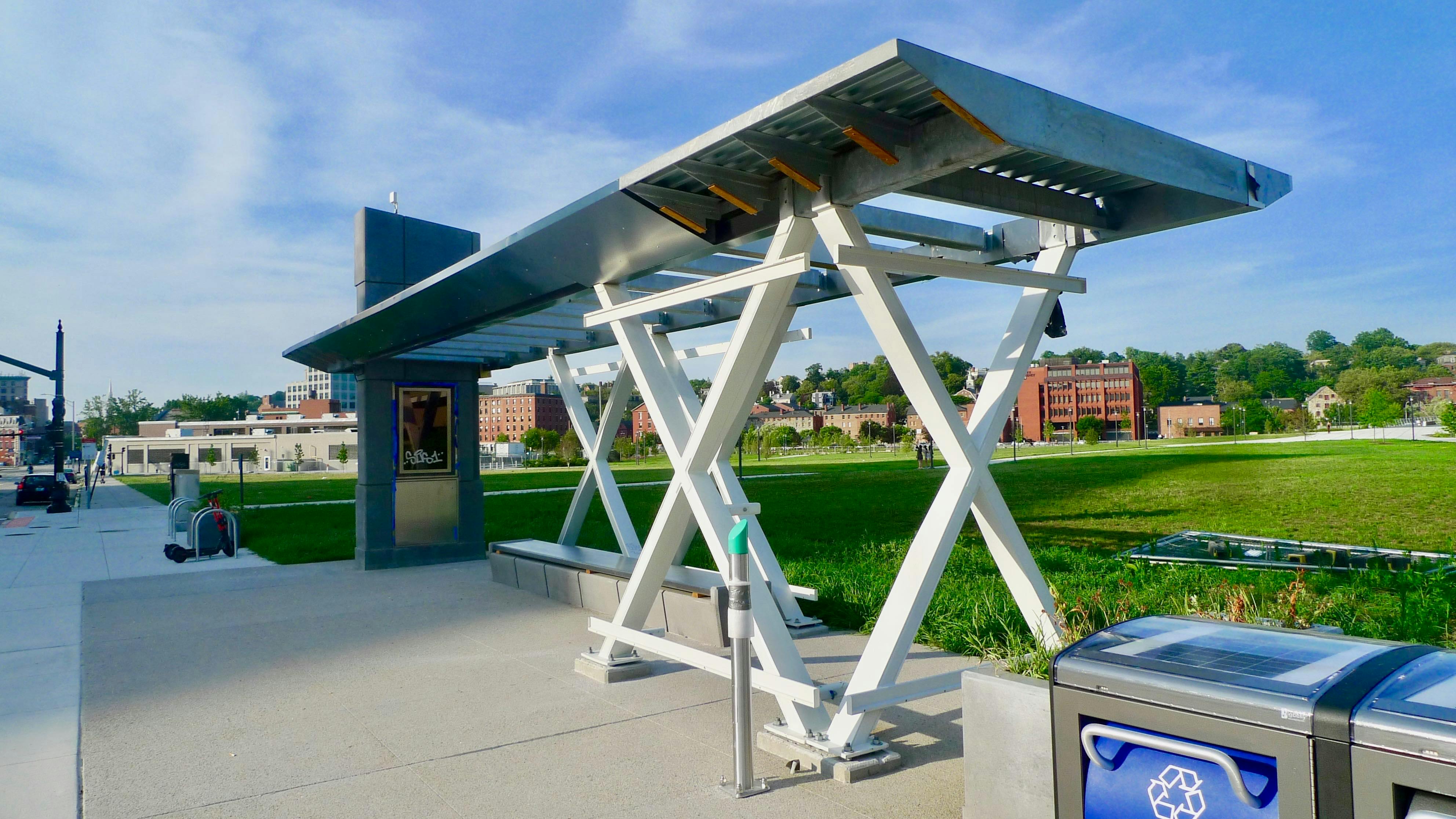
Bus stop shelters are a decidedly un-dramatic and non-sexy topic for discussion. But let us reimagine these shelters as civic fixtures that contribute to the appearance of our city.
Nevertheless, the pair of just completed bus shelters on either side of Dyer Street near the pedestrian bridge and in front of the innovation center are worth reviewing as attractive new contributors to the city's streetscape.
GET THE LATEST BREAKING NEWS HERE -- SIGN UP FOR GOLOCAL FREE DAILY EBLASTThese handsome and distinctive architectural elements were a real surprise–an upscale change from the usual dreary bus shelters. I hoped these might be prototypes of forthcoming bus stops throughout the city or even statewide.
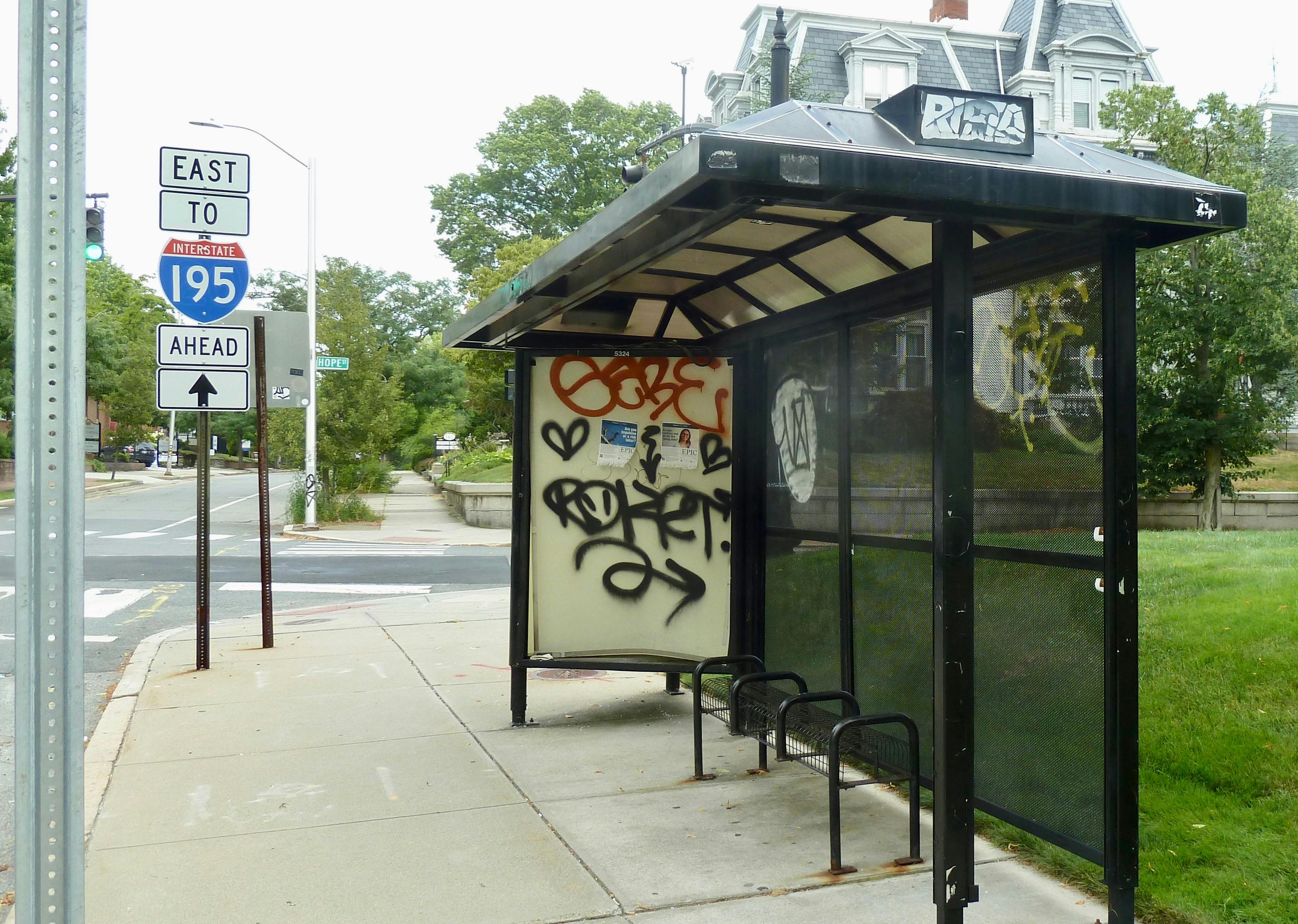
Awareness of what? Bus shelters in Providence, I discovered when searching for them across the city, are few and far between, and those are distinctly unwelcoming. It would be easy to conclude that the bus is transportation's stepchild, and that bus riders are more discouraged than cosseted.
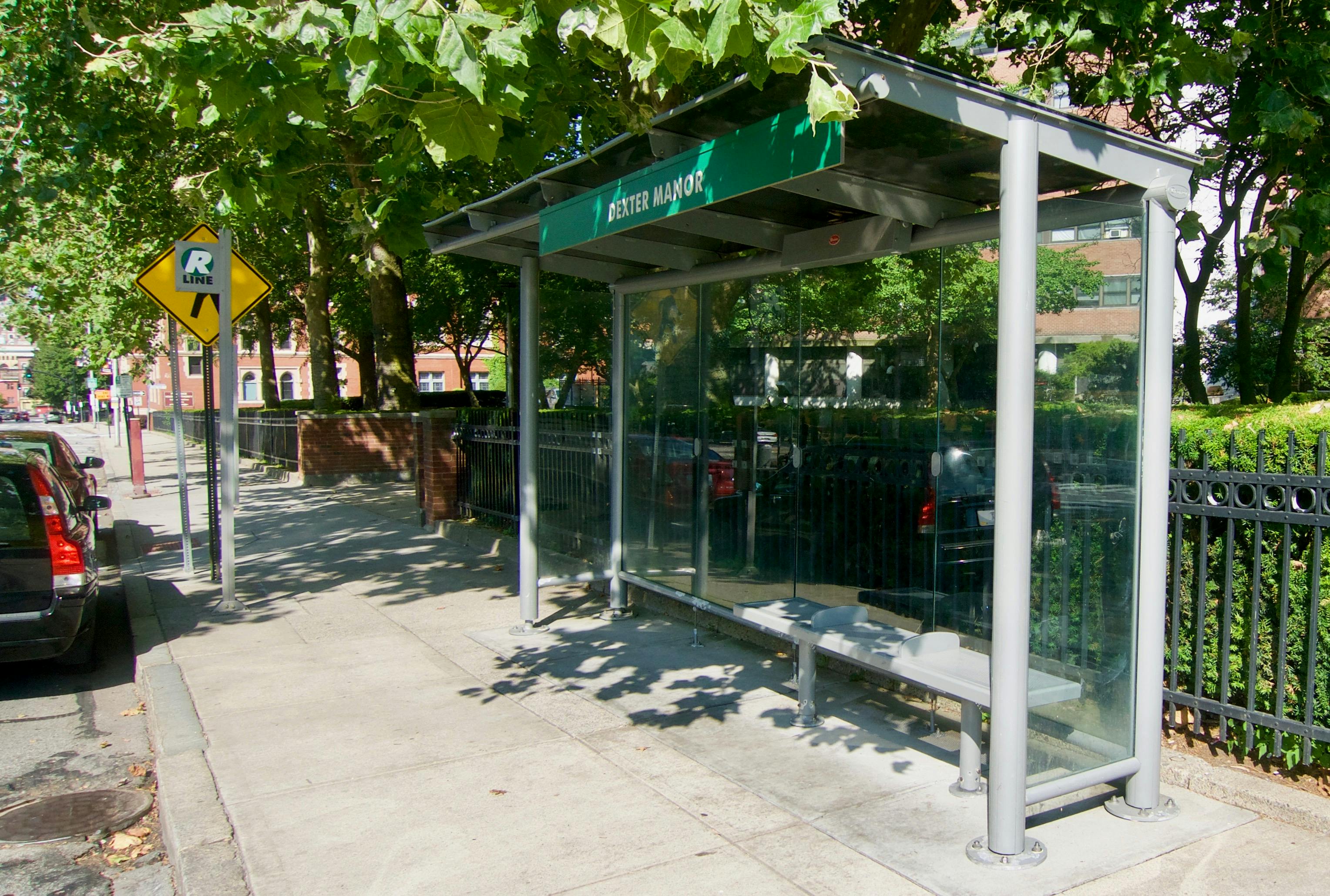
Which is why the DCT shelters are so important. Bus shelter design may seem like a minor issue, but they demonstrate how a public agency is capable of caring and providing for its citizens. They are indicative of how we see transportation, infrastructure, and ourselves.
The design of the Dyer street bus kiosks is pretty straightforward: a long metal flat roof is supported by four scissor-trusses at one end, with a rectangular concrete tower at the other. Digital display boards, which will feature schedules and weather alerts, are on both sides of the stele-like vertical shaft. Realized by the Montréal-based WSP engineering firm, it is a handsome Modern design, appropriate to the language of transportation and technology.
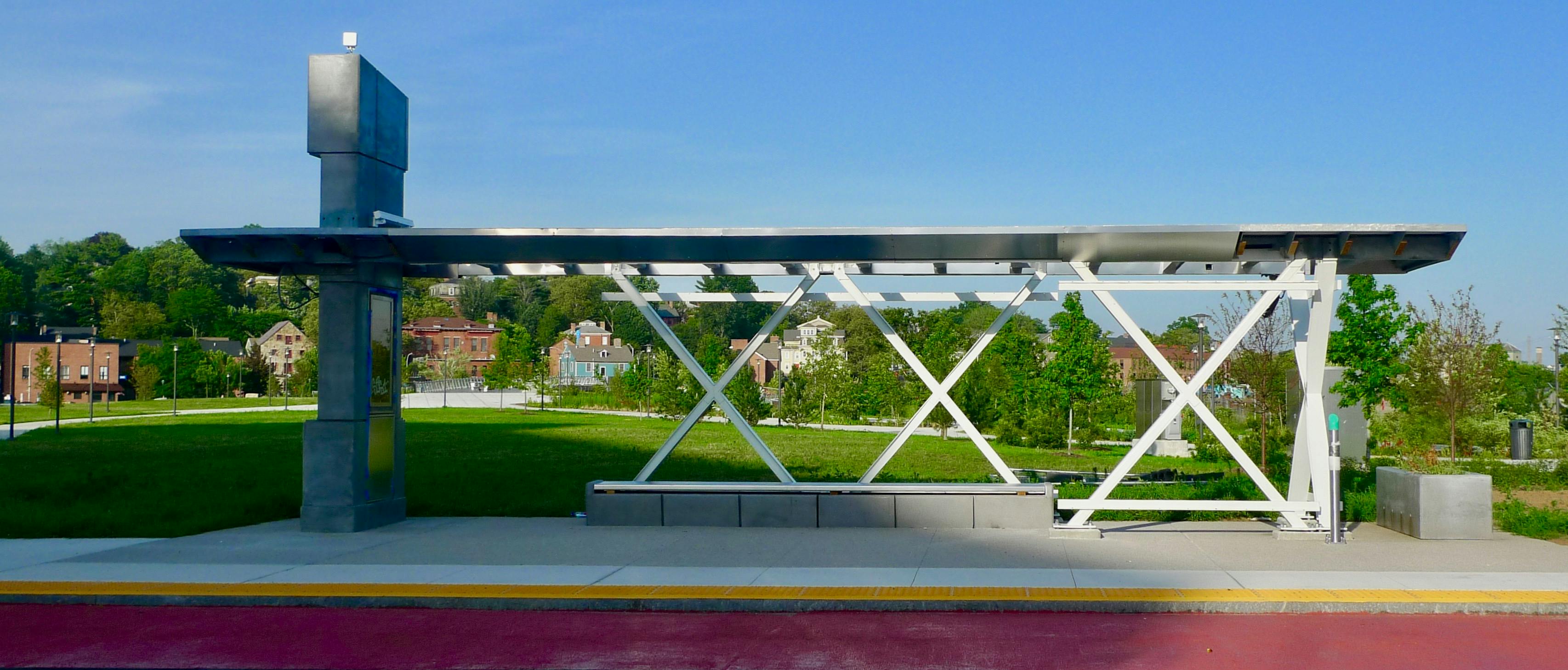
The welcome DTC shelters are almost elegant, but could their design have been a little more adventurous–after all, we are purportedly the Creative Capital. What if RIPTA had considered a competition, one that would have brought positive attention to the Transit Authority and the city, as well perhaps landing an exciting shelter design?
Bloomington, Indiana hosted a national competition to obtain a new design for its bus shelters. This model shows the entry by Keith Moskow and Robert Linn.

Travelers to Paris, Stockholm, Barcelona, or anywhere in Europe, have noticed attractive bus stations, subways, and transit centers. Yet there are municipal transit authorities in this country whose graphics, rolling stock, and facilities express a heightened visual awareness.
In Boston, the firm of Moskow Linn has made something of a career of designing what they call "urban interventions." They even wrote a book about the best examples from around the world. Small Scale: Creative Solutions for Better Living includes such city-changing projects as New York's High Line and Providence's own Water Fire.
Although not a bus shelter, Moskow Linn's Urban Hookah represents the sort of innovative thinking that could make any downtown more livable, more fun. This prefabricated smoking kiosk provides smokers with protection from the elements and sucks up the smoke, while creating the kind of visual interest on the street that a well-designed bus shelter also could.

