


Post Pandemic Providence – Architecture Critic Will Morgan
Will Morgan, Architectural Critic
Post Pandemic Providence – Architecture Critic Will Morgan

For however long the coronavirus continues to decimate Rhode Island's elderly and infirm, or if it miraculously disappears, when it is over, nothing will be the same as before.
I am an architectural historian, not a futurist. But having spent a career studying how people built houses and designed cities, perhaps I can make some observations about the forthcoming post-pandemic world.
GET THE LATEST BREAKING NEWS HERE -- SIGN UP FOR GOLOCAL FREE DAILY EBLAST
But what an amazing ride it has been. My wife remembers standing alongside the railroad tracks in Apex, North Carolina in 1945 to see Franklin Roosevelt's funeral train pass by; I was born a week after D-Day. Our childhood memories include eating the sugar cube infused with the Salk polio vaccine, and as young adults watching Neil Armstrong walk on the moon.
Until early March, I would have said that Americans were living in the best years ever. Aside from Vietnam and other senseless and economically draining wars, we inhabited a world of unbelievable medical and technological advancements, we witnessed the blossoming of civil rights movement, and, our parents having defeated Fascism, rejoiced in the fall of Communism.

Architects and planners, too, joined in the post-war years of prosperity that eventually grew into gluttonous over-indulgence. Designers, working in hand with the growth-at-all-costs corporations and developers, gave us the oxymoronic Urban Renewal, wasteful and environmentally damaging skyscrapers, suburban sprawl, the destruction of farmland, and the National Highway Defense Act, which favored cars at the expense of railroads and mass transit.

It is not so much a question of our reaping what we sow, but virus or not, we have allowed unfathomable inequalities while eating at the trough of abundance. We Americans also took architectural and urban planning pretty much for granted. What was good for General Motors was good for the country–intelligent, people-based planning be damned.
Some of the things that we were seduced into believing were so wonderful will disappear, but we may be better off without them.
Movie theatres were already being given a run for their money by streaming services. Drive-ins, however, may be due for a revival.

The day of the department store is past, and soon we will say goodbye to the shopping center. We foolishly abandoned lively downtowns and with their multiplicity of shops and small businesses. We drove to malls and big box stores, which turned out to be destructive of our greater sense of community. We need less Emerald Square, more Wayland Square.
We will take our vacations closer to home and they should not be on one of the giant floating Petri dishes that are cruise ships (who thought they were a good idea?)

But on the plus side, we will rediscover some forgotten time-honored tropes, such as walking, bicycling, working from home, and maybe learning to make and repair things. We will learn to source more staples locally and regionally, from lumber to vegetables.
The price of construction materials has risen due to the coronavirus. Everything is going to be more expensive, so it makes sense to build better, smarter, and greener.

In short, we will need to embrace the philosophy of small is beautiful: more pedestrian and bike-friendly streets, shorter commutes to work, houses built to contribute to quality housing stock, more recycling, and restoration of older buildings. In short, more modest dreams, more solid results.
The really good news is that a small, manageable, and incredibly diverse city like Providence is uniquely positioned to survive the dislocations of the post-pandemic years.
But it is Providence's remarkable educational, business, and creative capital that could make us a national leader in showing how to shape the future.
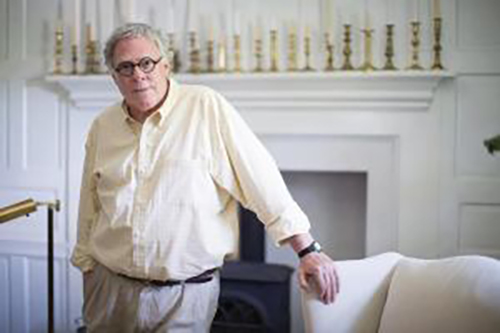
Morgan was the architecture critic for the Louisville Courier-Journal many years ago. His column, entitled the Urban Environment, was nominated for the Pulitzer Prize in criticism.