Newport’s Most Fascinating Neighborhood – Architecture Critic Will Morgan
Will Morgan, Architecture Critic
Newport’s Most Fascinating Neighborhood – Architecture Critic Will Morgan
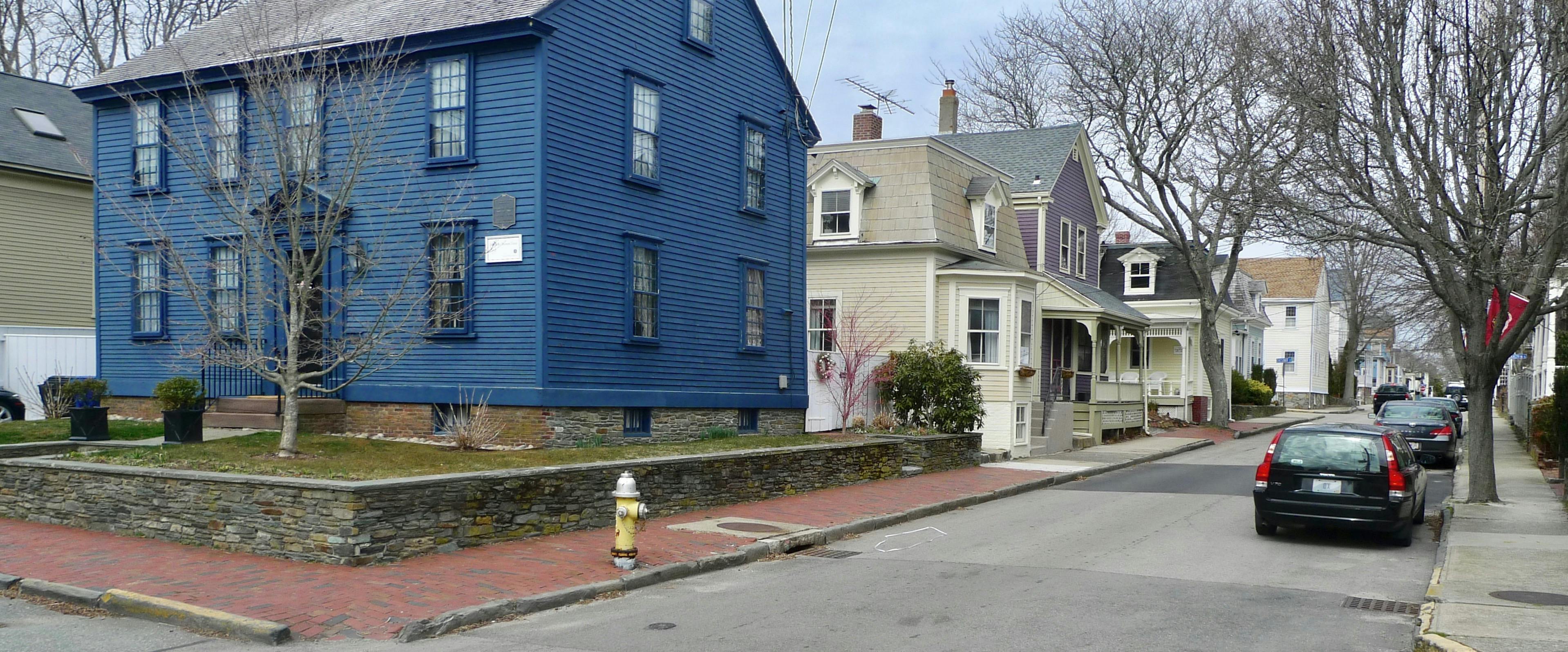
In the rush to tour the mansions, amble along Cliff Walk, cruise Ocean Drive, or head for the bar scene on Thames Street, visitors to Newport bypass one of the colonial capital's most fascinating and enchanting neighborhoods, the Point.
GET THE LATEST BREAKING NEWS HERE -- SIGN UP FOR GOLOCAL FREE DAILY EBLAST
A 30-block enclave on Newport's northwest side between the harbor and the railroad tracks, the Point is one of the city's oldest, if least known, areas. Except for a historic house museum and the brooding Gothic presence of St. John the Evangelist, the Point is completely residential.
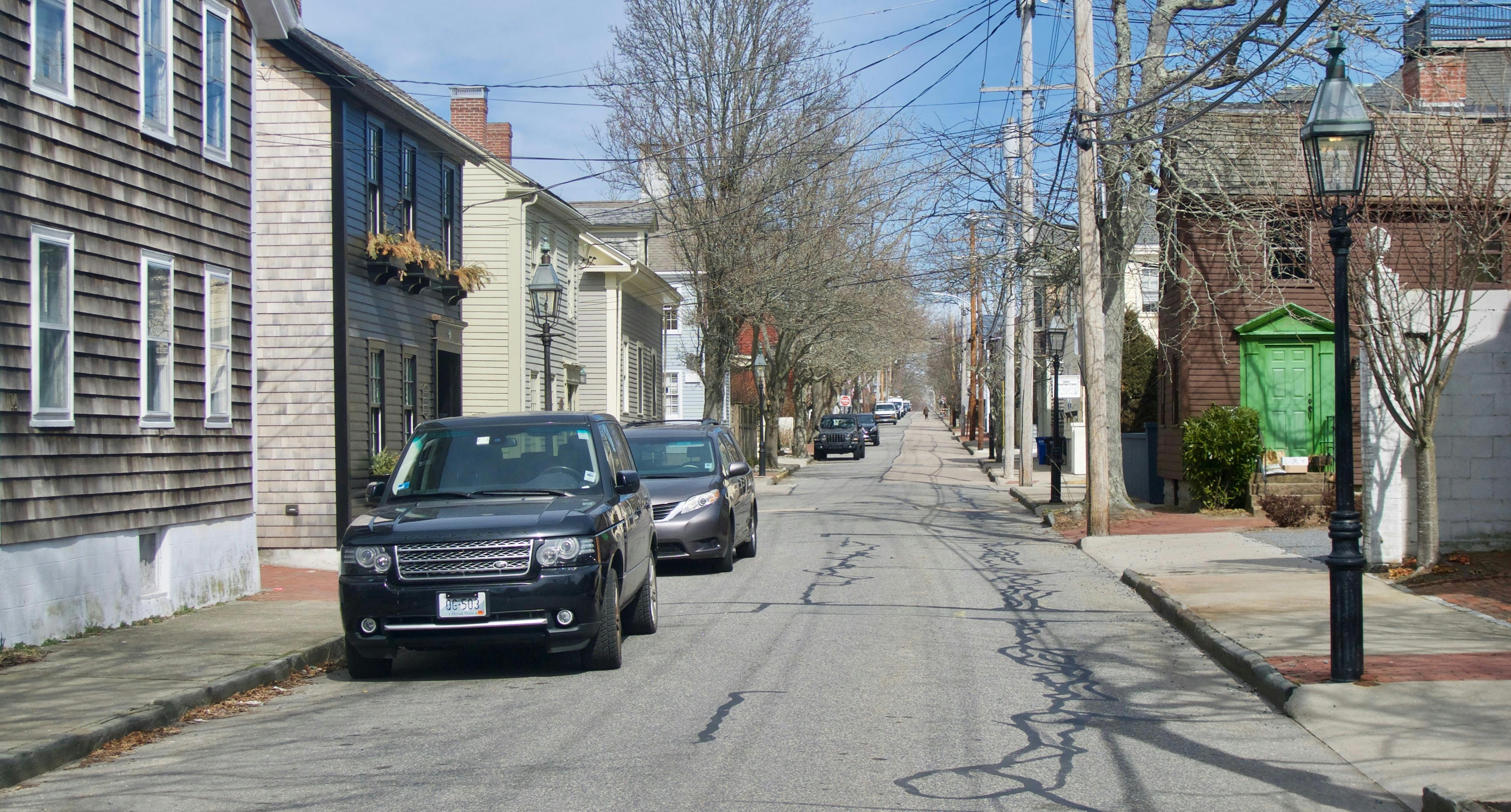
There are no stores or offices here. There is very little open space. What there is here comprises a marvelously intact collection of 18th and 19th- century homes. Compared to the barren expanse of America's Cup Boulevard, the honky-tonk of Thames Street, or the star power of Bellevue Avenue, the Point is an intentionally insulated treasure–a quiet, utterly human-scaled oasis.

And yet the Point has been discovered and is undergoing some dramatic, perhaps irreversible changes. While having avoided the insensitive planning that ruined the character of much of the harbor area, this exceptional hidden gem of an urban enclave is now threatened by its very success. In a word, the Point has gotten hot. And in a city that regards historic preservation as a near religion, what is happening in the Point bodes ill for the whole town.
No one denies the drawing power of one of America's most historic cities, but there were fallow decades between the Gilded Age and Newport's current renaissance. I am old enough to remember a Navy town with mariner's bars, flophouses, and blocks of unrestored old houses. Back before the Pell Bridge, Newport was a backwater, even something of a dump: an ironic landscape of palatial mansions surrounded by tawdriness and poverty, with a large gap between the yachting crowd and everyone else.
The Point, the location of the city's original harbor, probably comes closest to what the rest of Newport was like seventy years ago. Except for the larger houses along Washington Avenue (some restored with Doris Duke largess), the rows of smaller houses amidst a handful of 18th-century homes represented typical working-class housing. The northern half of the neighborhood still retains that sense of a less-than-glamorous Newport. Here dozens of unrestored dwellings are awaiting an influx of capital, no doubt displacing any remaining un-well-heeled residents. There is one $7.9 million house on the market in the Point, but most are priced beginning at $1 million. As a Newport architect explained it, "The Point is now a wealth-only zone."

The Point is very seductive, with smallish houses in a believable early American setting, along with a delightfully walkable European ambiance. It is no wonder that the Point has transformed from a modest neighborhood into an example of boutique preservation. The diminutive house sizes and the once relatively modest prices are especially attractive to second homeowners from elsewhere who find Newport more accessible and less expensive than the Hamptons, the Vineyard, or Nantucket.
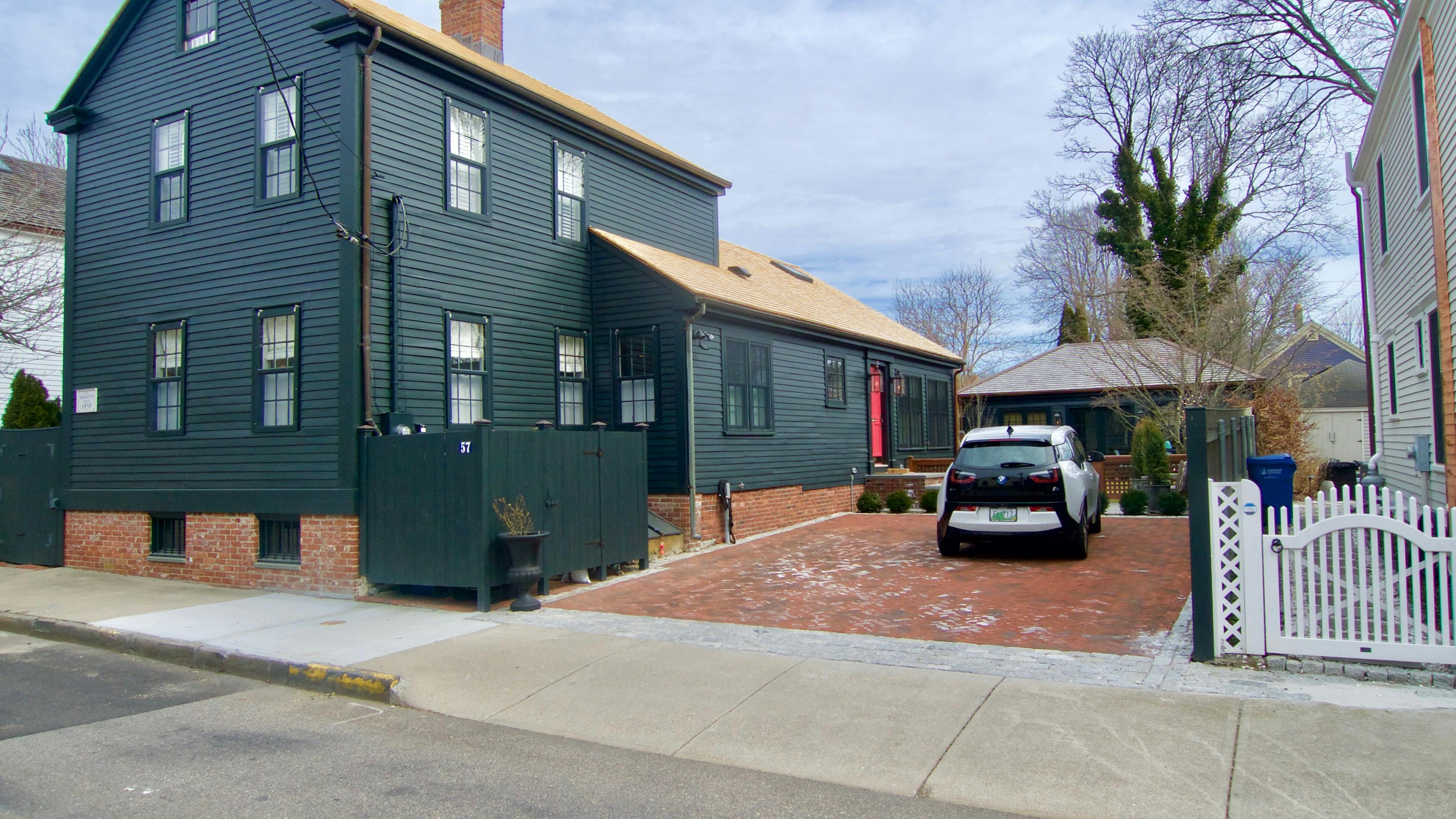
The newly restored out-of-towners' second homes are shelter magazine precious, characterized by wee English gardens, flanked by cobblestone parking areas for the Porsche, BMW, or Range Rover. Yet, the Point is filled with a variety of styles from colonial to Georgian, Greek Revival, and Victorian. While local preservation ordinances do not specify styles, new construction here tends mimic the late 18th and early 19th-century forebears. One senses a new attitude to conservation: "I want the cachet of a historic property, but I do not want to deal with the messiness of an old house." There seems to be a feeling that the constraints of the Historic District Commission do not apply to those willing to spend pots of money in pursuit of their early American fantasies.
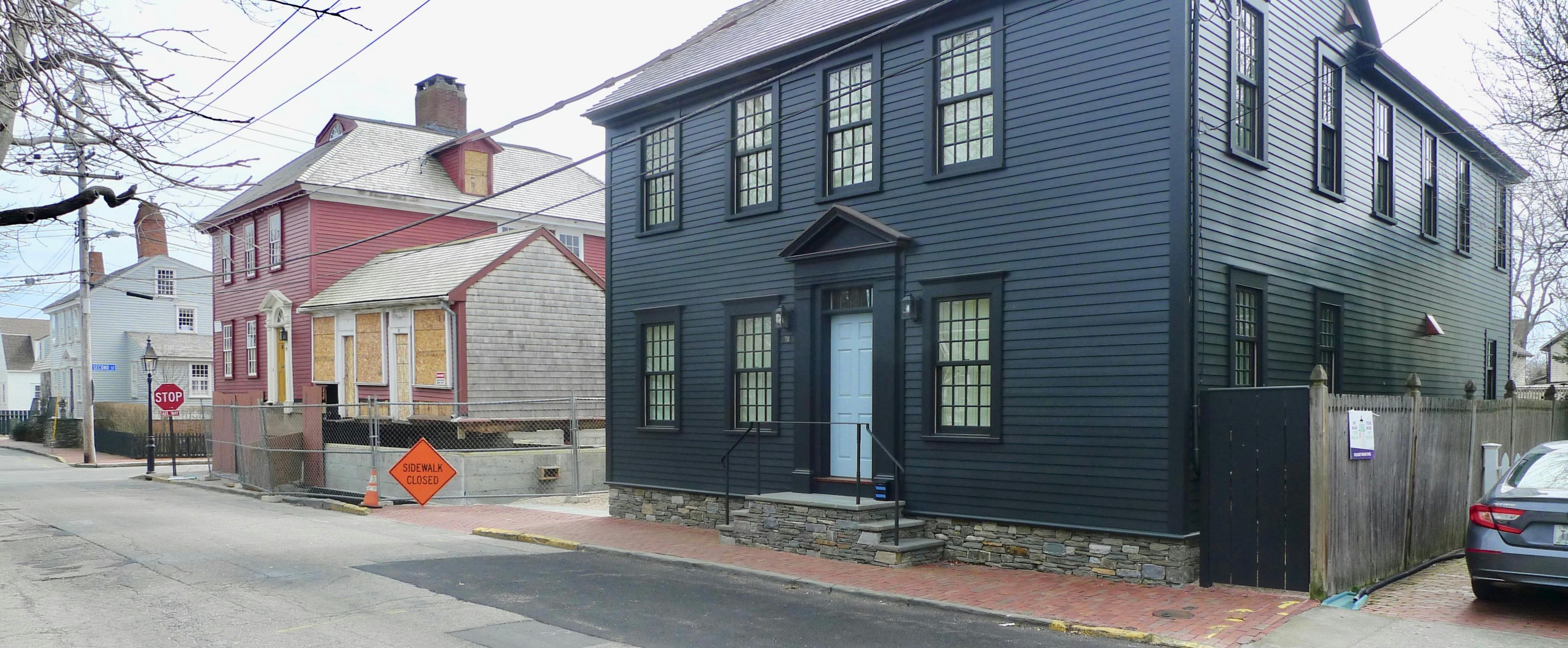
The encroaching seas caused by climate change compound gentrification of the Point. Home restorers are paving their yards to accommodate their urban assault vehicles, while both the streetscape and the infrastructure underneath are threatened. In order to secure flood insurance and abide by FEMA guidelines, houses in the Point would need to be raised fifteen feet. Some restorers are shouldering the expense of elevating their old houses on new foundations, in what seems almost a competition between neighbors. Yet those residents who are not affluent or own other homes are out of luck.

Newport is one of the country's great preservation success stories; and respect for its architectural patrimony pretty much saved the city. But it is ironic that the tourist-focused development area along the harbor does not have historic district protection, and now the city faces the demolition of old warehouses at Waite's Wharf for a new hotel. While that sort of developer's mentality is to be expected downtown, the threat to the Point is more dire, exposing the inability of preservationists to protect themselves from their success.