A New Domestic Style for Our Cheap Age–Architecture Critic Morgan
Will Morgan, Architecture Critic
A New Domestic Style for Our Cheap Age–Architecture Critic Morgan
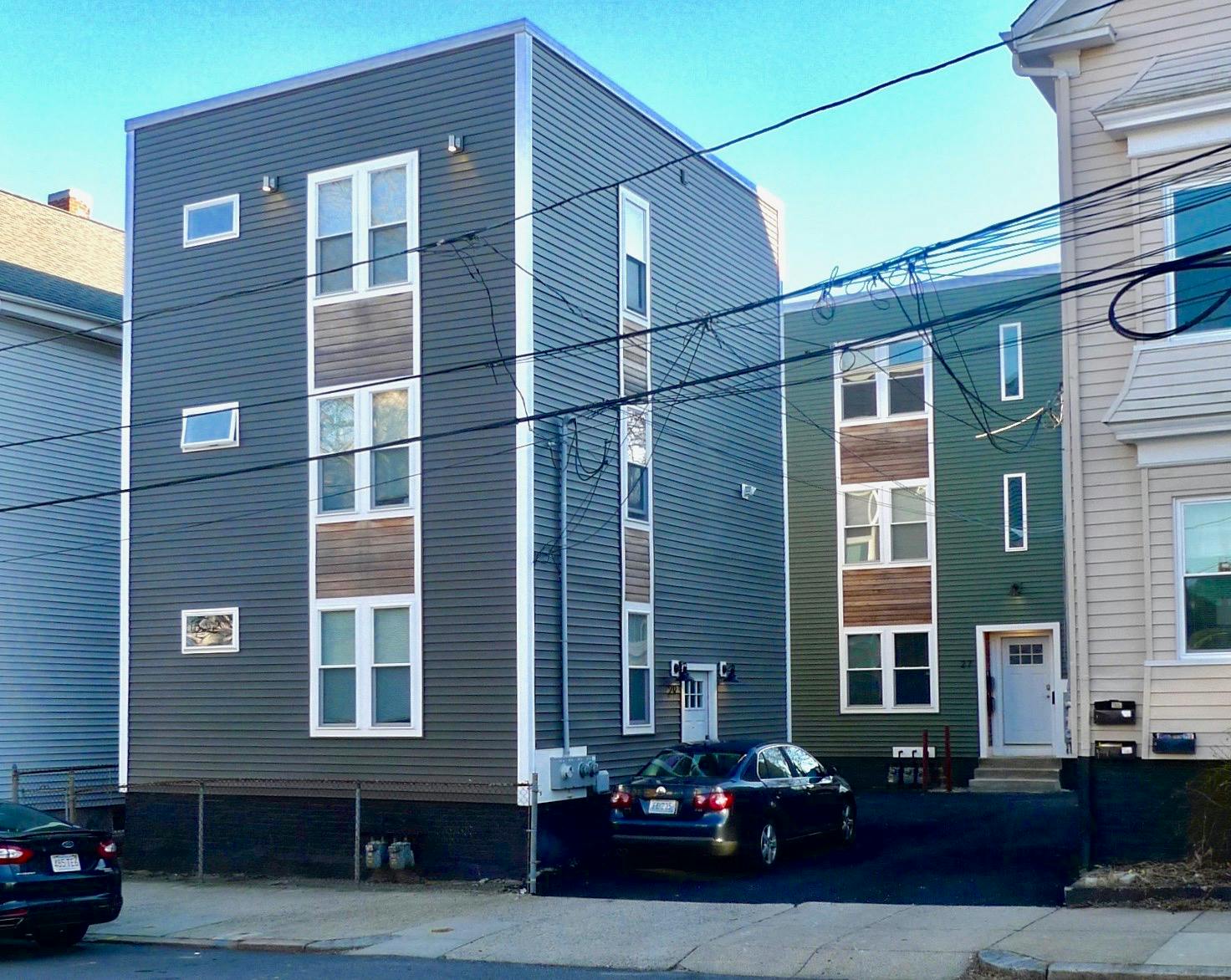
Ubiquibox is a style name I am giving to those ubiquitous box-shaped apartments that are invading the East Side of Providence. The shapeless, undecorated container is the perfect metaphor for the 2020s and our race to the bottom, turning away from our city's rich heritage of domestic architecture.
GET THE LATEST BREAKING NEWS HERE -- SIGN UP FOR GOLOCAL FREE DAILY EBLAST
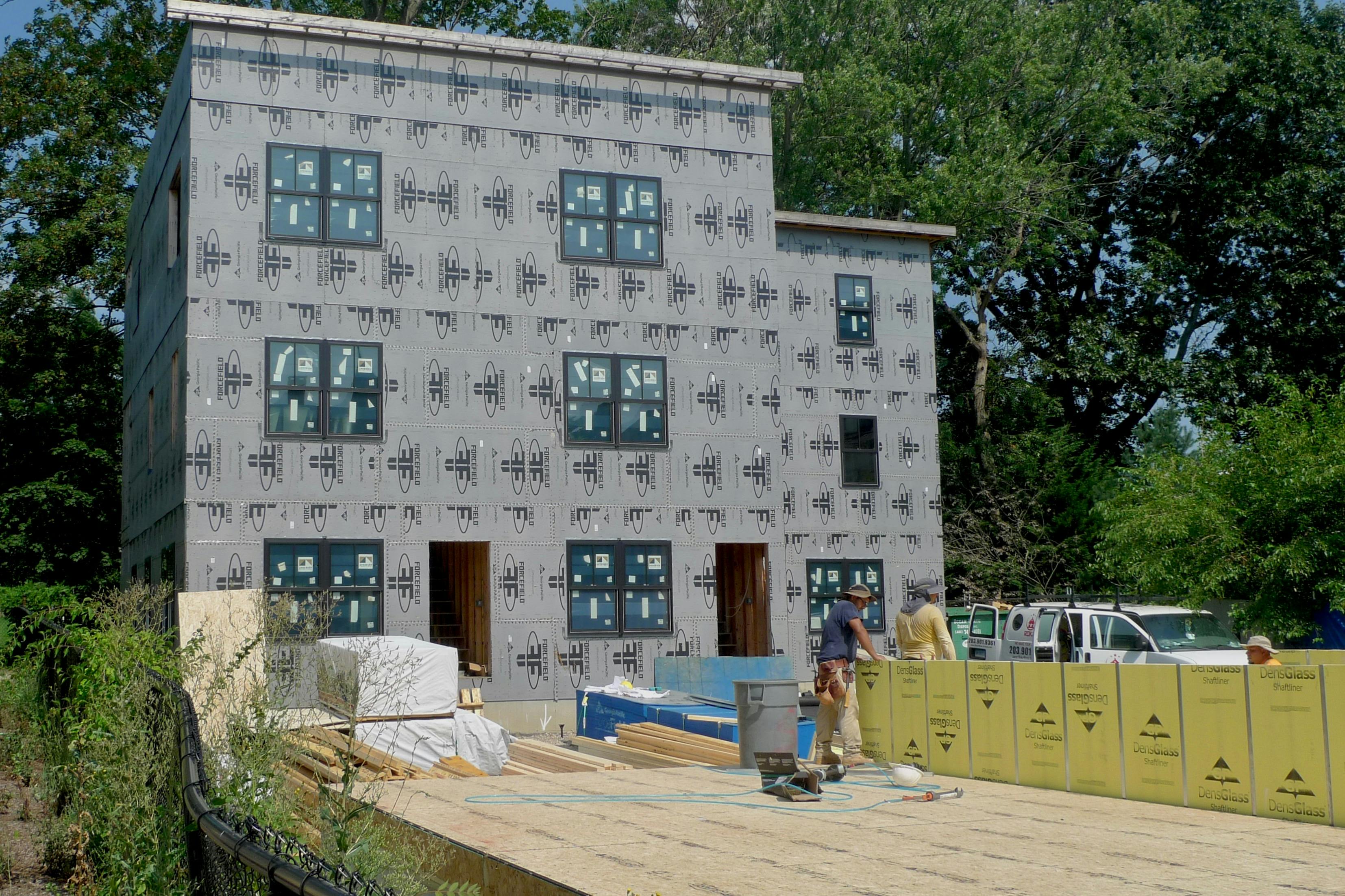
251 Hope Street, a speculative apartment box, is a classic and egregious example this fast-growing, lowest common denominator style. The first of a pair of lot-crowding make-it-as-cheaply-as-you-possibly-can, the six units here will have nothing special that their residents can brag about.
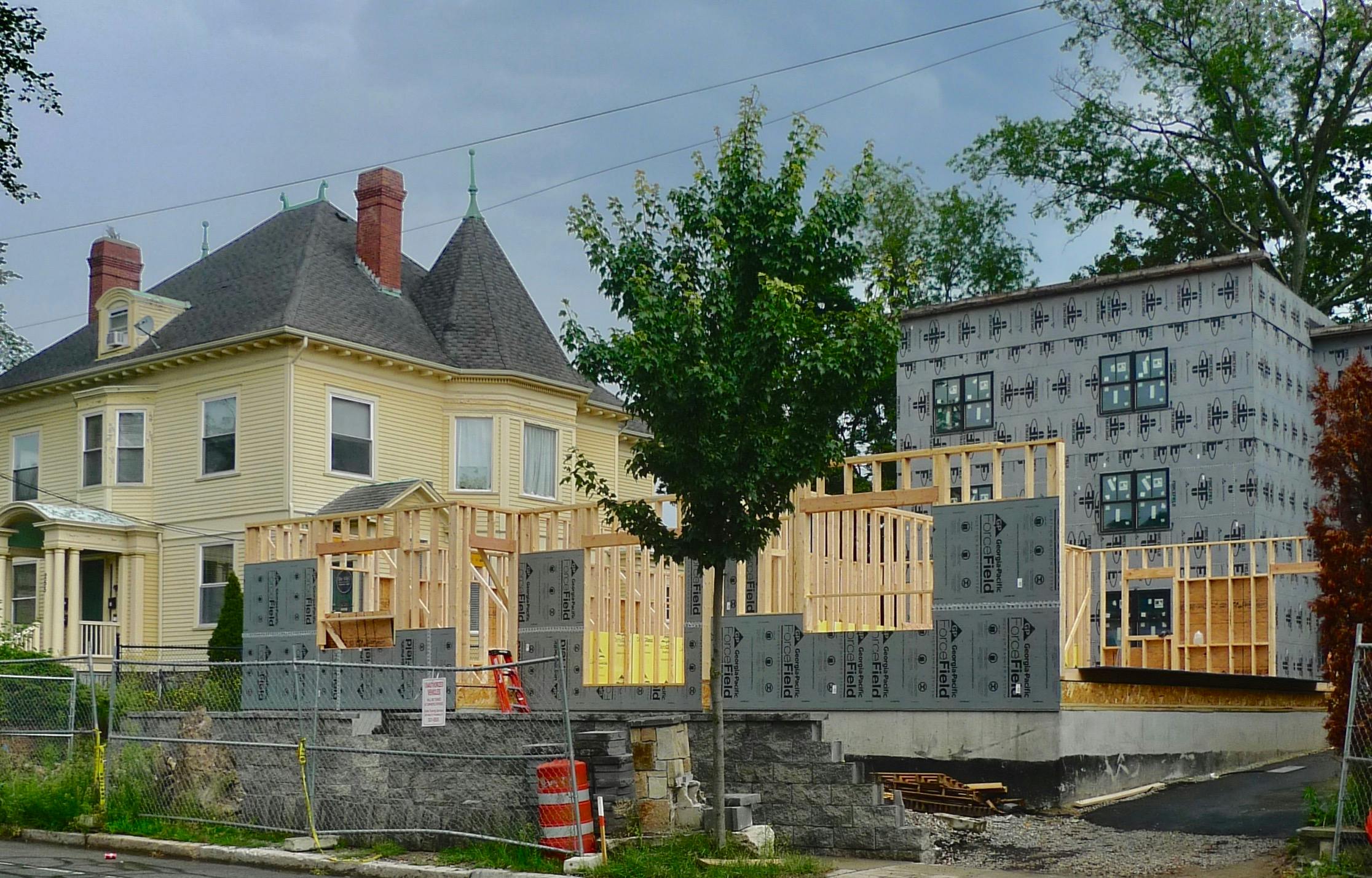
This plainer than plain facade (purportedly to be covered with wood shingles) has no elements of style whatsoever. There are no window surrounds to give any sort of shadow lines, nothing that would belie the shallowness and flatness of the box form. There is no sense of entrance or procession, nor any place to rest the eye, nothing to excite the imagination, nor anything visually appealing to add value to the immediate neighborhood.

It is possible to tart up the Ubiquibox, as can be seen in the wannabe elegant apartments on the corner of Waterman and Hope Streets, a site fraught with misadventure. Here once stood a magnificent beech tree, illegally cut down. Last year an apartment box was started, but torn down for code violations. Now, another Ubiquibox is rising in the shadow of the three magnificent Lippitt mansions (hoping to borrow a little of their aura?). Yet, three bedrooms, three bathrooms, and all sorts of interior amenities cannot hide the fact that this is a cheaply constructed stick-built structure faced with a thin veneer of stone in the hope of making it appear more solid.

Every generation develops architectural styles that speak of their times and spirit; all styles impart a political message. But here, instead of the work of creative architects, Ubiquibox gives us the architectural equivalent of Gordon Gekko's "Greed is good."
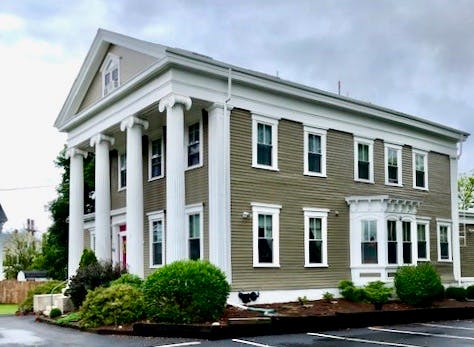
The Gilded Age palaces of Newport are the ultimate expressions of excess, but there are many domestic styles that spoke of wealth, social ambition, or simply keeping up with the neighbors.
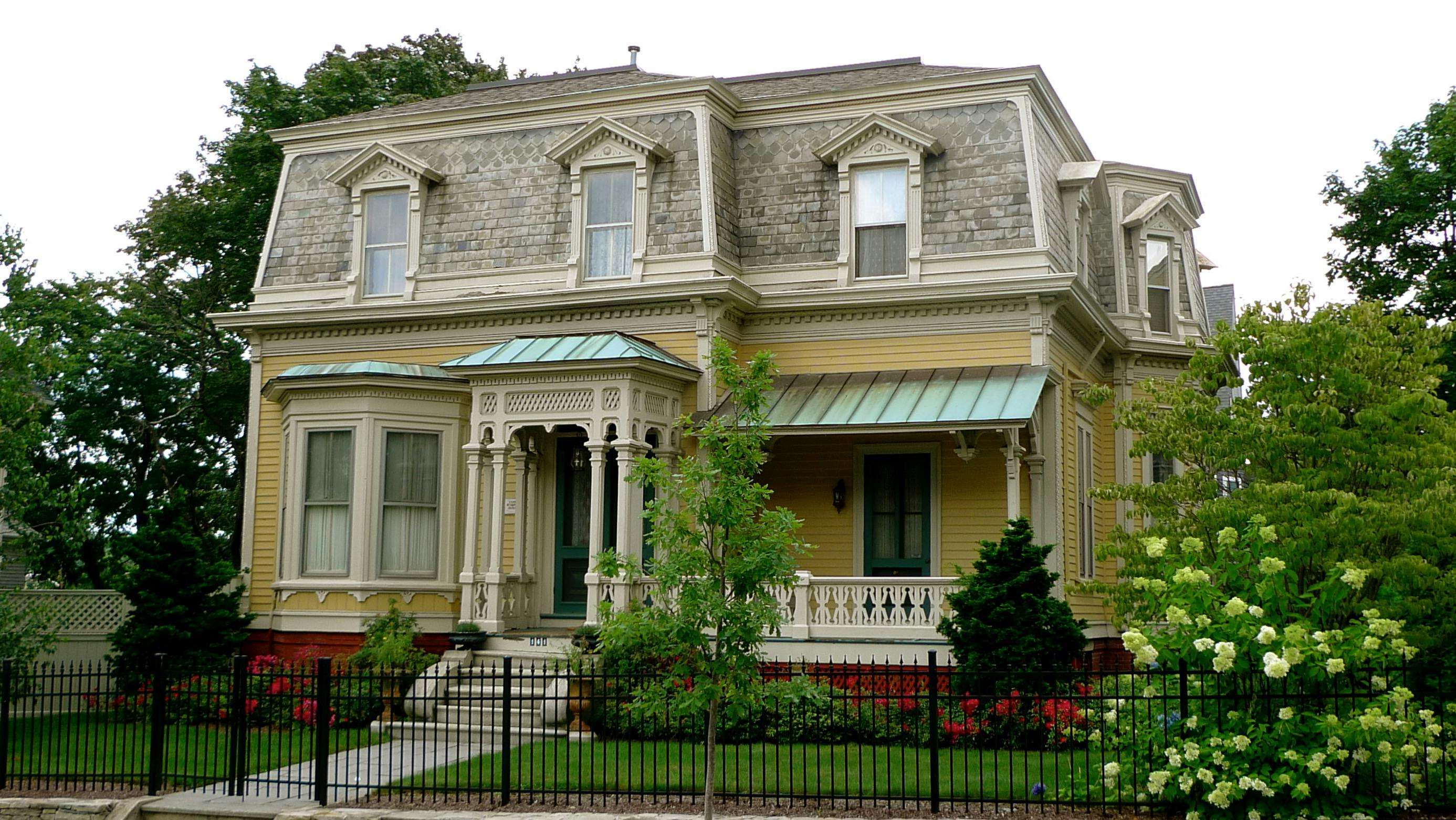
The Italianate, with its asymmetrical plans and broad porches, was more casual than the blocky Greek temple, and was found from simple farmhouses to mansions. While the characteristic towers were supposedly reminiscent of rural Tuscan villas, the style owned more to its embrace by Queen Victoria when building her own seaside retreat. Eugénie, another Empress and the wife of Napoleon III, inspired the widely popular Second Empire style. The characteristic Mansard roof brought a touch of French elegance to houses all across America.
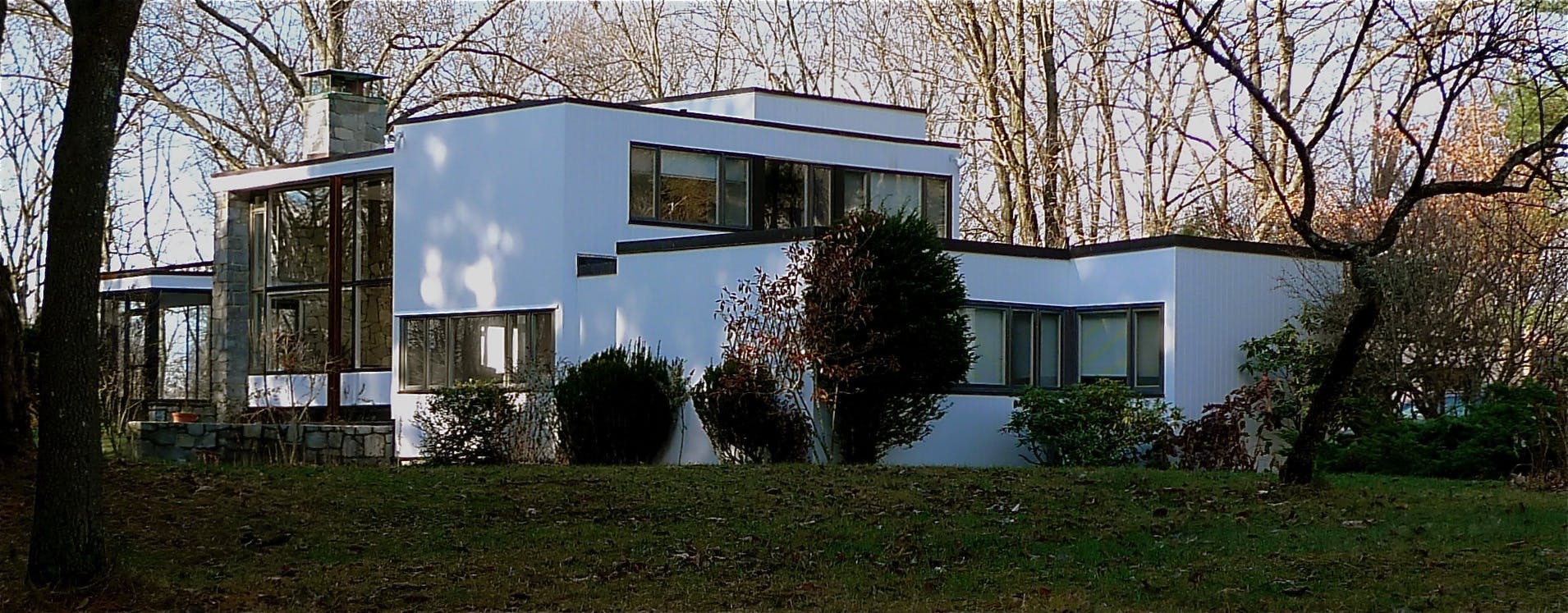
There are plenty of domestic styles based on the box, such as the flat-roofed houses throughout the East Side designed by Ira Rakatansky. But these modern International style dwellings had solid philosophical and sociological underpinnings for their cubic forms and seeming plainness and were not the product of cost-cutting sloth or aesthetic blindness.
Architectural style is a way of identifying ourselves, providing clues to what we are, or to what we aspire. What does the Ubiquibox say about its builders and its residents (presumably dorm-fleeing students, temporary residents who will give little to the community)? Our current housing market drives us to litter one of the most attractive neighborhoods in the nation with Ubiquiboxes that shout: I am insubstantial and I care about nothing other than making money for my architecturally illiterate developers, and never would consider contributing anything worthwhile to the history and ambiance that has made this neighborhood so desirable.