Our Environment: “Connors Farm Is Wild and Scenic ” By Scott Turner
Scott Turner, Environmental Columnist
Our Environment: “Connors Farm Is Wild and Scenic ” By Scott Turner
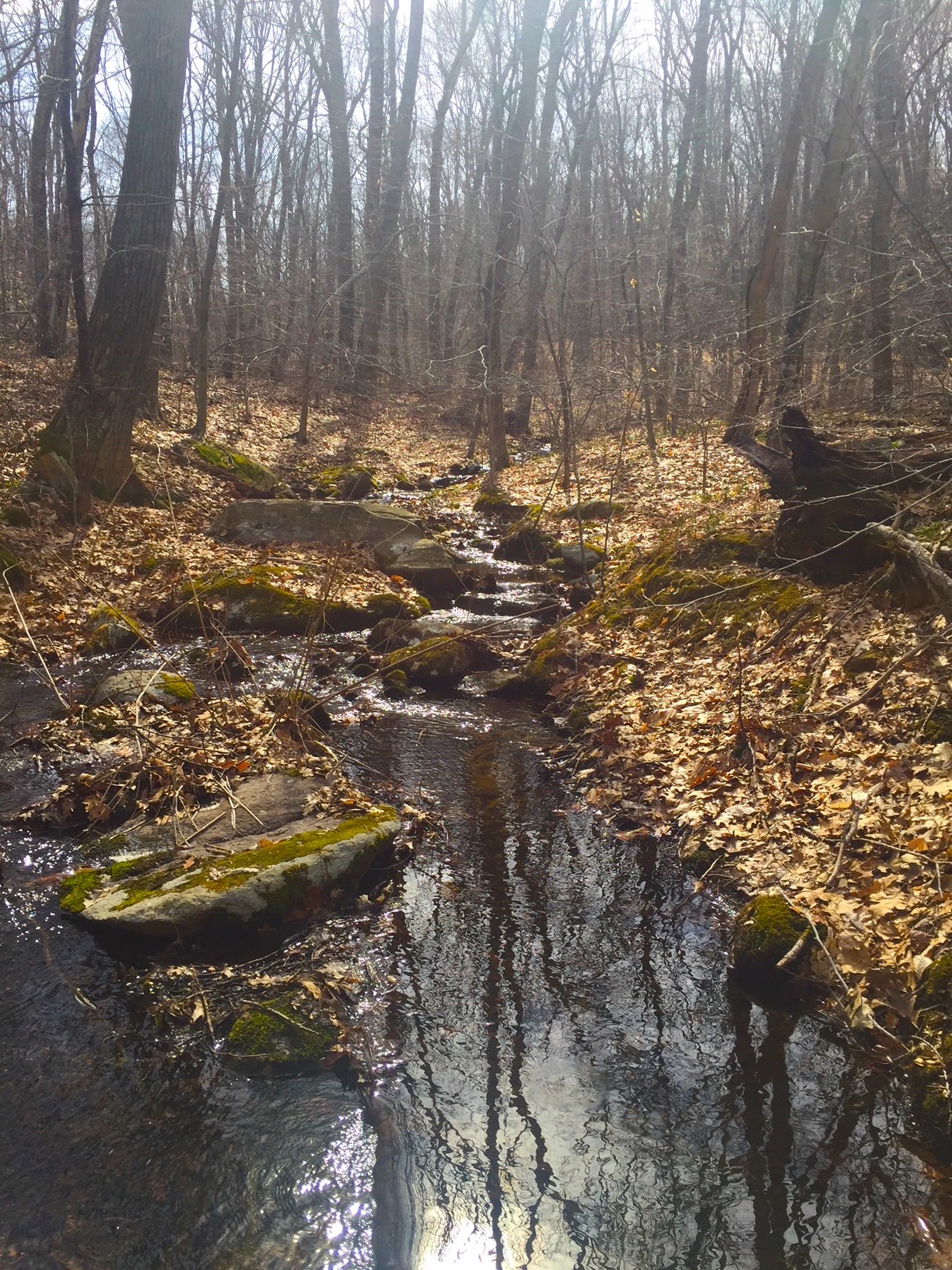
Our exercise came, trekking the up-and-down Red Trail of Connors Farm Conservation Area in Smithfield.
That sunny day featured the season’s first 70-degree afternoon. Lots of little bugs flew in the sunshine. Fittingly, we found our first-of-the-year Eastern Phoebe, an insect-eating songbird, darting after the flies.
GET THE LATEST BREAKING NEWS HERE -- SIGN UP FOR GOLOCAL FREE DAILY EBLASTSpringtime pools of water marked the woods. Cattails grew in a permanent pond. Numerous times we heard spring peepers, and listened to wood frogs at two separate sites.
A long stonewall ran through the forest, which featured multiple tall red oaks. Wind whooshed through their crowns. We also found many black birch trees, including some lofty specimens, particularly where the trail rose into the rocky ledges. Black birch bark contains methyl salicylate, a liquid that smells like wintergreen.
In the bottomland of the trail, the less-common yellow birch was present. We recognized this species by its characteristic, gilded peeling bark. Yellow birches’ inner bark and twigs also contain wintergreen odor and taste.
At several points, we listened to streams babble. We paused at one crossing, noting the water was clear, yet tannic (brown) in color. Red oaks and tannic-colored water often go together.
When the trail began to rise, we found black oaks. Their bark was black and blocky, compared to that of the red oaks, which were grayer and striped vertically. Then, higher up the trail, white oaks mixed in. Their bark was much lighter, tannish in color and shredded higher up on the trunks.
The woods also contained a good number of young American beech trees. They featured light gray bark. Most of the beeches still held their tan leaves from 2018.
_Karen_Wargo.jpg)
If you like rocks, then you should visit Connors Farm. Above all, there is a dramatic rise of outcrops, boulders and slabs. This jumble includes overhangs, crevasses, and maybe even caves.
In addition, many stones stick up from the ground, and lichens of various sorts cover them. Composed of algae and fungi, lichen is slow growing and usually green or grayish green.
The two-mile-long trail led us atop the rocks. Thus, our sweating, by the time we reached the highpoint. Up there, we discovered a picnic table, which we employed to catch our breath. The view stretched out over the woods to a forested ridge in the distance.
Where we sat, the vegetation contained young beech and white pine, with scattered, small mountain laurel shrubs.
The trail map noted several other hiking trails. For example, we saw a “Cave Trail.” Wonder what that walk was like? Moreover, I think we ambled past a wild cranberry bog unknowingly. I would like to visit that spot again.
Connors Farm was wild and scenic and just a 20-minute drive from our Providence home. I would think that on a humid summer day, we would really sweat that same walk. Plus, the water-rich property is likely a mosquito haven (good eating for flycatchers like the phoebe).
For an April afternoon, though, Connors Farm was a lovely introduction to early spring. We’re thinking that an autumn return might be in order. Given the tree species there, the fall colors will likely be spectacular.