A Resting Place for All: North Burial Ground – Architecture Critic Morgan
Will Morgan, Architecture Critic
A Resting Place for All: North Burial Ground – Architecture Critic Morgan
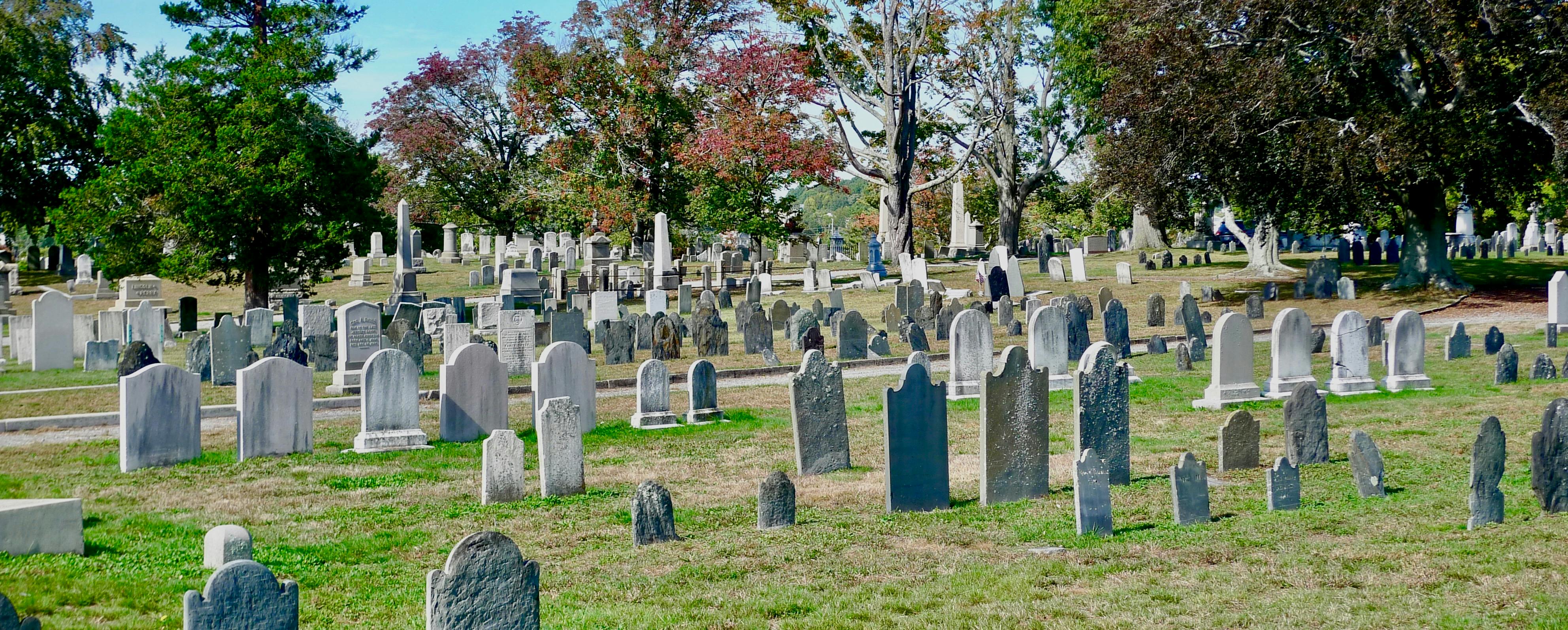
The Day of the Dead will be celebrated this year at the North Burial Ground. From 5 until 8 on November 2, there will be a picnic and a procession with music throughout the 110-acre necropolis. We might think of Dia de los Muertos, when families gather, graves are decorated, and meals eaten, as a distinctly Mexican tradition. But its celebration in Providence's municipal burial ground is another indication of this city's renowned diversity. It also symbolizes the cemetery's renewed popularity as the final resting place of non-White families.
GET THE LATEST BREAKING NEWS HERE -- SIGN UP FOR GOLOCAL FREE DAILY EBLAST
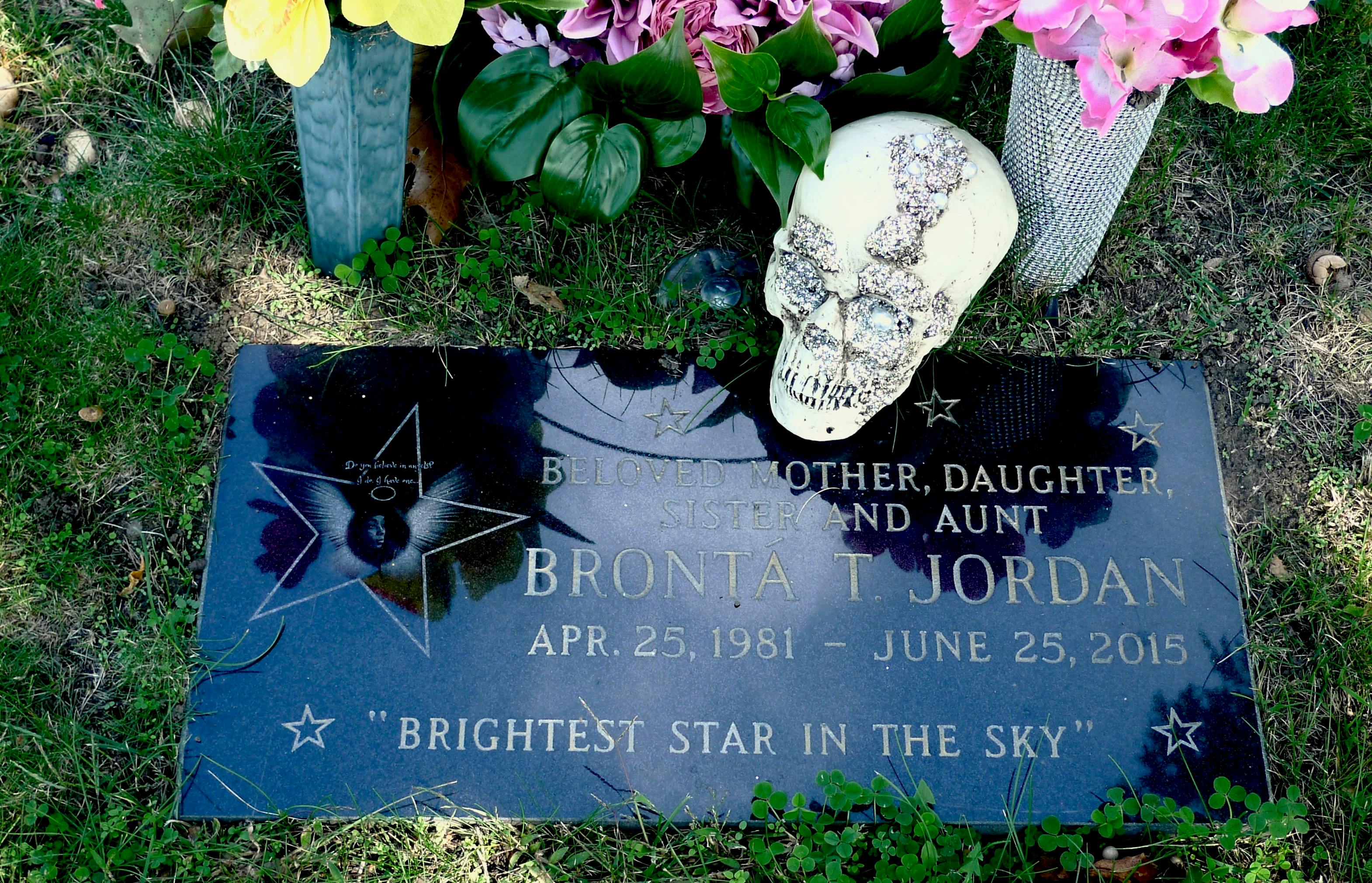
There is a recently open section close to the fence along Branch Avenue, where passersby see funerals for people of color, immigrants from all over the world, and from all sorts of backgrounds. There are highly embellished gravestones here that reflect the city's mosaic of ethnicities, and challenge the usual notion of a Colonial-era Yankee burial ground. Take, for example, the black and white marker for Joseph "Joseppi" Cuoto, emblazoned with its Hells Angels Forever motto. Here, too, are gaily-decorated graves memorializing every stripe of Latinx, African, Arab, and Muslim as well as Black American.

As, Annalisa Heppner, Director of the North Burial Ground notes, "We can witness here the transition from the Brown family to brown skins." This reflects that fact the city cemetery is more affordable than private gardens of rest, such as Swan Point. Yet, the cemetery's Freeground (what would be called Potter's Field in other places) was integrated from the start, with slaves, free Blacks, and Native Americans buried without regard to their status in their earthly lives. Only half of the 80,000 burials here have marked graves. The Quakers had their own section, as did various fraternal organizations, such as the Elks' Rest, for the Benevolent Protective Order of Elks.

Since Rhode Island did not have official town commons, unlike the other New England colonies, the North Burial Ground acted as an all-purpose municipal arena. The militia paraded here, animals were impounded, and this is where the whipping posts and the stocks were set up for the administration of justice. During the 19th century, the burial ground assumed the role of rural cemetery, where winding lanes, abundant oaks, and Victorian statuary literally made the cemetery a public park, a destination to take in nature, have picnics, and contemplate the specter of death.
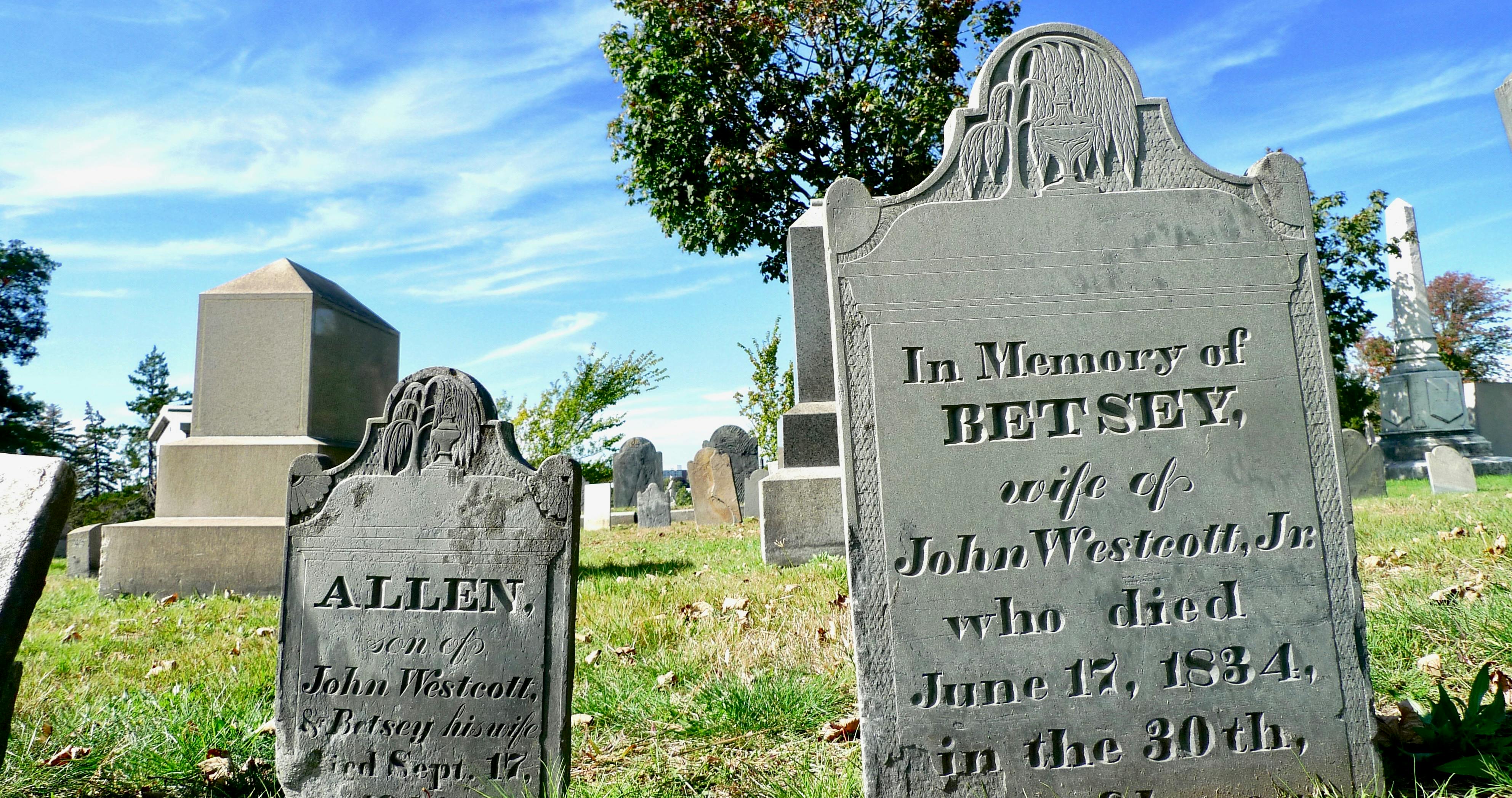
Because of the democratic nature of the North Burial Ground, there are not many ego-flexing nouveau riche tombs or mausolea, although there are a few statues of note. But the 35,000 or so headstones provide an abundant historical record. Plus, they provide a fascinating range of sculptural talent and artistic aspiration, each telling of their era's particular spirit.

The North Burial Ground is one of Providence's greatest assets. As a public park the cemetery is to this city what Central Park is to New York or the Tiergarten to Berlin. As a necropolis it is the equivalent of London's Highgate or Père Lachaise in Paris. Written in slate, marble, granite, and greenery, it preserves our city ‘s history eloquently. North Burial Ground will run out of space for interments in about twenty-five years, but even completely filled it ought to remain one of our great tourist draws. Right now, this historic burial ground could use some more financial support from the city to make it a more appealing tourist destination.
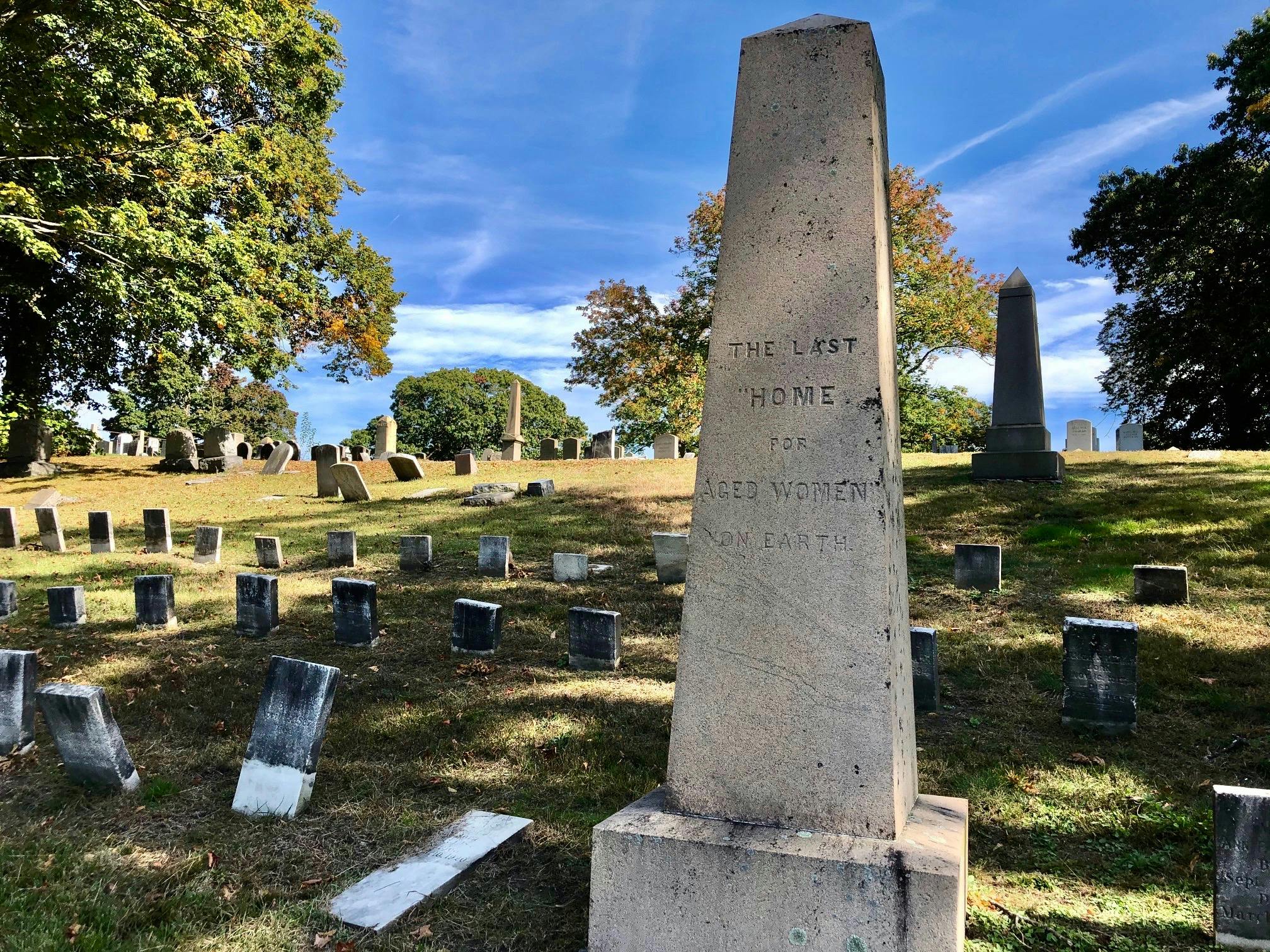
For what was originally a necessity, and later a recreational amusement for Victorians, is now an evolving museum of the history of Providence. While most people probably take a large municipal cemetery for granted, North Burial Ground deserves to cherished and developed as a great American showplace.