


Old Miriam Hospital Transformed to Elegant Living on Parade St. -- Morgan, Architecture Critic
William Morgan, Architecture Critic
Old Miriam Hospital Transformed to Elegant Living on Parade St. -- Morgan, Architecture Critic
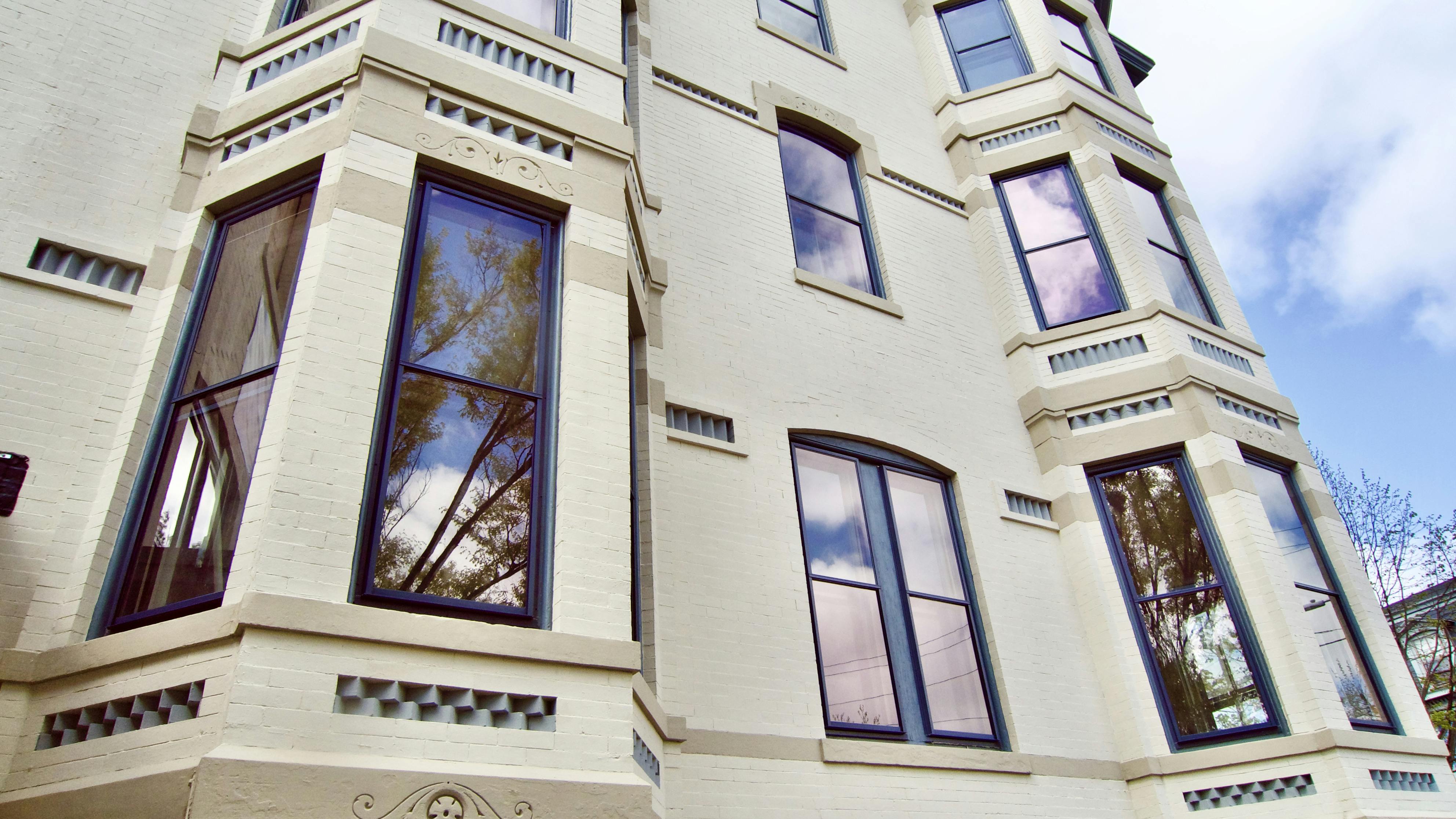
Just down the street from the Cranston Street Armory on Providence’s West Side, an elegant apartment development is about to welcome its first residents. What was originally four 1878 row houses, and then the original Miriam Hospital, has been transformed into one of the city’s most desirable rental properties. At a time when the East Side and Downtown are seeing the construction of more Ubiquiboxes–or Stumpies, as planners call them, the revitalization of the old Miriam is an example of how to do residential architecture right.
GET THE LATEST BREAKING NEWS HERE -- SIGN UP FOR GOLOCAL FREE DAILY EBLAST

The developer of the Parade Street block is a team led by Mark Van Knoppen. Van Noppen is best known as the founder of the Armory Revival Company, and has been restoring houses and mills on the West Side since 1986. The neighborhood developers have restored 500 houses and apartments, as well as 387,000 square feet of commercial space, including the Rising Sun Mills, Pearl Street Lofts, and The Plant. The architect of the Miriam makeover is another West Side resident, Jack Ryan; the contractor is Stand Corp.

Here this team has taken the four-row houses and fused them into a single platform with a new three-story addition, for a total of twelve two-bedroom apartments. While respecting the scale of the earlier parental structure and the rhythm of its bays, this wing is openly contemporary. Covered with 1-inch-thick terra cotta panels and featuring set-in casement windows (the windows throughout are operable), this wing serves as the template for a future freestanding 19-unit to be built on the adjacent lot to the south.

This Parade Street block has served many functions over the years. Following World War I, for example, it was home to three rooming houses and a private maternity hospital. While Jewish doctors practiced at Rhode Island Hospital, the idea of a separate Jewish hospital had been around since the turn of the 20th Century. In 1925 these combined units became The Miriam; it moved to its present location in the Summit neighborhood in the 1954. Its successor, Park View Nursing Home folded in 2019. While the plan of the West Side hospital has long morphed, some original elements remain, such as the skylit operating room on the top floor of the Miriam which survives as the kitchen of the one of the apartments.
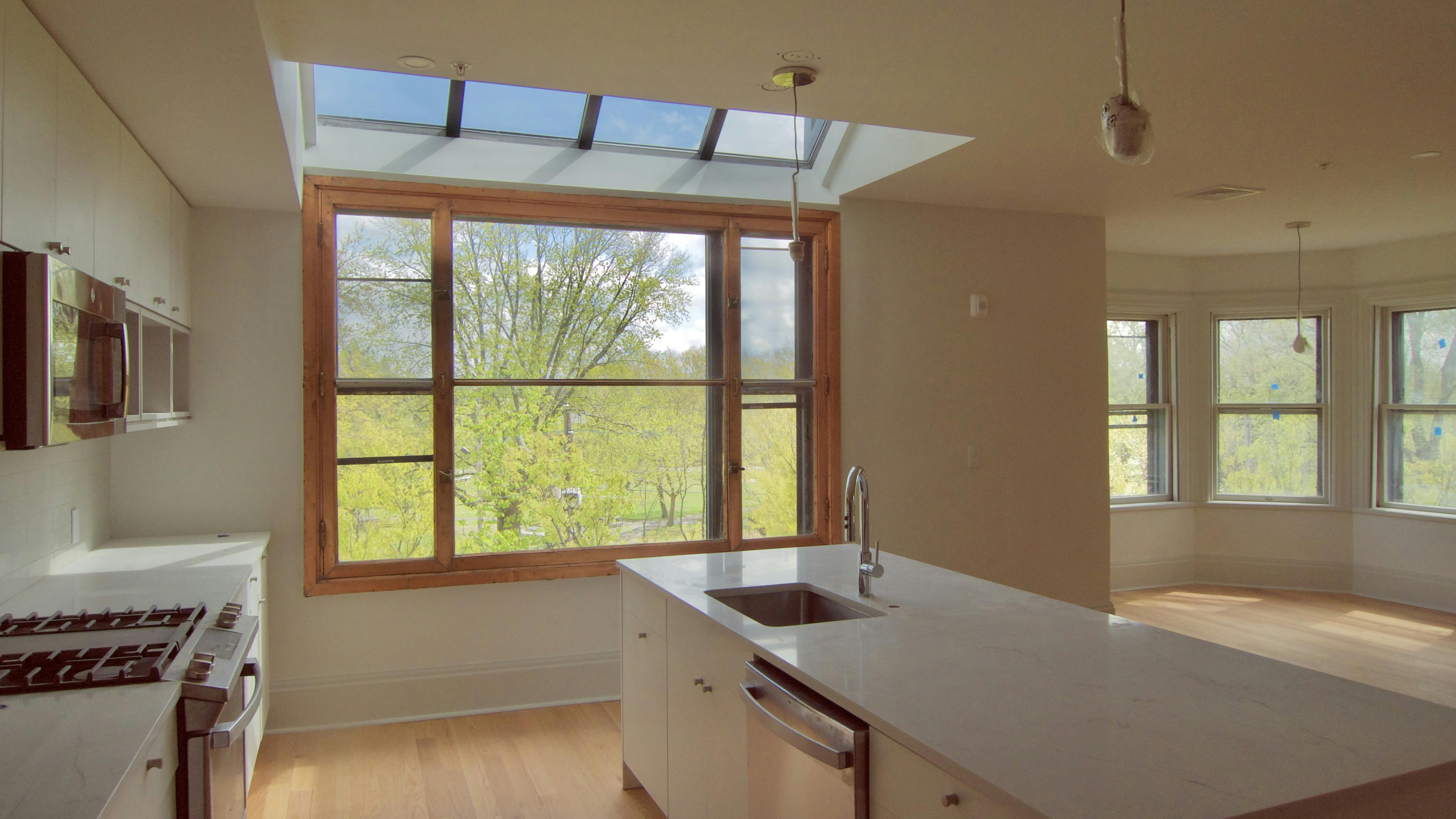

The projecting oriel motif from the front building is carried out on the new addition. Set off by metal panels with baked-on enamel, the terra cotta siding is downright handsome and an appropriate contribution to the neighborhood The 1,200 to 1,400-square-foot flats provide a refreshing contrast to the cheap apartment blocks going up downtown and across College Hill. Renovation and restoration are usually superior to new construction–better environmentally and offering generations of experience as contributing members of the townscape.

Park View ought to appeal to those looking for well-crafted apartments with a bit of vintage city panache (not to mention a park setting). Jack Ryan and the entire Armory crew show how to do apartments right. Best of all, good, solid, affordable real estate will bring new residents to the neighborhood, creating the critical mass vital to the overall revitalization of this historical and architecturally rich section of Providence.