


Smart Benefits: 2015 Health Insurance Rates Approved
Amy Gallagher, GoLocalProv Business/Health Expert
Smart Benefits: 2015 Health Insurance Rates Approved

New Rates
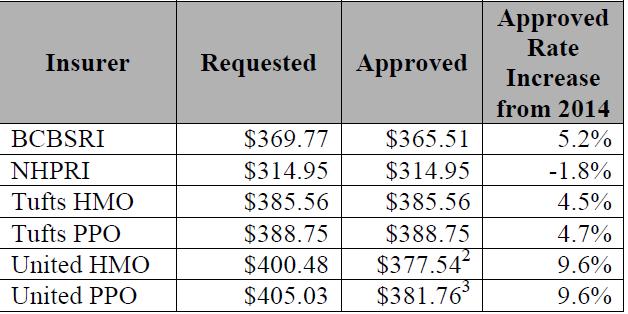
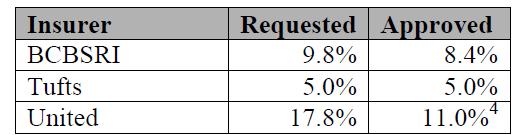
The rates requested and approved for the four largest carriers in the market – Blue Cross Blue Shield of Rhode Island (BCBSRI), Neighborhood Health Plan of Rhode Island (NHPRI), Tufts Health Plan (Tufts) and UnitedHealthcare (United) – are as follows:
GET THE LATEST BREAKING NEWS HERE -- SIGN UP FOR GOLOCAL FREE DAILY EBLAST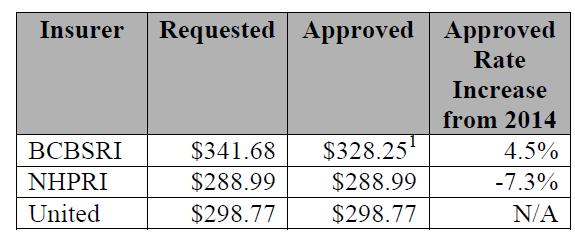
What You See Isn’t Necessarily What You’ll Get
In the individual and small group markets, the EHB (Essential Health Benefits) Base Rate is the premium for a plan with no cost-sharing for a 21-year-old – and serves as the basis for the rates that will be charged for plans. Final rates will differ based on a subscriber’s age and benefits chosen.
For large groups, the expected premium increases are averages; employers will have higher or lower rates based on demographic changes in their workforce and their company’s utilization rate.
Premium Drivers
The rising cost of medical care – what insurers pay providers for services and the number of services members use – continues to be the main driver of health insurance premium growth.
Amy Gallagher has over 21 years of healthcare industry experience guiding employers and employees. As Vice President at Cornerstone Group, she advises large employers on all aspects of healthcare reform, benefit solutions, cost-containment strategies and results-driven wellness programs. Amy speaks regularly on a variety of healthcare-related topics, and is often quoted by national publications on the subject matter. Locally, Amy is a member of SHRM-RI, the Rhode Island Business Group on Health, and the Rhode Island Business Healthcare Advisory Council.
New England's Healthiest States 2013

6. Rhode Island
Overall Rank: 19
Outcomes Rank: 30
Determinants Rank: 13
Diabetes Rank: 26
Smoking Rank: 14
Obesity Rank: 13
Strengths:
1. Low prevalence of obesity
2. High immunization coverage among adolescents
3. Ready availability of primary care physicians
Challenges:
1.High rate of drug deaths
2. High rate of preventable hospitalizations
3. Large disparity in heath status by educational attainment
Source: http://www.americashealthrankings.org/RI

5. Maine
Overall Rank: 16
Outcomes Rank: 25
Determinants Rank: 12
Diabetes Rank: 23
Smoking Rank: 29
Obesity Rank: 28
Strengths:
1. Low violent crime rate
2. Low percentage of uninsured population
3. Low prevalence of low birthweight
Challenges:
1. High prevalence of binge drinking
2.High rate of cancer deaths
3. Limited availability of dentists
Source: http://www.americashealthrankings.org/ME

4. Connecticut
Overall Rank: 7
Outcomes Rank: 15
Determinants Rank: 4
Diabetes Rank: 16
Smoking Rank: 4
Obesity Rank: 12
Strengths:
1. Low prevalence of smoking
2. Low incidence of infectious diseases
3. High immunization coverage among children & adolescents
Challenges:
1. Moderate prevalence of binge drinking
2. Low high school graduation rate
3. Large disparity in health status by educational attainment
Source: http://www.americashealthrankings.org/CT

3. New Hampshire
Overall Rank: 5
Outcomes Rank: 7
Determinants Rank: 5
Diabetes Rank: 16
Smoking Rank: 11
Obesity Rank: 22
Strengths:
1. Low percentage of children in poverty
2. High immunization coverage among children
3. Low infant mortality rate
Challenges:
1. High prevalence of binge drinking
2.High incidence of pertussis infections
3. Low per capita public health funding
Source: http://www.americashealthrankings.org/NH

2. Massachusetts
Overall Rank: 4
Outcomes Rank: 14
Determinants Rank: 3
Diabetes Rank: 10
Smoking Rank: 7
Obesity Rank: 2
Strengths:
1. Low prevalence of obesity
2. Low percentage of uninsured population
3. Ready availability of primary care physicians & dentists
Challenges:
1. High prevalence of binge drinking
2. High rate of preventable hospitalizations
3. Large disparity in health status by educational attainment
Source: http://www.americashealthrankings.org/MA

1. Vermont
Overall Rank: 2
Outcomes Rank: 12
Determinants Rank: 1
Diabetes Rank: 4
Smoking Rank: 9
Obesity Rank: 5
Strengths:
1. High rate of high school graduation
2. Low violent crime rate
3. Low percentage of uninsured population
Challenges:
1. High prevalence of binge drinking
2. Low immunization coverage among children
3. High incidence of pertussis infections
Source: http://www.americashealthrankings.org/VT


