Our Environment: “Rocking the Waves at Beavertail” By Scott Turner
Scott Turner, Environmental Columnist
Our Environment: “Rocking the Waves at Beavertail” By Scott Turner
.jpg)
The amphibians crooned from an overlook gully filled with runoff from the ridge. Thick vegetation protected the little freshwater gulch, allowing the peepers to sing away by the sea.
Also among the sounds was a steady clang of a bell buoy, ringing with the rocking of the waves. The buoy was probably a navigational guide or marker to warn of the hazards of the rugged shoreline.
GET THE LATEST BREAKING NEWS HERE -- SIGN UP FOR GOLOCAL FREE DAILY EBLASTOn this sunny afternoon it was 65 degrees in Providence, but only in the upper 40s in Jamestown. We’d lived long enough in the Ocean State to know that the temperature sometimes differed by 15-to-30 degrees between city and sea, so we pulled on and zipped up our extra fleece jackets.
Gulls floated past us iconically, looking the way you saw them filmed in nature documentaries. Sometimes a gull floated alongside us motionlessly, or drifted past in slow motion.
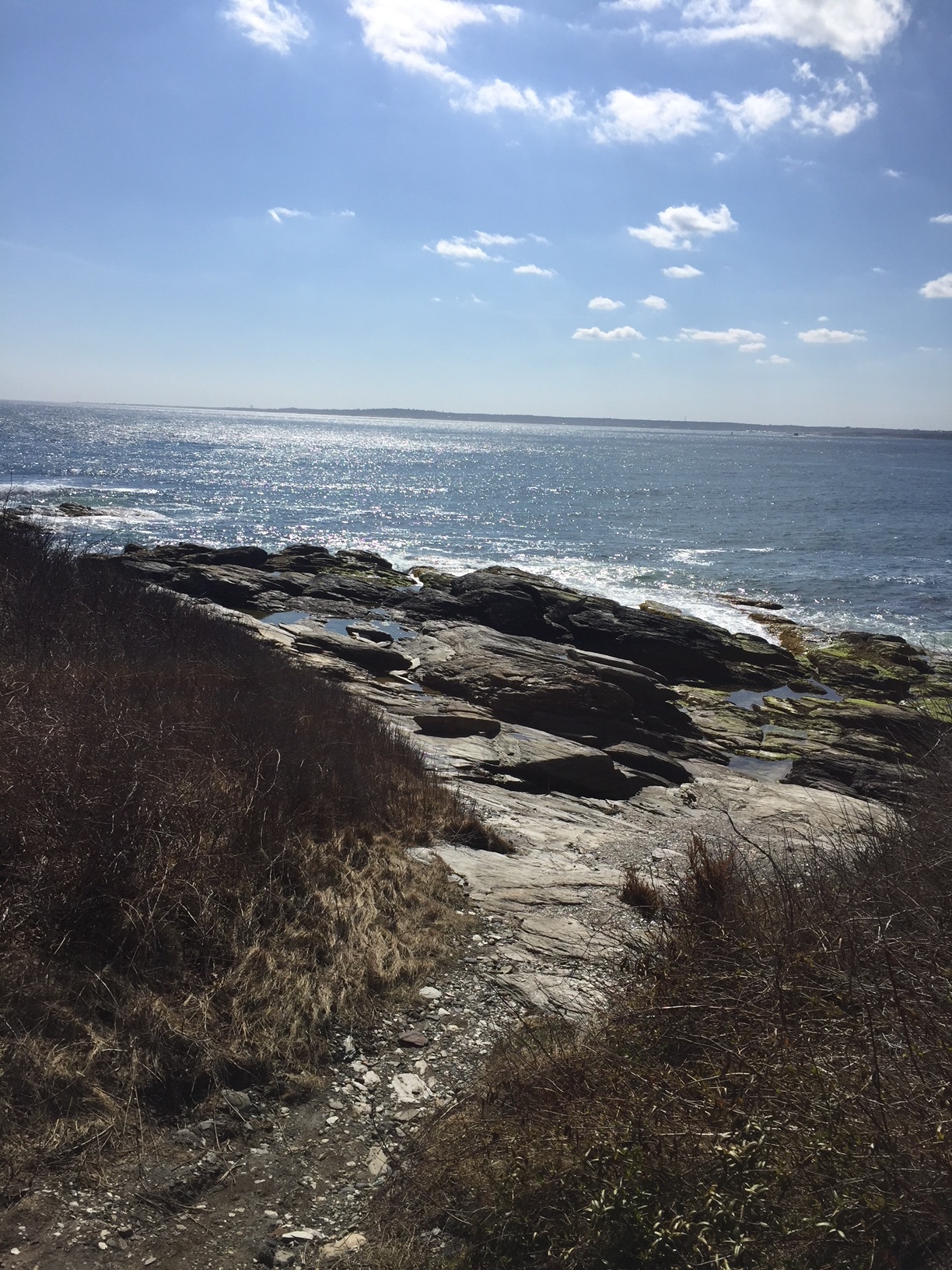
For as far out into the ocean as we could see, the water sparkled and shined. Sunglasses were critical to combating the brilliant light reflecting off the shimmering sea.
Globs of sea foam floated just offshore. Some of it was white. Other froth was tan colored. Sea foam “forms when dissolved organic matter in the ocean is churned up,” or “agitated by wind and waves,” according to a National Ocean Service website.
We strolled past families flying kites, and people fishing, hiking, walking dogs, sightseeing, or otherwise hanging out.
The landscape smelled strongly of sea air. That scent, say scientists, comes from gas produced by bacteria in the ocean.
The windswept cedars atop the ridge, plus the various rock formations, produced a classic-seascape look. Some stones seemed folded. Other boulders appeared chalky white. Here and there we found tidal pools, although we did not explore them. Several times, we stopped to listen to the sound of freshwater trickling down the outcrops toward the sea.
We walked a trail for some 200 feet, stopping where brambles overgrew it. Backing out, we found a sign warning visitors that ticks were abundant in the vegetation. Tick-borne illnesses are a serious public-health threat. It is imperative to avoid tick-infested areas and not to come into contact with the insects.
I was glad that we stayed in the middle of the trail, and that we had turned around instead of trying to navigate the brush. In the future, we will avoid that trail.
As we circled back to the car, the wind stopped. We encountered kite flyers rolling up their strings and folding their kites. We unzipped our jackets in the now-still air and swiftly strong sun.
The surf had also calmed significantly. And while we no longer heard the peepers, given we were on the other side of the park; the sound of a bell buoy remained strong.
On this glorious spring day, that bell was a call to worship the outdoors at Beavertail, which must be one the most-striking panoramas in Southern New England.