


Whitcomb: Newport as Scandal Town; International Inflation; Green Energy Advances
Robert Whitcomb, Columnist
Whitcomb: Newport as Scandal Town; International Inflation; Green Energy Advances

“Just now the lilac is in bloom,
All before my little room;
And in my flower-beds, I think,
Smile the carnation and the pink;
And down the borders, well I know,
The poppy and the pansy blow ...
Oh! there the chestnuts, summer through,
Beside the river make for you
A tunnel of green gloom, and sleep
Deeply above; and green and deep
The stream mysterious glides beneath,
Green as a dream and deep as death.
— Oh, damn! I know it! and I know
How the May fields all golden show,
And when the day is young and sweet,
Gild gloriously the bare feet
That run to bathe ....’’
-- From “The Old Vicarage, Grantchester,’’ by Rupert Brooke (1887-1915). He died while serving in the Royal Navy in World War I and is one of the most famous “war poets” of that conflict. The romanticism, some might call it precious, seems almost comic now to some.
GET THE LATEST BREAKING NEWS HERE -- SIGN UP FOR GOLOCAL FREE DAILY EBLAST
“One with the law is a majority.’’
-- Calvin Coolidge (1872-1933), U.S. president, 1923-1929, having previously served as vice president and Massachusetts governor.
“I don’t want to know what the law is; I want to know who the judge is.’’
-- Roy Cohn (1927-1986), chief counsel to Sen. Joseph McCarthy, prosecutor and famously powerful and corrupt New York City lawyer and mentor to Donald Trump

Then you get into Newport, one of the country’s most interesting cities – dense with class, ethnic, economic, cultural and architectural complexity. Rich, poor, Navy people, current and former spies, engineers, socialites, TV celebrities, etc., etc., and some of the best gossip in the world, enriched with scandals, present and past. Among the most famous:
The late Claus von Bulow’s alleged attempted murder of his late utility heiress wife, Martha “Sunny’’ von Bulow, which led to two sensational trials in the ’80’s (and the movie Reversal of Fortune, a sort of dark comedy) and the late tobacco heiress Doris Duke’s apparent murder of an assistant, Eduardo Tirella, in 1966. Some Newporters connected to the city’s upper crust who knew these characters and those around them still talk about these cases, as I discovered last week at a lunch in the City by the Sea.
xxx
Those maple tree keys all over the ground at this time of year remind me of how we used to stick them on our noses when we were kids. A silly spring ritual. The keys sprout promiscuously.
xxx
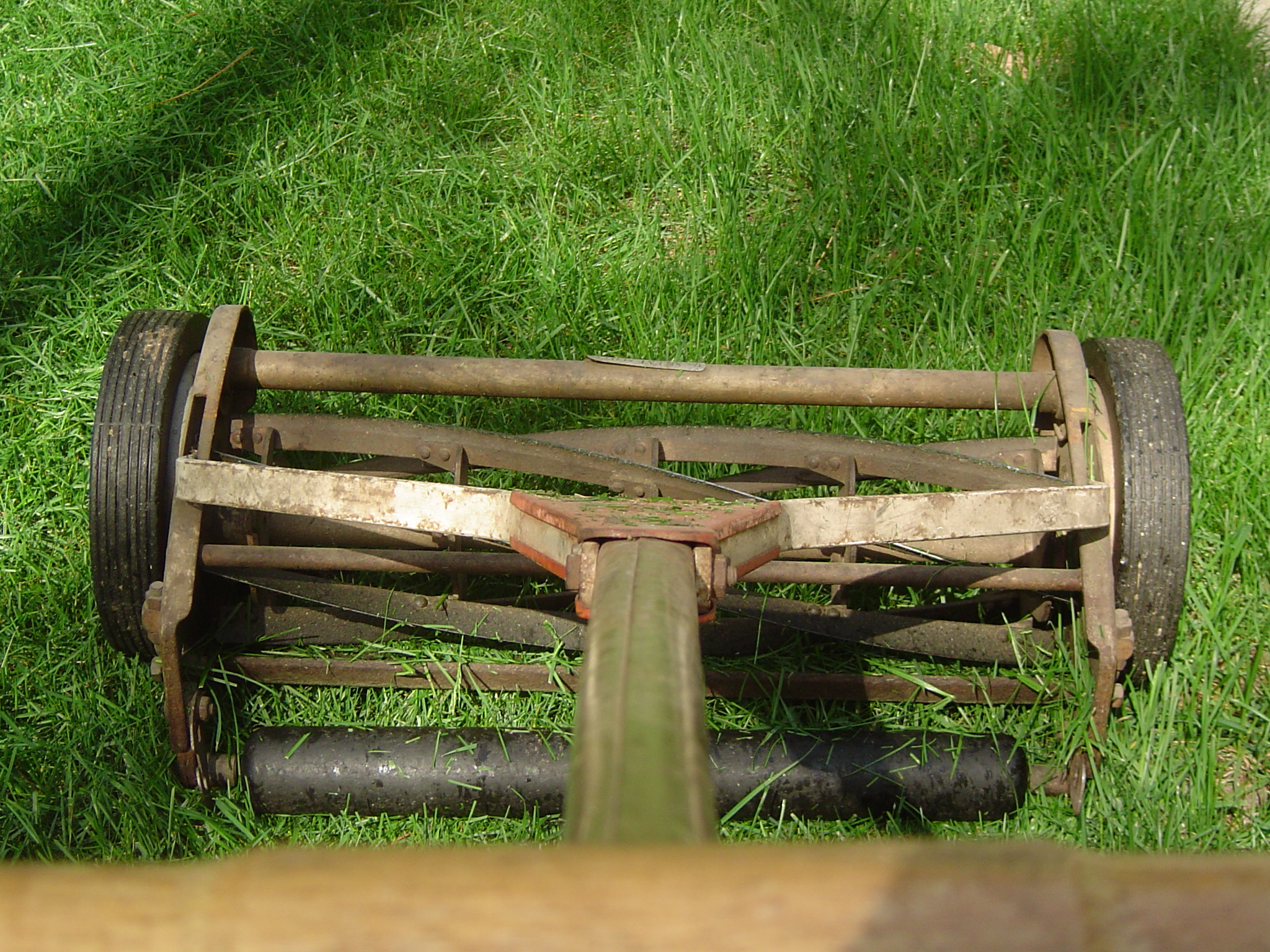
There’s the rich aroma of salt marshes and mud flats, fried clams, balsam (up north), maple syrup, wet leaves in the fall and at this time of year lilacs, freshly cut wet grass mixed with gasoline fumes and fresh asphalt poured into potholes.
xxx
On a beautiful day a couple of weeks ago, my younger daughter and I were strolling in the Cobble Hill section of Brooklyn and she showed me a shop called Boisson that sold nonalcoholic versions of hard liquor – tasting of gin, whiskey, etc. I wonder how many people buy real booze for the taste rather than for effect.
xxx
Last week there were a couple of sunsets with vivid, multicolored clouds that almost seemed to have theological implications. Menacing or comforting, depending on your mood but gorgeous in any case. And free!

Inflation has been surging in America to levels not seen since the first Reagan administration. But it has been jumping pretty much everywhere. The year-to-year gain in March was 8.8 percent for the 38 member nations (which include the U.S.) of the Organization of Economic Cooperation and Development, compared to 8.3 percent year to year in April for the U.S., a slight cooling from March’s 8.5 percent.
The chief culprits: the continuing general demand snap back from the COVID-caused depression and, more recently, the surge in commodities prices, most notably oil and food, some of it related to Putin’s blood-soaked invasion of Ukraine. Extreme -- and irrational -- COVID-suppression efforts in China are also increasingly to blame by worsening already serious international supply-chain problems. In America, last year’s $1.9 trillion American Rescue Plan, meant to stave off recession as COVID continued to rage, added what turned out to be unnecessary stimulus, which boosted inflation. But looking at the rest of the world (which most Americans don’t do), I wonder how much impact it really had.
Now the Fed is trying to tamp down the inflationary surge by raising interest rates. But, given the intrinsically global nature of inflation, that will be very difficult indeed. Demand for oil and gas continues high and Putin’s war is devastating much of the grain crop of Ukraine, one of the world’s biggest grain exporters, thus raising those prices.
There’s anecdotal evidence in the U.S. that some prices may come down soon. In some regions, higher mortgage rates are lessening demand for housing and at least a few folks are driving less because of high gasoline prices. By the way, adjusted for inflation, the real cost of a gallon of gasoline in July 2008 was $5.37 in today's dollars, compared to around $4.50 now.
Can the Fed substantially cool inflation without causing a recession? Probably not, given the world situation. In any case, of course, the expectation of inflation leads to more buying now, which intensifies inflation…. The Fed may need a sledgehammer to kill that expectation.
Meanwhile, some states want to cut sales taxes – always a popular move, and it’s an election year. But that would tend to raise consumer demand – and thus inflation. Consumers for months have been in a buying frenzy, much of it on credit, even as they complain about rising prices. Hereabouts, there’s the politically alluring plan to immediately get rid of the last of Rhode Island’s car tax. But better to use money from the car tax to improve mass transit, expand the number of electric charging stations and other actions to reduce fossil-fuel use and otherwise improve the environment and the state’s long-term economic competitiveness.
xxx
In other vehicular news, it’s nice to see newly paved streets in parts of Providence, whose many potholes have enriched car-repair shops. And crews have even seeded some of the grass strips that had to be torn up at the corners for road work, including creating more curb cuts. Some of these roads had resembled those in the back country of African countries in the rainy season. Thank you!
But will utilities and the city better coordinate road-repair maintenance schedules? Too often we see the spectacle of roads being torn up, patched and then torn up and patched again a few months later for a different utility issue, be it electricity, natural gas or water. Waste and disruption. In Western Europe, they schedule road repairs far better than here.
xxx
Democrats are over-emphasizing abortion rights in this year’s election campaign. Yes, most Americans, within limits, mostly involving the stage of the pregnancy in which the procedure occurs, support abortion rights as protected in Roe v. Wade. But I suspect that more voters are more interested in economic issues, particularly inflation, which the GOP/QAnon will blame on Biden, although presidents can do little about inflation. The Democrats make abortion the central issue of their campaign at their peril.
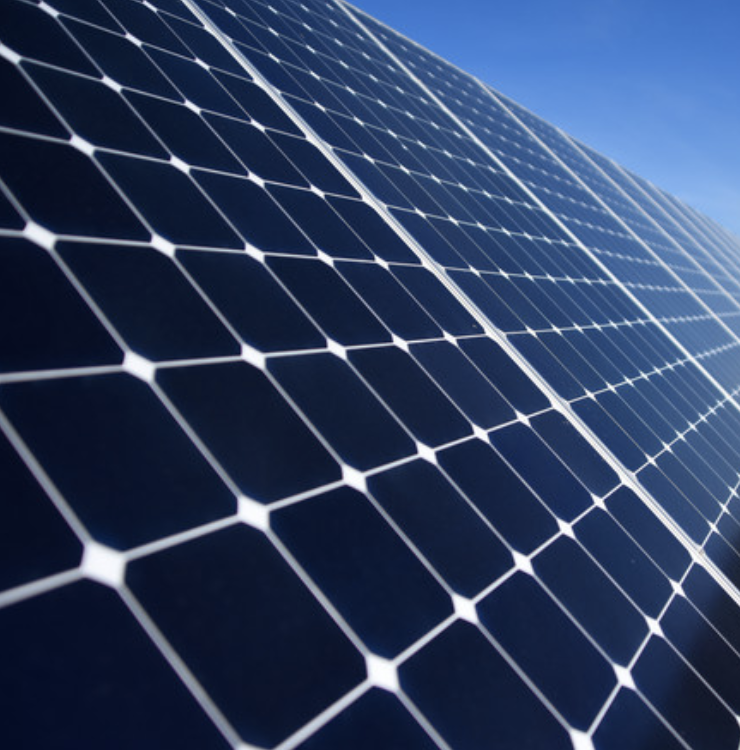
There are some good signs on the energy front, which will affect the energy situation. Consider that the demand for electricity from the New England power grid on May 1 fell to a record low as solar panels and a sunny day provided 4,000 megawatts of power. And operators of the California grid reported a new record, on April 30, of meeting 99.87 percent of demand with renewable energy, beating the previous records of 97.6 percent in early April and 96.4 percent in late March.
Obviously, these brief events are episodic, though they point toward bigger progress ahead.
We’ll be addicted to fossil fuel for a long time to come, but anything that reduces its burning is much appreciated as the world cooks and killer dictators such as Putin use oil and gas revenues to pursue their power obsessions. Please don’t close any more nuclear power plants!
But wait! There’s more, in the form of “renewable natural gas.’’ National Grid explains:
“Renewable natural gas (RNG) is produced from the decomposition of organic matter before it releases greenhouse gases and green hydrogen is generated by renewable energy or from low-carbon power. Hydrogen can be blended with renewable natural gas, up to 20 percent by volume, run through existing gas networks, and be used in customer appliances without significant upgrades to infrastructure or equipment.’’
The organic matter used to produce RNG comes from such sources as municipal solid-waste landfills, digesters at water resource wastewater-treatment plants, livestock farms, food-production facilities and organic waste management operations.
Consider places like Rhode Island’s mountainous Central Landfill as an increasingly important source of electricity.
Never Again, Again
The return to power in The Philippines of the outstandingly corrupt Marcos family in the form of Ferdinand Marcos Jr., commonly called Bongbong (childhood nickname) Marcos, has some lessons. Bongbong was elected by an official landslide (albeit amidst numerous complaints about fraud) to his father’s old job.
It’s a reminder of how little electorates, including in America, review history. It also shows the power of social media to promote crooks via disinformation and heavy-duty whitewashing of history. Bongbong’s campaign, saying it sought national “unity,’’ has done that brilliantly.
A senator from 2010 to 2016, he’s the second child and only son of former president, dictator and kleptocrat Ferdinand Marcos Sr. (1917-1989) and ex-first lady Imelda Romualdez Marcos (born 1929). Bongbong’s father ruled from 1965 to 1986, when a popular uprising forced the sometimes brutal tyrant from power. Joining him in exile was Imelda, probably best known as the fetishist whose 3,000 pairs of shoes were paid for by the citizens of that poor nation.
Of course, most Filipino voters don’t directly remember the abuses of the Marcos regime, during which the family stole as much as $10 billion from their compatriots. And some people suffer from nostalgia -- some of it prenatal! -- for a “strong leader” and resentment that subsequent leaders have been unable to create a more equitable society in that country, where many people live in poverty and there’s a strong tradition of political and business corruption. Further, schools have avoided teaching what happened when Marcos Sr. ruled. And, as in many nations, there’s a strong tradition of dynastic rule in The Philippines.
Filipinos, including many who voted for Marcos Jr., will be sorry they fell for the latest Marcos cons and frustrated when Bongbong’s regime becomes very difficult to remove by democratic means.
But then, corrupt dictatorship has usually been the default form of government.
.jpg)
With the COVID-accelerated move toward total remote work for some and hybrid employment for others (only coming into an office, say, a couple of days a week), I wonder how many fewer people will develop friendships from their work and how that might change anomie-rich American society over time, weakening our frayed social connections even more. Or will it encourage more nonwork-related community building based on home workplaces – next-door neighbors, etc.?