Our Environment: “Humbling Ocean Waves” by Scott Turner
Scott Turner, Environmental Columnist
Our Environment: “Humbling Ocean Waves” by Scott Turner
We treat our ocean like they’re liquid landfills. We overfish, pollute, toxify and trash them. Yet, the tides keep coming and going, and we adjust to them.
Such was the case on two recent beach trips. Our first escape was to Old Garden Beach in Rockport, MA, where the incoming tide nudged us back to the great seawall at the rear of the strand.
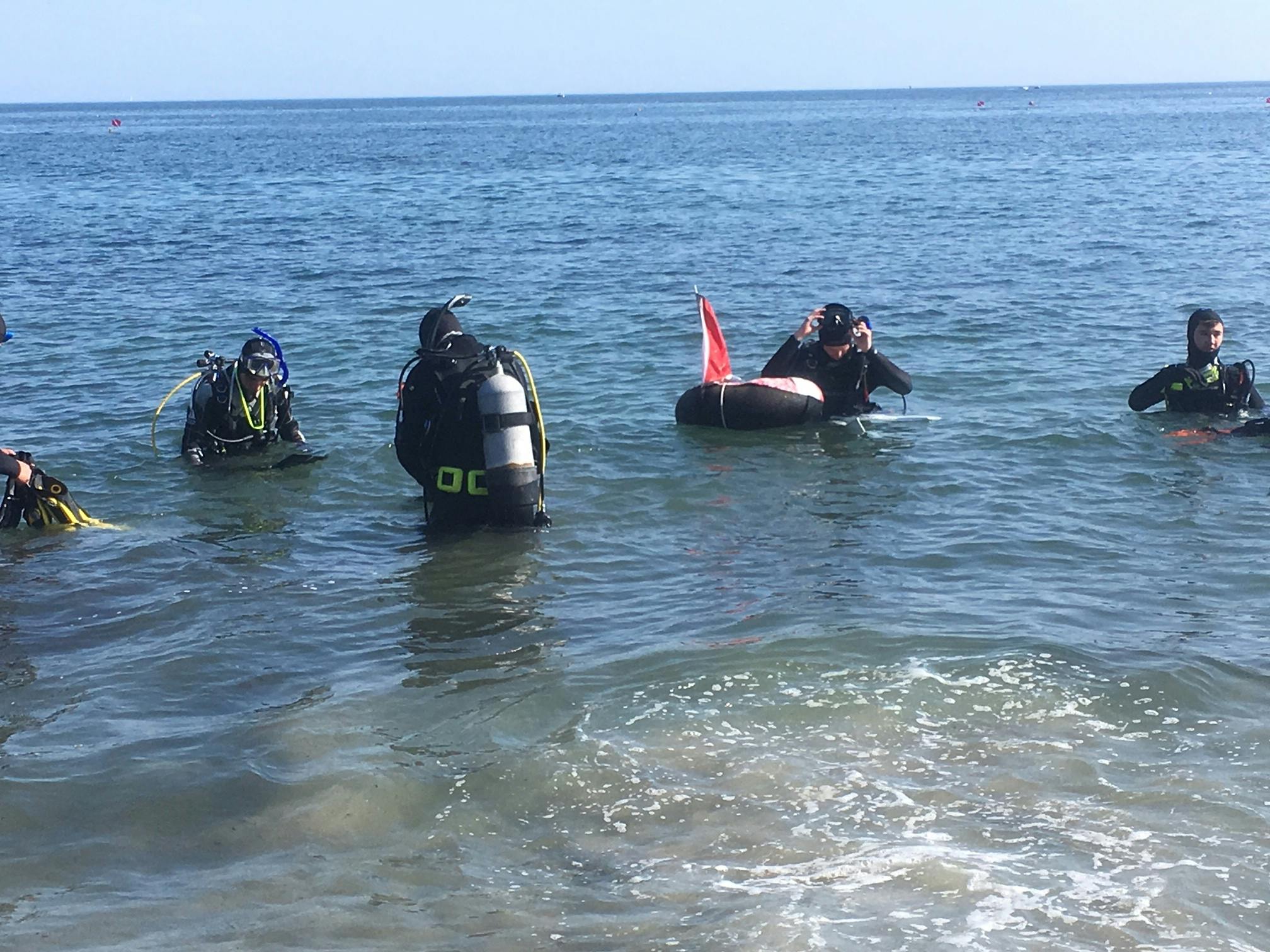
GET THE LATEST BREAKING NEWS HERE -- SIGN UP FOR GOLOCAL FREE DAILY EBLASTOld Garden Beach is along Sandy Bay. Because the floor of the bay is covered in rocky reefs, the site is a favorite for divers.
We watched a few divers submerge into the depths. When they emerged some 45 minutes later, we asked what they saw. “Tons” of crabs, lobsters and other crustaceans, as well as several species of seaweed, they said.
At a depth of 30 feet, the visibility was 10-15 feet and “fairly” clear, said one fellow, who added that the ocean bottom featured “multiple orange-and-white crabs the size of dinner plates.”
Two types of fish were also noted. One was striped bass. The other was rock gunnel, an eel-like species up to a foot long.
Although oceans are in serious trouble, there are some success stories in our seas. For example, while waiting for the divers to reappear, we shared the incoming tide with a family—one female and four young—of the sea duck known as Common Eider.
When Europeans first arrived in what is now Massachusetts, Common Eider was a common coastal breeder. But by 1900, hunting of the species, and the collecting of its eggs and feathers had changed its status to that of uncommon winter resident.
With protection, the numbers of Common Eider rebounded. Today the bird is a somewhat regular breeder along the Massachusetts coast.
As the tide rolled in, so did the eiders, diving in shallow water only 50 feet away from where we stood. The young, by the way, made the most amazing sound, like an electronic doodling that was easily audible and quite entertaining to hear.
Our second trip was to Goosewing Beach in Little Compton. We got there before 9 a.m. on weekend morning, spending six hours in the natural air conditioning.
Goosewing is a property of the Nature Conservancy, and home to managed breeding populations of the “globally-rare Piping Plover and state-threatened Least Tern.” The plovers were done nesting for the year, but a steady flow of terns shuttled between fenced dunes and the sea.
To give breeding birds space, we never put our blanket down near a fence in spring and summer. But that day, the incoming tide pushed us back repeatedly until we were within 20 feet of the wire structure.
Of course, what comes in, goes out. By early afternoon we’d snuck down toward the water. I felt like a shorebird that retreats from an incoming wave only to turn and follow it back out.
We may cook our oceans, but they keep us cool, sustain us and let us know which of us is in charge.
Sitting beside the sea suggested to us a saying at least 10-centuries old: “Time and tide wait for no man.”