


Raimondo Backs Off Testing Goal of 20,000 Per Day As RI’s Testing Dramatically Decreases
GoLocalProv News Team
Raimondo Backs Off Testing Goal of 20,000 Per Day As RI’s Testing Dramatically Decreases
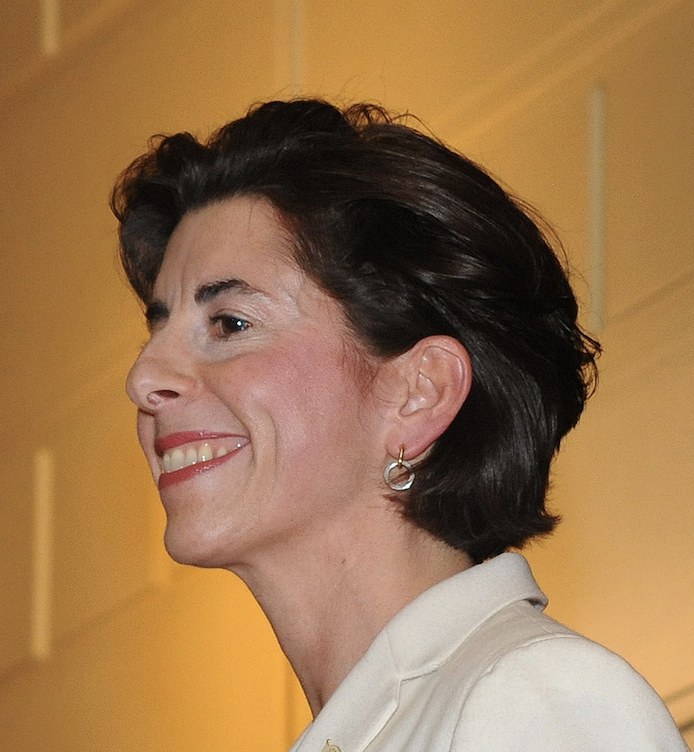
On May 6, Raimondo outlined her plan to increase testing. In the first month of coronavirus cases in the state, Rhode Island had struggled to test over 200 people a day. By early May, the state did not test even 2,000 a day — but Raimondo said that the state was averaging 2,700 a day, and wanted to get to 20,000 a day by the fall.
“We’ve averaged 2,700 [tests] a day but we tend to have a dip on the weekends. We’ve already tested more than 80,000 Rhode Islanders,” said Raimondo in May. “I’d like to see us at 10,000 a day by July. And then we want to get to 20,000 a day…by end of September.”
GET THE LATEST BREAKING NEWS HERE -- SIGN UP FOR GOLOCAL FREE DAILY EBLASTSTAY AHEAD: SIGN UP FOR GOLOCAL'S FREE DAILY EMAIL HERE
Raimondo said she wants to ‘figure out who’s sick and get ahead of hotspots — and pinpoint our reaction so I never again have to say the whole state is shut down.”
“We need to have rapid, reliable, testing for everyone who has symptoms. Between the time you don’t feel well and call your doctor, we went to make sure in 48 hours you can get tested and get results,” said Raimondo.
In June, testing climbed to a weekday daily average of more than 4,000 per day, but now testing is falling. On Tuesday, the Department of Health reported the previous day saw just 1,911 tests completed.
While other states are ramping up testing. Rhode Island continues to decrease the testing and with the closure of the CVS facility at Twin River, there is limited access to drive up testing.

Due to the dramatic increase in testing in states like Florida, Texas, Arizona, and California, there is more demand on the national testing labs like Quest used by CVS.
GoLocal published the experience of Elliot Truslow who went to a CVS drugstore on June 15 in Tucson, Arizona, to get tested for the coronavirus. The drive-thru nasal swab test took less than 15 minutes. More than 22 days later, the University of Arizona graduate student was still waiting for results. Truslow was initially told it would take two to four days. Then CVS said five or six days. On the sixth day, the pharmacy estimated it would take 10 days.
“This is outrageous,” said Truslow, 30, who has been quarantining at home since attending a large rally at the school to demonstrate support of Black Lives Matter. Truslow has never had any symptoms. At this point, the test findings hardly matter anymore, as first reported by Kaiser Health News.
"We've actually been seeing this already in Rhode Island, where the reporting on lab tests on testing is slower because of the drain of work from the southeast and southwest labs, which are overflowing with work and it means the non-rapid tests are going to take longer to get back," said former Rhode Island Health Director Dr. Michael Fine on GoLocal LIVE.
The Raimondo press office now says, "As we’ve learned more about this virus, our approach to testing has evolved. As the Governor said a few weeks ago, we are focused on testing smarter, not just harder. That’s why we launched our asymptomatic testing program to ensure that we have a robust early warning system in place to detect potential outbreaks in our most at-risk groups, particularly close-contact workers. We currently have the capacity to run more than 5,000 tests per day and every single person in Rhode Island with symptoms can quickly get tested."
On Tuesday, the Rhode Island Department of Health reported an increase in the number of cases to 102 -- more than a 300% increase in cases since the July 3 low of 23 cases.
Rhode Island has now reported 985 fatalities, the 5th highest number of death per 100,000 residents in the U.S.