


24% of Downtown Providence Is Parking — Is that Good or Bad
GoLocalProv News Team
24% of Downtown Providence Is Parking — Is that Good or Bad
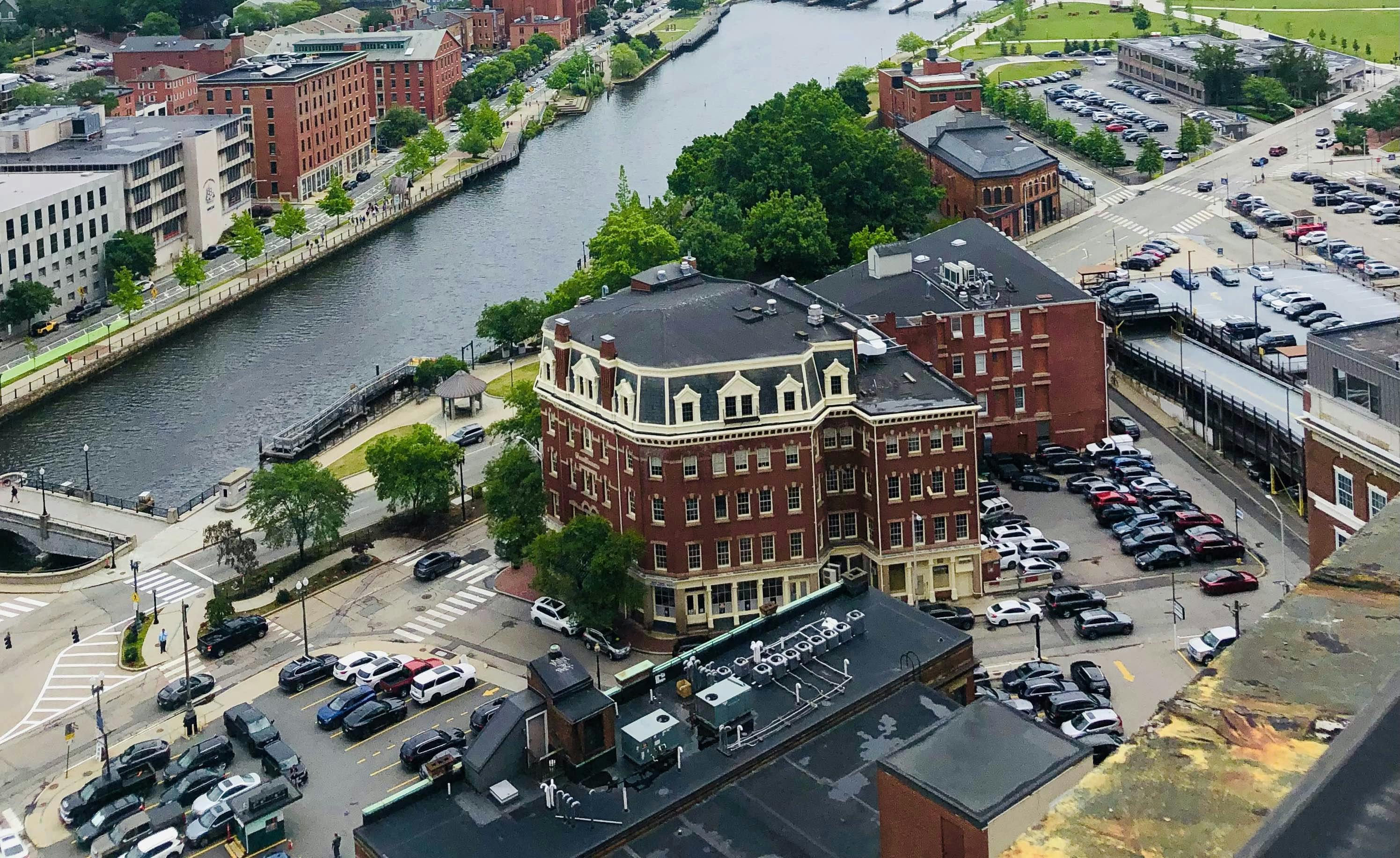
Newly released data shows that 24% of Providence’s downtown is dedicated to parking.
GET THE LATEST BREAKING NEWS HERE -- SIGN UP FOR GOLOCAL FREE DAILY EBLAST“We are analyzing all cities over 300,000 and for cities over a metro area of more than 1 million,” said Thomas Carpenito, the project manager for the not-for-profit organization Parking Reform Network in a phone interview with GoLocal.
“Cities with more parking tend to have less walkability. The only way for downtown cities to compete with suburban shopping areas is to do what they do best — have density and be walkable,” said Carpenito.
His organization sees this issue as one of quality of life and a critical issue tied to climate change.
Transportation, parking, and walkability are just some of the challenges cities across the country are facing.
Issues like housing costs, crime, and homelessness are challenges that have grown in complexity due to changes that occurred during COVID.
Downtown Providence is facing post-pandemic challenges, but appears to be doing better than some high-profile cities like San Francisco, CA; New York City, and Portland, OR.

Some Downtowns Are Struggling
In a recent feature, the Wall Street Journal looked at San Francisco’s downtown struggles and safety issues.
“Downtown San Francisco thrived during the 2010s in large part because of the growth of the tech industry. But those employees easily transitioned to remote work during the pandemic and the majority never came back to the office full time. Under pressure to cut costs last year, tech giants like Meta Platforms and Salesforce laid off workers and cut their real estate footprints in the city. Floors of many downtown office towers now sit empty,” writes the WSJ.
“I don’t feel safe, there are so many vagrants walking around and there is garbage everywhere,” said 63-year-old Sandra Brealey, a longtime [San Francisco] resident who used to go downtown regularly, but has largely stopped over the past five years told the Wall Street Journal.
Her statement is a comment being said about many downtowns across America.
But in a recent MINDSETTER™ column in GoLocal, Kristen Adamo of the Providence-Warwick Convention and Visitor's Bureau wrote Providence is better positioned for recovery.
"Our downtown has the same issues that my colleagues in cities across the United States are facing. All cities struggle to compassionately care for people experiencing homelessness and substance abuse problems. Many cities are working to correctly balance the need for transportation alternatives, such as bike lanes or urban trails, with a car-centric workforce," Adamo wrote.
She added, "However, our downtown is ripe with opportunity. The City of Providence, our arts and cultural community, and other groups have developed a slate of fun activities and events for summer and fall. New residential projects will allow more people to live in the heart of the city. The Downtown Providence Parks Network and the City of Providence are promoting and programming green space all over Providence’s core. The Downtown Improvement District – our clean and safe team – has lengthened its daily hours of service."

How Did Providence Do on the “Parking Score”?
The new numbers come from the Parking Reform Network, which ranked about 100 cities.
According to the group, the lower the parking score, the better.
Top-ranked is New York City — its parking score is a 5, with just 1% of the central city being dedicated to parking.
Providence scored a 50 — slightly better than average. It is "better" than a peer-sized city like Worcester which scored a 78 and has 35% of downtown used for parking.
The poorest-scoring city in America is San Bernardino, CA with a score of 100.
Carpenito said Providence's score reflects the city having a functional public transportation system. He said, according to their data, 17% of those traveling to downtown use public transportation.
“Public Transportation enables Urban Density: What makes a great city? For many, one key component is walkability, which is becoming increasingly scarce in the United States. Over the past century, cities have increasingly relied on cars for transportation, leading to the implementation of minimum parking requirements mandating that all new developments have abundant free parking,” says the Parking Reform Network. “As a result, our cities became covered in a sea of parking spaces, parking lots, and parking structures. With all this parking, little land was left for anything else, making housing more expensive, less dense, and farther apart.”
Providence’s data:
Parking: 24% of central city
Parking score: 46
Parking reform: implemented
City type: core city
Population: 190,934
Metro population: 1,676,579
Reform Needed
Carpenito said that city’s can improve their quality and their score by removing of reforming “parking requirements” laws and ordinances that require apartments to provide parking rather than to encourage walking and public transportation.
The organization is committed to educate “the public about the impact of parking policy on climate change, equity, housing, and traffic. In partnership with allied organizations, we accelerate the adoption of critical parking reforms through research, coalition-building, and direct advocacy.”
