Gov. McKee Could Leave Rhode Island Far Behind - Landekic
Nick Landekic, Guest MINDSETTER™
Gov. McKee Could Leave Rhode Island Far Behind - Landekic
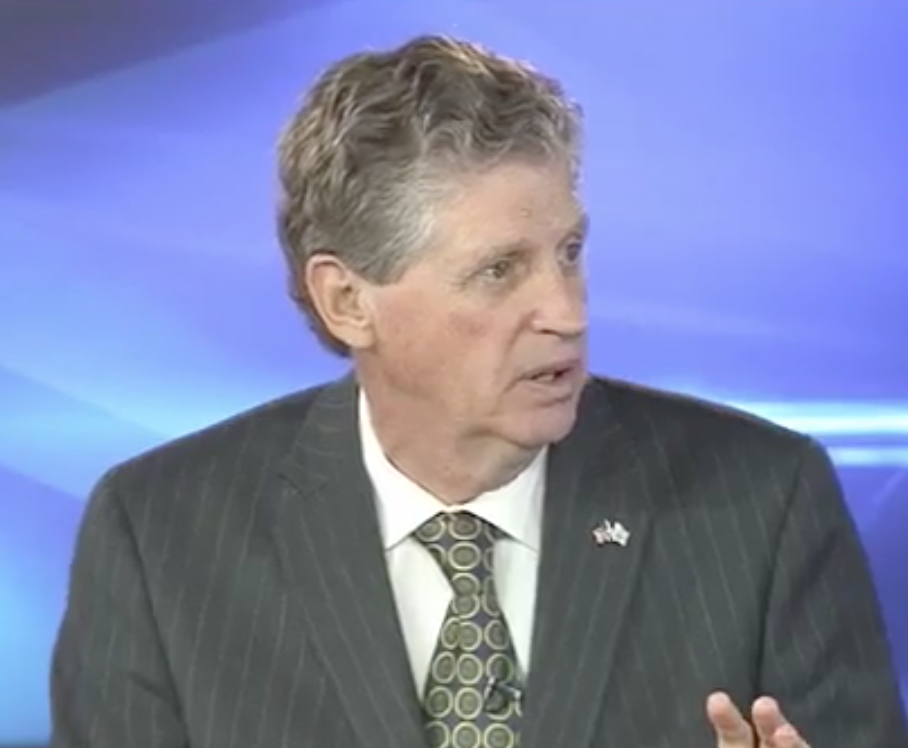
Governor Dan McKeeWe are all sick and tired of COVID, hearing about COVID, and having to worry about COVID. We just want it all to stop, and for life to go back to normal, the way things were before the pandemic. Many people are celebrating the ‘end of the pandemic’, dining indoors at restaurants, booking plane travel, leaving masks at home, and otherwise returning to life as it was in 2019.
Not. So. Fast.
While the news for the country as a whole has been good in recent weeks, Rhode Island is largely behind in containing the pandemic. It’s too soon to declare victory here, and if newly appointed Governor McKee isn’t either very careful or very lucky, we could be headed for trouble.
The level of COVID infections in Rhode Island is still dangerously high. While down from the horrific rates of January, we are still experiencing around 370 new cases per day, a rate of 35/100,000. This is about the same as it was at the height of the surge last Spring when we hit 390 new cases per day on April, 37/100,000.
Last April that level of infections was correctly considered a major public health crisis, with appropriate containment measures implemented. Now, the same infection rate is seen as a reason to essentially remove most safety measures. Restaurants are allowed to seat at 75% of capacity, bars are reopened, and gyms and other indoor public places back in business as well.
What has changed in a year? People have become more impatient – including our new Governor – and the virus has become riskier with the rise of variants that are more easily spread, more lethal, and increasingly resistant to vaccines and treatments.
The Governor seems to be satisfied with the current infection rate in Rhode Island. McKee became Governor on March 2. On that day the infection rate was 34.3/100,000. Following Governor Raimondo’s reopening of bars on February 12, Gov. McKee poured gasoline on the fires and just days after being appointed increased restaurant indoor dining capacity to 66%, and loosened restrictions on gyms and funeral homes. This was followed two weeks later by additional relaxation of safety measures effective today increasing restaurant indoor capacity to 75% and allowing bars to stay open until midnight.
We’ve seen this movie before, and it didn’t turn out well.
This should all make the coronavirus very happy.
Consider what this could mean: assuming the best case that the infection rate is plateauing and not actually increasing (which it may well be), a rate of 370 new cases a day would mean roughly 125,000 new COVID cases, 2,500 deaths, and tens of thousands of new cases of long COVID over the next year – about what we have endured over the past year.
This would imply that about 12% of Rhode Islanders could become infected over the coming year. Given recent surveys that suggest around 25% of people will refuse to be vaccinated, this policy could leave a sizeable portion of our population as a reservoir for the virus to continue to propagate and mutate, and create a persistent ‘infected class’ – as well as risk turning Rhode Island into a long term hot spot and cesspool of contagion.
It’s hard to see how that would be a draw for tourists or help the state’s economy.
This would be a catastrophic public health calamity by any assessment, and it’s inconceivable how anyone could be happy with this.
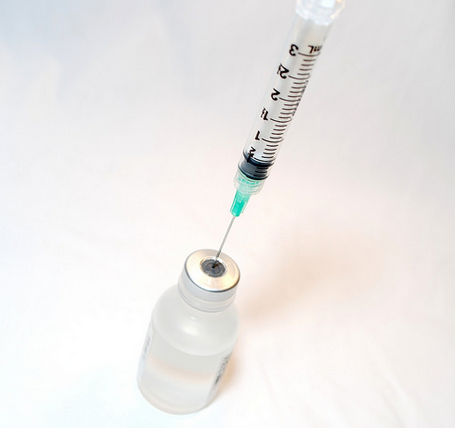
RI ranks 5th now for 1st doses, but only 37th for fully vaccinatedIt seems our leaders are hoping to vaccinate our way out of the pandemic. The vaccines are vitally important to reducing illness and saving lives, and Rhode Island has come a long way in recent weeks to increase the pace of vaccinations. From being last in the nation just a few weeks ago, we are now 5th for first vaccinations, though 37th for fully vaccinated.
As much progress as Rhode Island has made with vaccinations, if this is to be the state’s primary weapon in the pandemic it will have to do better. We are in a race against time: it’s vaccinations vs. variants. The variants are not coming. They are here. This week, Dr. Nicole Alexander-Scott reported that the state is seeing “more and more” of the variants, with 12 out of the last 85 positive COVID cases undergoing genomic sequencing being the B.1.1.7 mutation.
3. Think about the risks of being indoors with unmasked people.
When the Governor decides to reopen bars or allow indoor dining in restaurants, many people will go under the assumption that it must be safe to do so, otherwise, why would it be allowed?